A cat coughing fit can be alarming for any pet owner. Watching your cat suddenly crouch low, stretch its neck, and produce repeated coughing sounds often raises immediate concern. While occasional coughing may not always indicate a serious problem, frequent or severe episodes can signal underlying health issues that require attention.
In this comprehensive guide, we will explore everything you need to know about a cat coughing fit, including causes, symptoms, diagnosis, treatment, prevention strategies, and real veterinary-backed statistics.
What Is a Cat Coughing Fit?
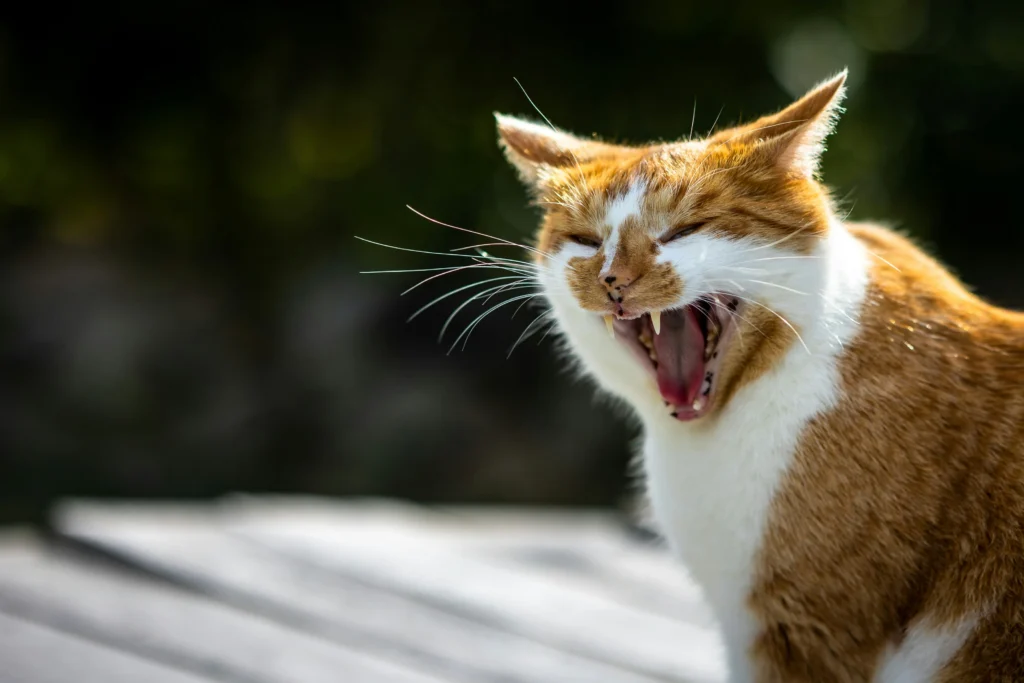
A cat coughing refers to repeated episodes of coughing that may occur suddenly and last for several seconds to minutes. Unlike occasional coughing, a coughing fit involves continuous or intense coughing spells.
According to veterinary literature, coughing in cats is a protective reflex that helps clear irritants, mucus, or foreign particles from the respiratory tract.
These episodes can sometimes be confused with:
Hairball expulsion
Gagging or retching
Reverse sneezing
However, a true cat coughing fit typically involves a hacking sound without producing a hairball.
Common Causes of a Cat Coughing Fit
Understanding the causes of a cat coughing fit is essential for proper treatment. Coughing is not a disease itself but a symptom of an underlying condition.
Respiratory Infections
These may include:
Viral infections (e.g., feline Calicivirus)
Bacterial infections such as Bordetella bronchiseptica
Studies show that Bordetella bronchiseptica was found in about 11% of sampled cats, particularly in multi-cat environments.
Feline Asthma
Feline asthma is a chronic condition that often causes repeated cat coughing episodes.
A clinical study found that:
26 out of 29 cats with asthma showed recurrent coughing
Many also had breathing difficulties
Allergies and Environmental Irritants
Cats are sensitive to airborne irritants such as:
Dust, Smoke, Perfumes, Cleaning chemicals.
These irritants can inflame airways, triggering a cat coughing fit.
Parasites (Heartworm or Lungworm)
Parasitic infections can cause respiratory distress and coughing.
Foreign Objects
Inhaled objects like grass or dust particles can irritate the airway, leading to coughing fits.
Heart Disease
Though less common in cats than dogs, heart disease can sometimes contribute to coughing.
Cancer or Tumors
In rare cases, tumors in the lungs or chest cavity may trigger persistent coughing fits.
Statistical Overview of Cat Coughing Fit Causes
Below is a summarized table based on veterinary literature and clinical studies?
| Cause of Cat Coughing Fit | Estimated Prevalence (%) | Notes |
| Respiratory infections | 25–40% | Includes viral & bacterial causes |
| Feline asthma | 10–20% | Chronic and recurring condition |
| Parasites | 5–15% | Heartworm & lungworm |
| Allergies/Irritants | 15–25% | Environmental triggers |
| Heart-related issues | 5–10% | Less common in cats |
| Tumors/Cancer | <5% | Rare but serious |
Infographic: Cat Coughing Fit Causes Breakdown
Respiratory Infections ████████████████████ 35%
Allergies/Irritants ████████████ 20%
Asthma █████████ 15%
Parasites ██████ 10%
Heart Disease ████ 8%
Tumors ██ 2%
Symptoms Associated with a Cat Coughing Fit
A cat coughing may present with several symptoms, including:
Repeated hacking or wheezing sounds
Stretching neck forward during coughing
Squatting posture
Rapid breathing
Lethargy
Loss of appetite
In severe cases, symptoms may include:
Blue gums (oxygen deficiency)
Blood in mucus
Difficulty breathing
Veterinary experts emphasize that these signs require immediate medical attention.
When Should You Worry About a Cat Coughing Fit?
Not all coughing is dangerous, but you should seek veterinary help if:
Coughing lasts more than a few days
Episodes become frequent or severe
Your cat shows breathing difficulty
There is mucus or blood
Your cat becomes weak or lethargic
Persistent coughing often indicates a more serious issue requiring diagnosis.
Diagnosis of a Cat Coughing Fit
Veterinarians use several methods to diagnose the cause:
Common Diagnostic Tests
Physical examination
Chest X-rays
Blood tests
Airway sampling
Accurate diagnosis is crucial because treatment varies widely depending on the cause.
Treatment Options for a Cat Coughing Fit
Treatment depends on the underlying condition causing the cat coughing fit.
Medications
Antibiotics (for infections)
Anti-inflammatory drugs
Bronchodilators (for asthma)
Antiparasitic medications
Environmental Changes
Removing dust or smoke
Using air purifiers
Avoiding strong fragrances
Long-Term Management
Chronic conditions like asthma may require ongoing treatment and monitoring.
Home Care Tips for Managing a Cat Coughing Fit
Here are practical steps you can take:
Keep your home clean and dust-free
Use low-dust cat litter
Avoid smoking near your cat
Maintain proper humidity levels
Monitor frequency of coughing
Prevention of Cat Coughing Fit
Preventing a cat coughing fit involves proactive care:
Key Preventive Measures
Regular veterinary checkups
Vaccinations against respiratory infections
Parasite prevention
Clean living environment
Real Owner Experiences (Community Insight)
Many cat owners report that coughing fits can appear suddenly and vary in frequency.
These insights highlight how easily a cat coughing fit can be mistaken for other conditions.
Long-Term Outlook for Cats with Coughing Fits
The prognosis depends on the underlying cause:
Mild irritation: Excellent recovery
Infections: Good with treatment
Asthma: Manageable but chronic
Cancer: Variable prognosis
Early diagnosis significantly improves outcomes.
Final Thoughts on Cat Coughing Fit
A cat coughing should never be ignored, especially if it occurs frequently or is accompanied by other symptoms. While some causes are mild, others may require immediate veterinary attention.
Understanding the difference between occasional coughing and a serious condition is key to protecting your cat’s health. By staying informed and proactive, you can ensure your feline companion remains happy and healthy.
FAQs about Cat Coughing Fit
Why does my cat have a coughing fit but act normal?
Your cat may have mild irritation, early asthma, or a hairball issue. However, repeated episodes should still be checked by a vet.
Is a cat coughing fit an emergency?
It can be, especially if accompanied by breathing difficulty, blue gums, or lethargy.
How can I stop my cat’s coughing fit at home?
You can reduce triggers like dust and smoke, but medical treatment may be necessary depending on the cause.
How often is too often for a cat coughing fit?
If it happens more than once a week or persists for several days, consult a veterinarian.
Can hairballs cause a cat coughing fit?
Yes, but if no hairball is produced, it may indicate another issue like asthma.
Do indoor cats get coughing fits?
Yes, indoor cats can develop asthma, allergies, or infections.
What is the most common cause of a cat coughing fit?
Respiratory infections and asthma are among the most common causes.