Introduction
The term “cute cats” has become one of the most searched and beloved topics online and for good reason. From social media to scientific literature, cats have captured human attention for thousands of years. But what exactly makes cute cats so irresistible? Is it just their fluffy appearance, or is there deeper biology and evolution behind it?
Research shows that domestic cats (scientifically known as Felis catus) have coexisted with humans for nearly 9,000-12,000 years, forming a unique bond that continues today.
What Makes Cute Cats So Adorable?
Biological Features of Cute Cats
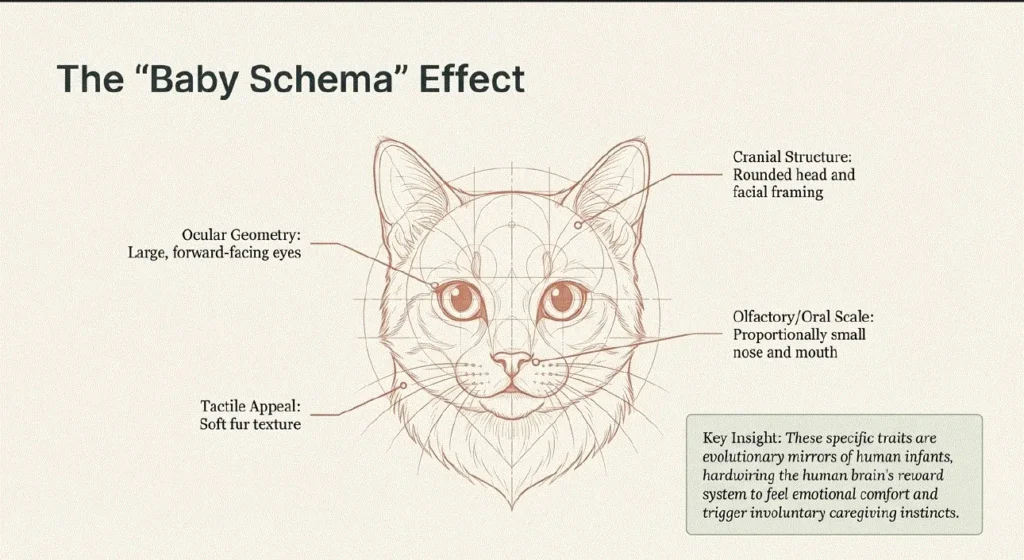
The appeal of cute cat is deeply rooted in biology. Scientists explain that animals with “baby schema” features large eyes, round faces, and soft bodies trigger caregiving instincts in humans.
Key Physical Traits of Cute Cat:
Large, forward-facing eyes
Rounded head and facial structure
Soft fur texture
Small nose and mouth
Playful body movements
These features activate the human brain’s reward system, making cute cats feel emotionally comforting.
Behavioral Traits That Make Cute Cats Lovable
Beyond looks, behavior plays a huge role in why we love cute cat.
Common Cute Cat Behaviors:
Purring (linked to relaxation and bonding)
Kneading (a kitten instinct)
Slow blinking (a sign of trust)
Playful hunting actions
Interestingly, studies suggest that cats retain juvenile behaviors into adulthood, which enhances their cuteness factor.
The Evolution of Cute Cats
How Cute Cat Evolved Alongside Humans
The story of cute cat begins in the Near East, where wildcats were attracted to human settlements due to rodents.
Key Evolutionary Insights:
Domestication began around 12,000 years ago
Cats formed a mutual relationship with humans (rodent control vs. food/shelter)
Unlike dogs, cats largely self-domesticated
Over time, humans favored friendlier and more appealing cats, indirectly selecting traits that contributed to modern cute cats.
Why Cute Cats Look the Way They Do Today
Domestication led to:
Softer facial features
More diverse coat patterns
Increased social tolerance
These changes are part of what scientists call domestication syndrome, where animals become more approachable and visually appealing.
Global Statistics about Cute Cats
Table: Global Cat Population and Trends
| Category | Estimated Data | Source |
| Global cat population | 600+ million (likely underestimated) | Literature review |
| Domestication timeline | 9,000–12,000 years | Genetic studies |
| Average kittens per litter | 1-10 kittens | Population studies |
| Litters per year | 1-3 | Research data |
| Potential offspring (5 years) | 40 kittens per female | Review study |
Infographic: Growth Potential of Cute Cats Population
Female Cat Reproduction Cycle (Research-Based)
| Year 1: 2 litters × 4 kittens = 8 kittens |
| Year 2: 16+ kittens (offspring reproduction begins) |
| Year 5: Up to 40 kittens per single female |
This explains why cute cat are among the most widespread animals globally.
Where Do Cute Cats Live?
Habitats of Cute Cat around the World
One reason cute cat are so common is their adaptability.
Common Environments:
Urban cities
Rural farms
Forest edges
Human households
Urban vs Rural Cute Cats
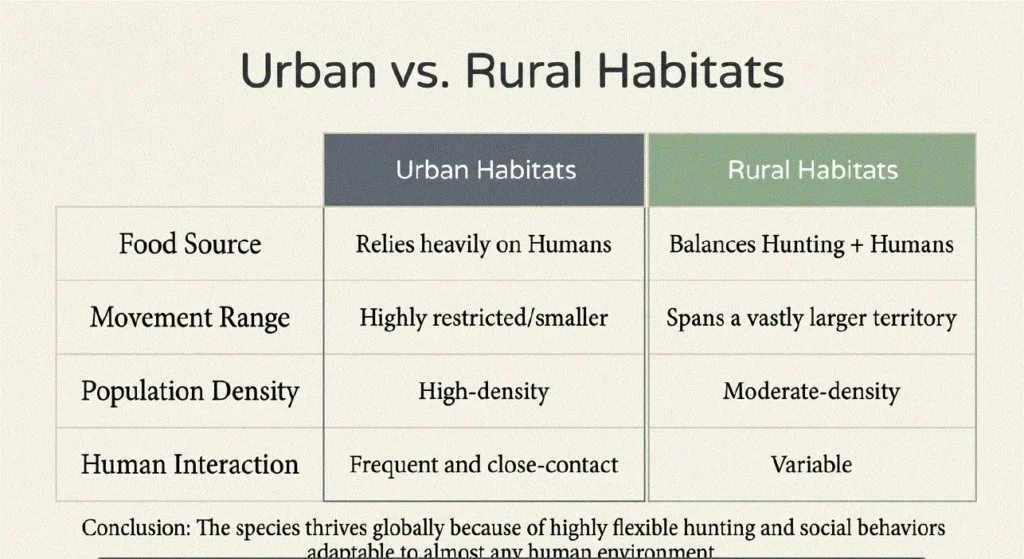
| Feature | Urban Cute Cat | Rural Cute Cat |
| Food Source | Humans | Hunting + humans |
| Movement Range | Smaller | Larger |
| Population Density | High | Moderate |
| Human Interaction | Frequent | Variable |
Research shows cats thrive in both environments due to their flexible hunting and social behaviors.
Why Cute Cats Dominate the Internet
Psychology behind Cute Cat Online
The popularity of cute cat online is not random it’s psychological.
Key Reasons:
Trigger dopamine (feel-good hormone)
Reduce stress and anxiety
Encourage social sharing
Studies indicate that viewing cute animals improves mood and productivity.
Social Media Impact of Cute Cats
Estimated Trends:
Cat videos receive millions of views daily
Influencer cats earn revenue through sponsorships
This digital dominance reinforces the global fascination with cute cats.
Scientific Insights into Cute Cats Behavior
Are Cute Cat Fully Domesticated?
Interestingly, scientists debate whether cats are fully domesticated.
Key Findings:
Cats retain many wild instincts
Most cats choose their mates independently
Many survive without human assistance
This semi-independent nature makes cute cats unique compared to other pets.
Hunting Instincts in Cute Cat
Even the cutest house cat is a skilled predator.
Research Insights:
Cats hunt small animals globally
Their diet includes birds, rodents, and insects
This dual nature cute yet predatory adds to their fascinating appeal.
Health and Emotional Benefits of Cute Cats
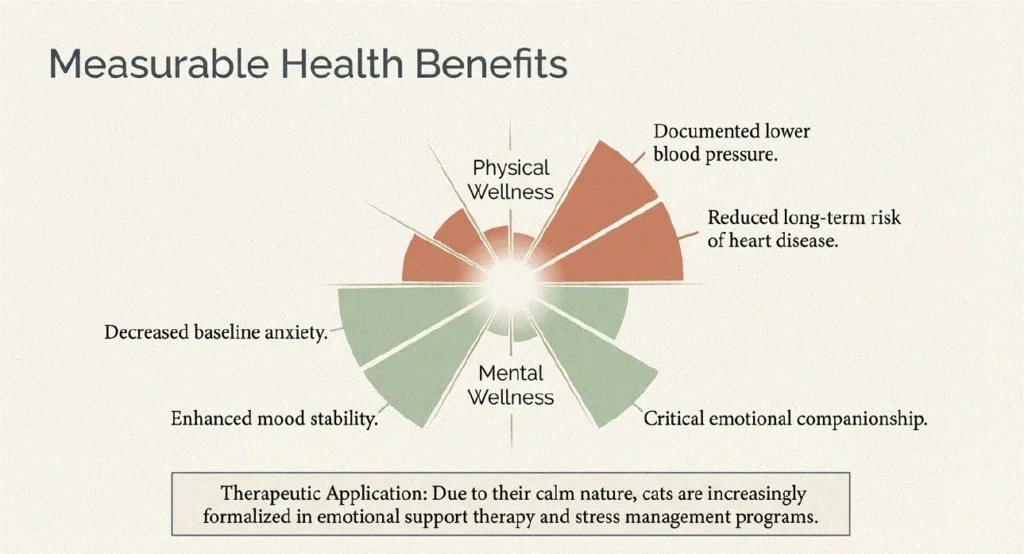
How Cute Cat Improve Human Life
Owning cute cat has measurable benefits:
Physical Benefits:
Lower blood pressure
Reduced risk of heart disease
Mental Benefits:
Reduced anxiety
Improved mood
Emotional companionship
Therapy and Emotional Support
Cats are increasingly used in:
Emotional support therapy
Stress management programs
Their calm and affectionate nature makes cute cats ideal companions.
Popular Breeds Known for Cute Cats Appearance
Top Cute Cat Breeds
Some breeds are especially known for producing cute cats:
Persian Cats (fluffy, round face)
Scottish Fold (folded ears)
Ragdoll (blue eyes, calm nature)
Maine Coon (large, friendly)
These breeds are selectively bred for traits that enhance cuteness.
Challenges Associated with Cute Cats
Overpopulation of Cute Cat
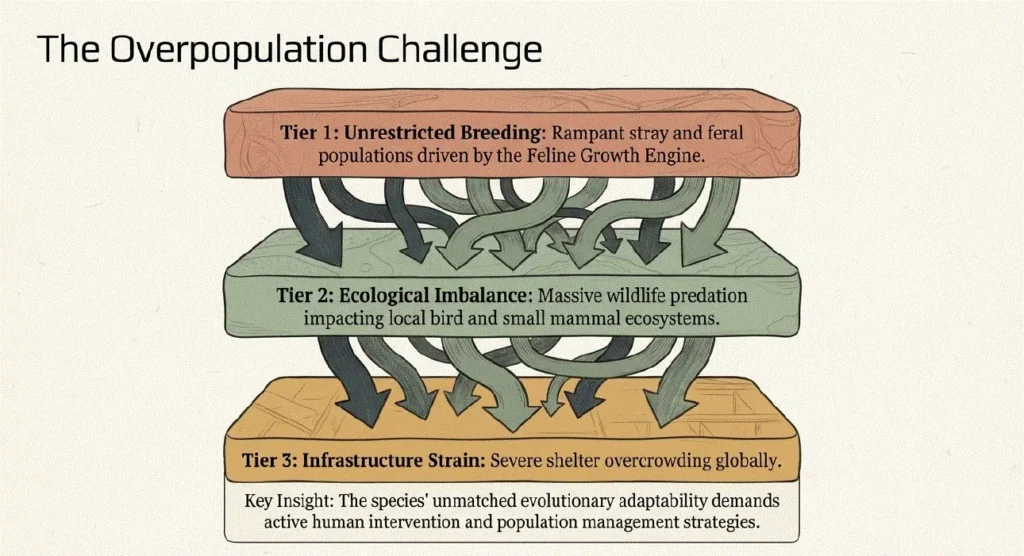
While cute cat are loved worldwide, overpopulation is a serious issue.
Key Concerns:
Stray and feral cat populations
Impact on wildlife
Shelter overcrowding
Research highlights the need for population management strategies.
Environmental Impact of Cute Cat
Cats contribute to:
Wildlife predation
Ecosystem imbalance
Proper management and responsible pet ownership are essential.
How to Take Care of Cute Cat
Basic Care Guide for Cute Cat
Nutrition:
High-protein diet
Clean water supply
Health:
Regular vet checkups
Vaccinations
Environment:
Safe indoor space
Toys and enrichment
Tips to Keep Your Cute Cat Happy
Provide scratching posts
Engage in daily play
Maintain hygiene
Offer affection and attention
Conclusion
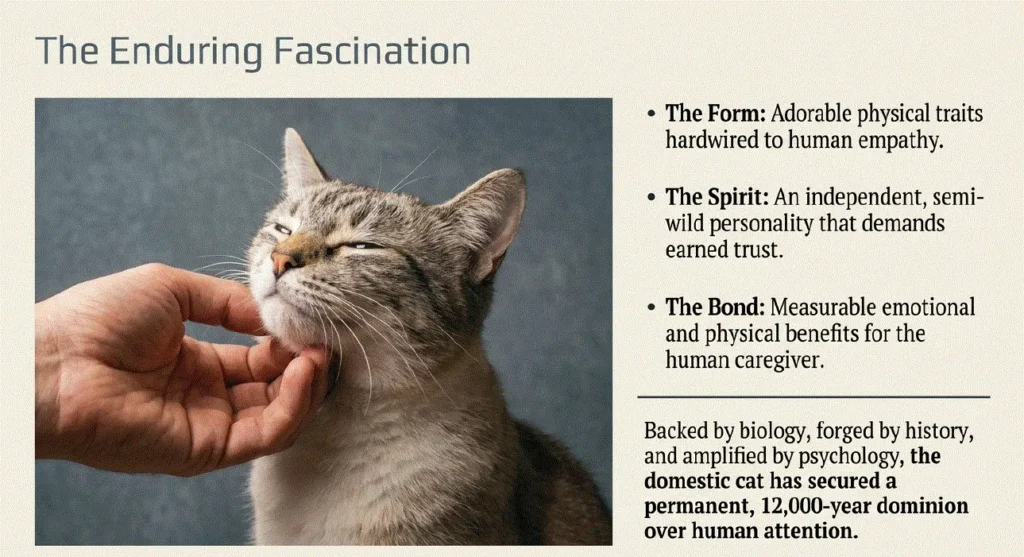
The global fascination with cute cats is backed by science, history, and psychology. From their evolutionary journey to their modern digital dominance, cats continue to charm humans in unique ways.
Their combination of:
Adorable physical traits
Independent personality
Emotional benefits
FAQs about Cute Cats
Why are cute cat so popular?
Because they trigger emotional and psychological responses linked to caregiving and happiness.
Are cute cat naturally friendly?
Many are, but personality varies depending on genetics and environment.
How long do cute cat live?
Typically 12-18 years, depending on care and health.
Do cute cat recognize their owners?
Yes, cats recognize voices, scents, and routines.
Are cute cat good pets for families?
Yes, they are adaptable and relatively low-maintenance.