Finding cats for adoption is the first step toward one of the most rewarding relationships you’ll ever have. But if you’ve started searching online, you already know the process can feel overwhelming. Shelters, rescues, foster networks, online listings. Where do you even begin? This guide cuts through the noise. You’ll learn exactly where to find adoptable cats, how to evaluate your options, what questions to ask, and how to bring your new companion home without the stress.
Quick Answer: The best places to find cats for adoption are local animal shelters, breed-specific rescue groups, and reputable online platforms like Petfinder and Adopt a Pet. Visit shelters in person when possible, ask about medical history and temperament, and prepare your home before you bring a cat back.
Why Adoption Beats Buying From a Breeder
You have options when adding a cat to your family. Pet stores still sell kittens, and breeders advertise purebred cats online. But adoption offers something those routes rarely do: a second chance for an animal that already exists and needs a home.
Animal shelters across the United States take in millions of cats every year. The ASPCA reports that approximately 3.2 million cats enter U.S. shelters annually. Of those, around 2.1 million get adopted. That leaves a significant gap. Many healthy, friendly cats never find homes simply because not enough people choose adoption.
Cost is another factor. A kitten from a breeder can run anywhere from $500 to $3,000 depending on the breed. Adoption fees, by contrast, typically range from $50 to $200. And that fee usually covers vaccinations, spaying or neutering, microchipping, and sometimes even a starter supply kit. You’re getting a cat that’s already been vetted, medically cleared, and assessed for temperament.
There’s also the honesty factor. Shelters and rescues want to match you with the right cat. They’ll tell you if a cat has behavioral quirks, health issues, or specific needs. A breeder’s goal is a sale, which means you might not hear the full story.
Pro Tip: Ask the shelter if the adoption fee includes a follow-up vet visit. Some organizations partner with local veterinarians to offer a free checkup within the first two weeks.
Adoption gives you a cat that’s ready for a home, at a fraction of the cost, with full transparency about what you’re getting. That’s a strong case.
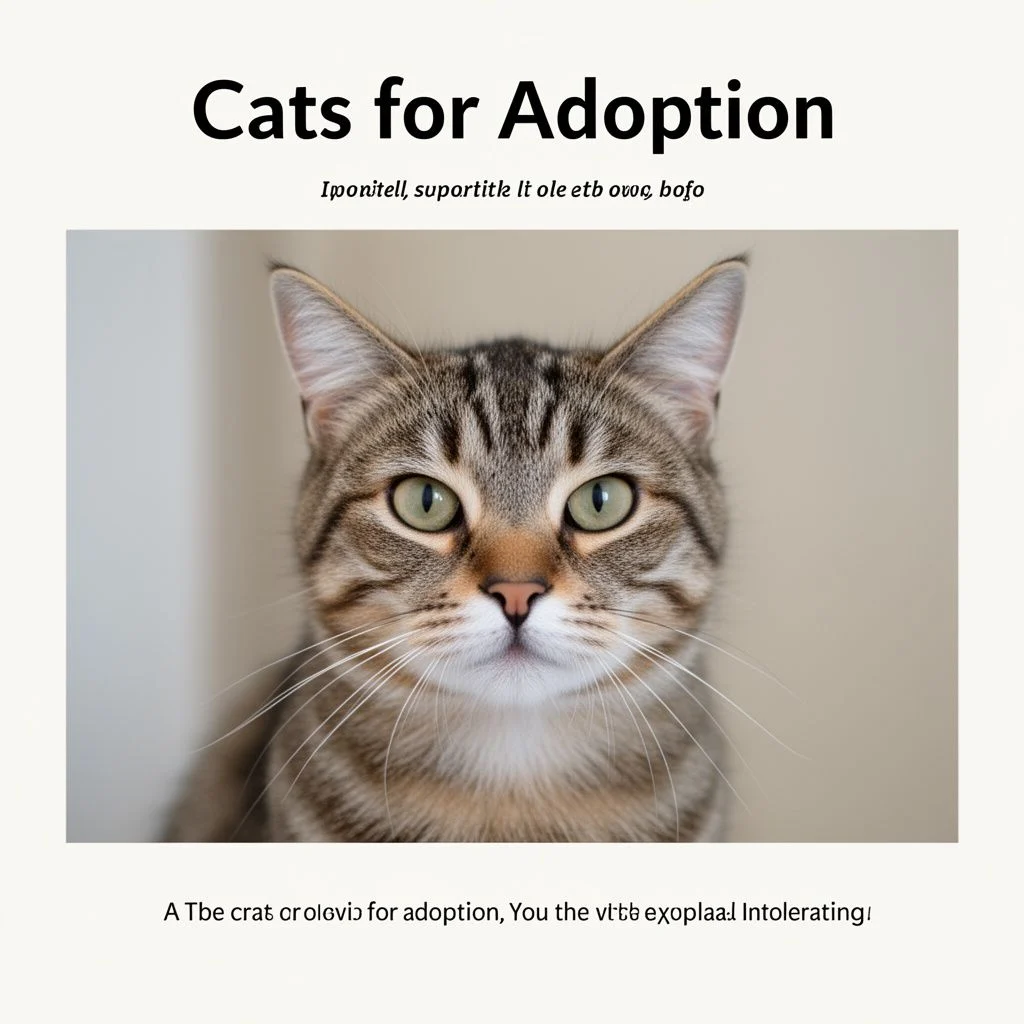
Where to Find Cats for Adoption Near You
You don’t need to drive across the state to find adoptable cats. Start local. Here’s a breakdown of your options, ranked by how likely you are to find a good match quickly.
Local Animal Shelters and Humane Societies
Municipal shelters and humane societies are the most direct route to cats for adoption. These facilities take in stray, surrendered, and rescued animals. The cats are usually already spayed or neutered, vaccinated, and microchipped before they become available.
The downside is volume. Large city shelters can have dozens of cats at any given time, and staff may not know each cat’s full personality. But you’ll find the widest variety of ages, breeds, and temperaments here.
Rescue Groups and Foster Networks
Rescue organizations operate differently from shelters. Instead of housing cats in a central facility, they place cats in foster homes. This means the foster caregiver actually lives with the cat and can tell you detailed information about its personality: how it behaves around other cats, whether it’s shy with strangers, what its energy level looks like at home.
Rescues often specialize. Some focus on senior cats, others on specific breeds, and many on cats with medical needs. If you’re looking for something specific, a rescue is your best bet.
Online Adoption Platforms
Websites like Petfinder, Adopt a Pet, and Petco Love aggregate listings from shelters and rescues across the country. You can filter by location, age, breed, gender, and special needs. These platforms don’t house cats themselves. They connect you with the organization that does.
The advantage is convenience. You can browse dozens of cats for adoption from your couch. The disadvantage is that listings can be outdated. A cat you see online may already be adopted by the time you inquire.
| Source | Cost | Selection | Personality Info | Speed of Adoption |
|---|---|---|---|---|
| Municipal Shelter | $50-$150 | Wide variety | Limited | Same day to 1 week |
| Rescue Group | $100-$200 | Specialized | Detailed from foster | 1-4 weeks |
| Online Platform | Varies by org | Largest reach | Depends on listing | 1-3 weeks |
| Breeder | $500-$3,000 | Purebred only | Limited | Varies |
Pro Tip: Check shelter websites on weekday mornings. Many shelters update their available cat listings after weekend adoptions, so Monday and Tuesday often have the freshest options.
The right source depends on what you’re looking for. Shelters are fastest, rescues offer the most personality insight, and online platforms give you the broadest view.
How to Choose the Right Cat for Your Lifestyle
This is where a lot of well-meaning adopters go wrong. They pick the cat that’s cutest or the kitten that’s most playful, then realize three months later that the cat’s energy level doesn’t match their household.
Kittens vs. Adult Cats vs. Seniors
Kittens are adorable and high-energy. They need playtime, training, and patience. If you work long hours or have young children, a kitten can be a handful. Kittens also do better in pairs, which means double the cost and double the litter box duty.
Adult cats, typically 1 to 7 years old, have established personalities. What you see is what you get. If a shelter tells you an adult cat is calm and affectionate, that’s likely accurate. Adult cats adapt to new homes well and require less supervision.
Senior cats, 8 years and older, are the most overlooked group in shelters. They’re usually the calmest, most affectionate cats available. They sleep more, play less, and just want a warm lap. If you want a low-maintenance companion, a senior cat is often the best choice. Many shelters offer reduced adoption fees for older cats.
Energy Level and Temperament
Ask the shelter staff or foster caregiver direct questions:
- How does this cat behave around strangers?
- Has it lived with other cats, dogs, or children before?
- Is it vocal or quiet?
- Does it like being held, or does it prefer to sit nearby?
- What’s its activity level during the day?
These answers matter more than the cat’s color or breed. A shy cat in a loud household with kids will hide constantly. A high-energy cat in a quiet apartment with no playtime will get destructive.
Special Needs Cats
Some cats for adoption have medical conditions or behavioral challenges. These cats often wait the longest for homes. Conditions like FIV (feline immunodeficiency virus), diabetes, or missing limbs don’t necessarily mean a difficult cat. Many special needs cats live long, happy lives with minimal extra care. If you’re open to it, adopting a special needs cat can be deeply rewarding and usually comes with lower fees.
Pro Tip: Spend at least 20 to 30 minutes with a cat before deciding. Visit the shelter more than once if possible. Cats behave differently on different days, and a second visit gives you a fuller picture.
Choosing the right cat is about matching energy levels and lifestyle, not just picking the prettiest face. The more honest you are about your daily routine, the better your match will be.
The Adoption Process Step by Step
Knowing what to expect removes most of the stress from adopting. Here’s the typical flow, from application to bringing your cat home.
Step 1: Application and Screening
Most shelters and rescues require an application. Expect questions about:
- Your living situation (rent or own, landlord permission)
- Other pets in the home
- Household members and ages
- Your work schedule and time at home
- Your experience with cats
Rescues tend to have longer applications than municipal shelters. Some require home visits or video tours. Don’t take this personally. These organizations have seen too many cats returned, and they’re trying to prevent that.
Step 2: Meeting the Cat
Once your application is approved, you’ll meet the cat. Shelters typically allow walk-in visits. Rescues often arrange a meet-and-greet at the foster home or a neutral location. Bring the whole family if possible. Everyone who will live with the cat should meet it.
Step 3: Adoption Fee and Paperwork
Adoption fees typically cover:
- Spay or neuter surgery
- Core vaccinations
- Microchip and registration
- Flea and deworming treatment
- FIV and FeLV testing
You’ll sign an adoption contract. Read it carefully. Some contracts include clauses about returning the cat to the organization if you can’t keep it. Others require you to keep the cat indoors.
Step 4: Bringing Your Cat Home
The first 72 hours are critical. Set up a quiet room with food, water, a litter box, and a hiding spot. Let the cat decompress. Don’t force interaction. Some cats hide for days. That’s normal.
Keep the cat in one room for the first few days, then gradually expand access to the rest of the home. This prevents overwhelm and helps the cat establish a safe base.
Pro Tip: Bring a blanket or towel to the shelter and rub it on the cat before you leave. Leave that scent item in the carrier on the ride home and in the cat’s new room. Familiar scent reduces stress.
The adoption process can take anywhere from a same-day visit at a municipal shelter to several weeks with a thorough rescue. Patience pays off.
Preparing Your Home for a New Cat
You don’t need to spend a fortune, but you do need the essentials ready before the cat arrives.
Essential Supplies
- Litter box and litter (one box per cat, plus one extra)
- Food and water bowls (stainless steel or ceramic are easiest to clean)
- Cat food (ask the shelter what the cat has been eating and start with that)
- Scratching post or pad
- Carrier (required for transport)
- Bed or blanket
- A few toys (wand toys, balls, and puzzle feeders)
Cat-Proofing Your Space
Cats explore. They climb, jump, and squeeze into tight spaces. Before your cat arrives:
- Secure loose cords and wires
- Remove toxic plants (lilies are deadly to cats)
- Cover or block small openings behind appliances
- Store cleaning supplies and medications in closed cabinets
- Check window screens for security
Introducing Cats to Other Pets
If you already have pets, introductions need to be slow. Keep the new cat in a separate room for at least a week. Let the animals smell each other under the door. Swap bedding between them. After several days, allow brief supervised meetings. Don’t rush this. A bad first impression between cats can take months to undo.
Pro Tip: Feed both cats on opposite sides of the closed door during the first week. They associate each other’s scent with something positive: food.
Preparation is straightforward. A quiet room, the right supplies, and a slow introduction process set your new cat up for success.
Key Takeaways
- Shelters, rescue groups, and online platforms like Petfinder are the three main sources for cats for adoption
- Adoption fees typically range from $50 to $200 and include medical care that would cost hundreds if paid out of pocket
- Match the cat’s energy level and temperament to your lifestyle, not just its appearance
- Spend 20 to 30 minutes with a cat before deciding, and visit more than once if possible
- Set up a quiet room with essentials before the cat arrives, and introduce other pets slowly over at least a week
Frequently Asked Questions About Cats for Adoption
Q: How much does it cost to adopt a cat?
A: Adoption fees typically range from $50 to $200 depending on the organization and the cat’s age. This usually includes spay or neuter surgery, vaccinations, microchipping, and testing for feline diseases. Senior cats and special needs cats often have reduced or waived fees.
Q: What should I bring to the shelter when adopting a cat?
A: Bring a valid photo ID, proof of address if your ID doesn’t match your current residence, and a carrier to transport the cat home. If you rent, bring written landlord permission or your lease agreement showing pets are allowed. Some shelters also ask for your veterinarian’s contact information.
Q: How long does the cat adoption process take?
A: Municipal shelters often allow same-day adoptions if you’re approved on the spot. Rescue groups typically take 1 to 4 weeks due to more thorough applications, reference checks, and sometimes home visits. Online applications can speed up the process if you complete them before visiting.
Q: Are cats from shelters healthy?
A: Most shelter cats receive a veterinary exam, core vaccinations, spay or neuter surgery, and testing for FIV and FeLV before adoption. Some cats arrive with minor issues like upper respiratory infections, which shelters treat and disclose. Always ask for the cat’s full medical records.
Q: What if my new cat hides and won’t eat?
A: Hiding and reduced appetite are normal for the first few days in a new home. Keep the cat in a quiet room with food, water, and a litter box. Don’t force interaction. If the cat hasn’t eaten after 48 hours, contact the shelter or your veterinarian for guidance.
Q: Can I adopt a cat if I already have a dog?
A: Yes, many cats live happily with dogs. Ask the shelter about cats that have previously lived with dogs or been tested with them. Introduce them slowly, keeping the cat in a separate room initially and using scent swapping before any face-to-face meeting.
Q: Do I need to adopt two cats instead of one?
A: For kittens under six months, many shelters and rescues either require or strongly recommend adopting in pairs. Kittens learn bite inhibition and social skills from each other. For adult cats, a single cat is fine if you provide enough attention and enrichment. Some adult cats genuinely prefer being the only pet.
Q: What does it mean when a cat is listed as “bonded pair”?
A: A bonded pair is two cats that have formed a strong attachment and must be adopted together. Separating them causes significant stress. Shelters often reduce the adoption fee for bonded pairs. If you’re open to two cats, bonded pairs are usually already comfortable with each other, which simplifies introductions.
Q: Can I adopt a cat if I live in an apartment?
A: Yes, many cats thrive in apartments. You’ll need to provide vertical space like cat trees and shelves, plus regular playtime since there’s no outdoor access. Check your lease for pet policies and any breed or size restrictions. Some landlords require a pet deposit or monthly pet rent.
Q: What if the adoption doesn’t work out?
A: Most adoption contracts require you to return the cat to the original shelter or rescue if you can’t keep it. This protects the cat from being abandoned or given to an unverified home. Contact the organization before making any rehoming decisions. Many offer behavioral support to help resolve issues before you reach that point.
References & Further Reading
- ASPCA: Pet Statistics – National data on shelter intake and adoption rates
- The Humane Society of the United States: Adopting a Cat – Guidance on the adoption process and preparation
- Petfinder: Cat Adoption Guide – Searchable database of adoptable cats and adoption resources
- American Veterinary Medical Association: Selecting a Pet Cat – Veterinary guidance on choosing the right cat for your household
—
About This Article
This guide draws on established adoption practices from national animal welfare organizations and veterinary guidance. The information reflects standard procedures at U.S. shelters and rescue groups, though individual organizations may differ in their specific requirements. Always confirm details directly with the shelter or rescue you’re working with.