Causes, Symptoms, Treatment, and When to Worry
Cat having coughing fits is a condition that many pet owners notice but often misunderstand. Unlike occasional hairballs, repeated coughing episodes in cats may signal an underlying health issue such as respiratory infection, asthma, allergies, or even heart disease.
Veterinary literature highlights that persistent coughing in cats should never be ignored because it can indicate serious medical conditions.
Cats usually hide their illness very well, which means when a cat having coughing fits becomes noticeable; the problem may already have progressed. Understanding the causes, symptoms, and treatment options can help pet owners respond quickly and protect their feline companion’s health.
Understanding Why a Cat Having Coughing Fits Is Concerning
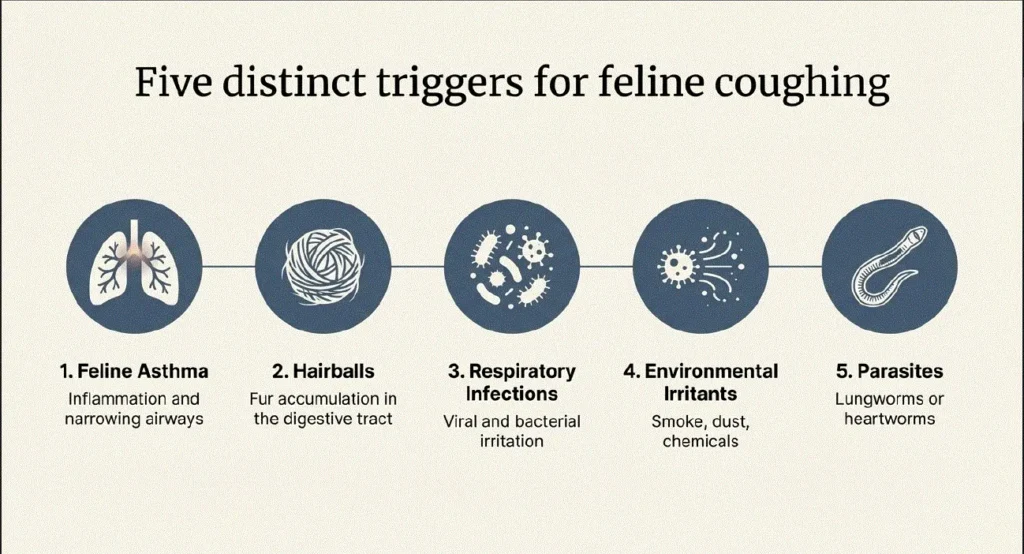
When a cat having coughing fits repeatedly occurs, it means the respiratory system is irritated or inflamed. According to veterinary respiratory studies published in journals such as the Journal of Feline Medicine and Surgery, coughing in cats is commonly linked to airway diseases or infections.
Unlike dogs, cats rarely cough without a reason. Therefore, consistent coughing episodes should always be evaluated carefully.
Typical coughing fits may include: Dry hacking cough, Wheezing or breathing difficulty, Neck stretching while coughing, repeated crouching posture during coughing episodes.
Many owners initially confuse coughing with hairball behavior, but the two conditions are quite different.
Common Causes of Cat Having Coughing Fits
Several medical conditions can explain why a cat having coughing fits occurs. Understanding the underlying cause is essential for proper treatment.
Feline Asthma
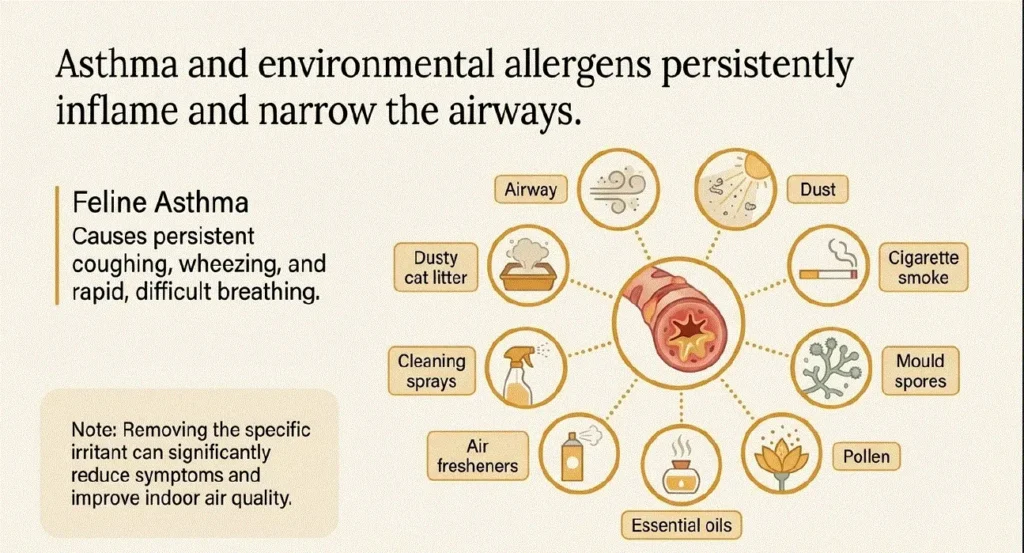
One of the most common reasons for a cat having coughing fits is feline asthma. Asthma causes inflammation in the airways, making breathing difficult.
Triggers include:
Dust, Smoke, Perfumes, Pollen, Household cleaning chemicals
Veterinary respiratory studies estimate that 1-5% of domestic cats suffer from feline asthma.
Respiratory Infections
Upper respiratory infections caused by viruses or bacteria can also result in a cat having coughing fits.
Common infectious agents include:
Feline herpesvirus, Feline Calicivirus, Bordetella bacteria.
These infections often produce additional symptoms such as sneezing, nasal discharge, and watery eyes.
Parasites (Lungworms)
Lungworms can infect cats through contaminated soil, prey animals, or intermediate hosts like snails. According to parasitology research, lungworms are a lesser-known but significant cause of cat having coughing fits, particularly in outdoor cats.
Symptoms may include:
Persistent cough, Rapid breathing, Lethargy, Weight loss.
Heart Disease
Although less common, heart disease can sometimes cause a cat having coughing fits due to fluid buildup around the lungs. Cardiomyopathy is one of the most documented heart conditions in cats.
Allergies and Environmental Irritants
Indoor air quality plays a large role in respiratory health. Household irritants such as:
Cigarette smoke, Dust mites, Mold spores, Aerosol sprays
Can lead to inflammation that causes a cat having coughing fits.
Statistical Overview of Cat Coughing Causes
Below is a summary of common causes of feline coughing based on veterinary literature reviews.
| Cause | Estimated Prevalence | Source Insight |
| Feline Asthma | 1-5% of cats | Journal of Feline Medicine |
| Respiratory Infections | 10-20% in multi-cat environments | Veterinary Microbiology |
| Lungworm Parasites | 3-7% in outdoor cats | Veterinary Parasitology |
| Allergies/Irritants | Increasing in urban homes | Environmental Veterinary Studies |
| Heart Disease | 5-15% of adult cats | American Veterinary Cardiology |
These statistics demonstrate that respiratory diseases are among the most common reasons for a cat having coughing fits.
Symptoms That Often Accompany Cat Having Coughing Fits
If your pet is experiencing a cat having coughing fits situation, you may observe other symptoms as well.
Common warning signs include: Wheezing sounds, Rapid breathing, Lethargy, Reduced appetite, Nasal discharge, Open-mouth breathing.
If these symptoms occur together, veterinary evaluation is strongly recommended.
In fogram: Signs Linked to Cat Having Coughing Fits
Cat Respiratory Symptom Distribution
Coughing Fits ███████████████ 35%
Wheezing ██████████ 20%
Sneezing ████████ 15%
Breathing Difficulty ███████ 12%
Lethargy ██████ 10%
Other Symptoms ████ 8%
Data compiled from veterinary respiratory disorder studies.
This visual overview shows that coughing is one of the most frequently observed symptoms in feline respiratory illness.
Diagnosing the Cause of Cat Having Coughing Fits
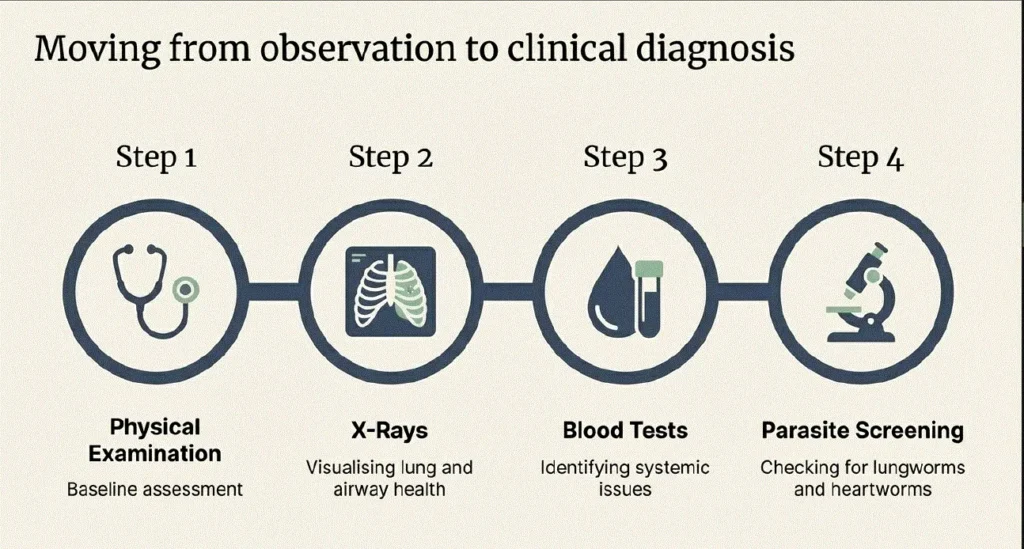
Veterinarians use several diagnostic tools to determine why a cat having coughing fits is happening.
Common diagnostic methods include:
Physical examination, Chest X-rays, Blood tests, Bronchoscopy, Fecal parasite testing.
Radiographs (X-rays) are particularly useful because they allow veterinarians to examine lung inflammation, airway narrowing, or fluid buildup.
Treatment Options for Cat Having Coughing Fits
The treatment for a cat having coughing fits depends entirely on the underlying cause.
Asthma Treatment
For asthma-related coughing:
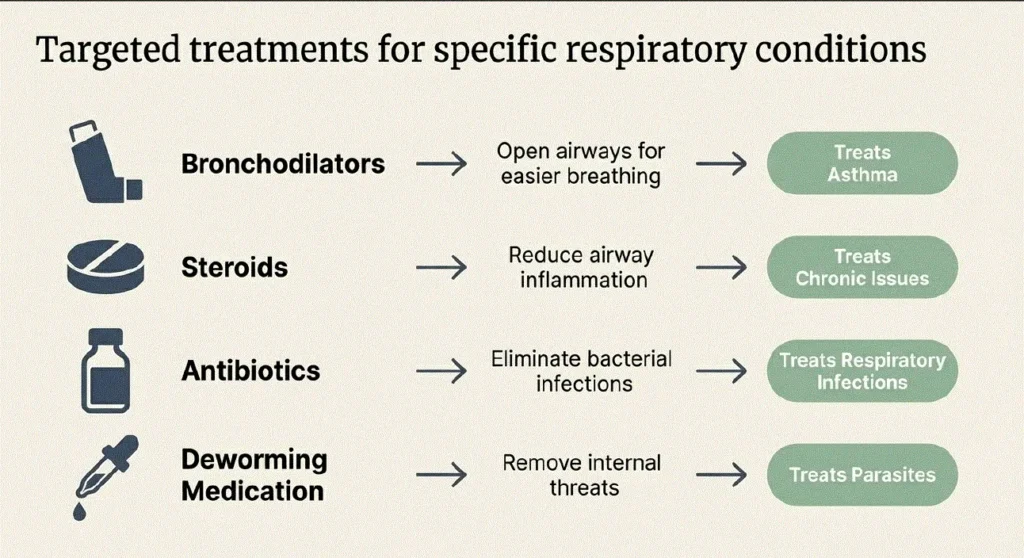
Corticosteroids reduce inflammation
Bronchodilators improve breathing
Inhaler therapy may be prescribed
Many cats respond extremely well to inhale medication.
Infection Treatment
If infection is responsible for a cat having coughing fits, veterinarians may prescribe:
Antibiotics, Antiviral medications, Supportive hydration therapy, Parasite Treatment
When parasites are detected, Antiparasitic medications are used. Most lungworm infections respond well to targeted treatments.
Environmental Management
Reducing household irritants can significantly improve symptoms.
Helpful strategies include: Using air purifiers, avoiding smoking indoors, Switching to low-dust cat litter
Limiting aerosol sprays
These changes can dramatically reduce the chances of a cat having coughing fits.
When Cat Having Coughing Fits Becomes an Emergency
Sometimes coughing can signal a serious emergency.
Seek immediate veterinary care if: Your cat struggles to breathe, Gums appear bluish, Coughing lasts more than a few days, the cat becomes extremely weak, Emergency symptoms should never be ignored because respiratory conditions can worsen rapidly.
Preventing Cat Having Coughing Fits
While not all cases are preventable, several steps can reduce the risk of a cat having coughing fits.
Preventive measures include:
Regular veterinary checkups
Parasite prevention programs
Maintaining clean indoor air
Keeping vaccinations up to date
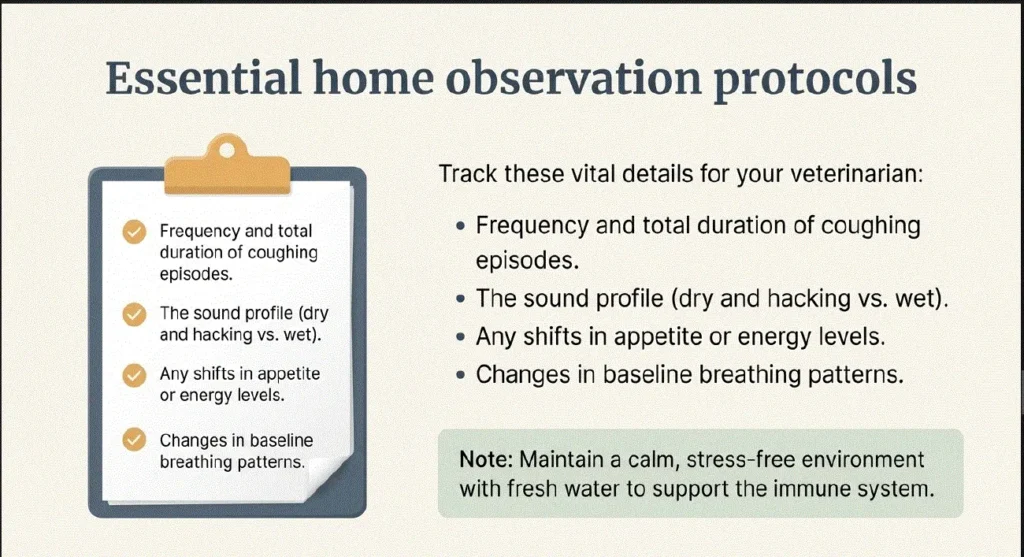
Monitoring your cat’s breathing patterns
Conclusion
A cat having coughing fits should always be taken seriously. Although occasional coughing may seem harmless, persistent coughing can signal respiratory infections, asthma, parasites, or other medical conditions. Veterinary research consistently shows that early diagnosis significantly improves treatment outcomes.
Pet owners who notice repeated coughing episodes should observe their cat carefully and consult a veterinarian if symptoms persist. With proper care, most cats experiencing coughing fits can recover and live a healthy, comfortable l
If your cat repeatedly coughs or struggles to breathe, contact a veterinarian for proper diagnosis and treatment.
FAQs
What should I do if my cat is having coughing fits?
If your cat repeatedly coughs or struggles to breathe, contact a veterinarian for proper diagnosis and treatment.
Why is my cat having coughing fits but acting normal?
Some conditions like mild asthma or early infections may cause coughing without affecting overall behavior initially.
Can hairballs cause coughing fits in cats?
Hairballs usually cause gagging rather than coughing, though some owners may confuse the two.
Is coughing in cats always serious?
Not always, but persistent coughing should always be checked because cats rarely cough without an underlying reason.
Can indoor air quality cause coughing in cats?
Yes, smoke, dust, and chemical sprays can irritate feline airways and trigger coughing episodes.