If you have a coughing white cat, it’s natural to feel concerned. While coughing in cats is not extremely common, when it does occur especially in a white cat it may signal underlying health issues that should not be ignored. From mild irritations to chronic respiratory diseases, understanding why your coughing white cat is struggling is essential for timely care and treatment.
This detailed, SEO-friendly guide explains everything you need to know about a coughing white cat, including causes, symptoms, statistical insights, and effective solutions based on veterinary literature.
What Does It Mean When You Have a Coughing White Cat?
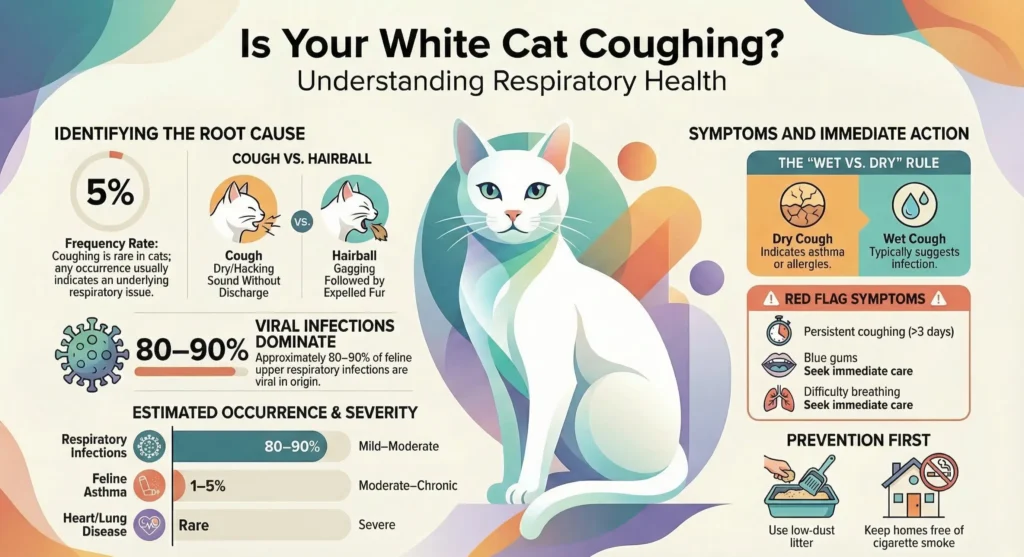
A coughing cat typically produces a dry or wet cough that may sound like hacking, wheezing, or gagging. In many cases, owners confuse coughing with hairball retching. However, a true cough originates from the respiratory tract and may indicate inflammation or infection.
Veterinary literature suggests that less than 5% of cats frequently exhibit coughing, making it a symptom worth investigating when noticed.
Why Is My Coughing White Cat Showing Symptoms?
There are several medically recognized reasons why you may have a coughing white cat. These causes range from mild environmental triggers to serious health conditions.
Feline Asthma in a Coughing White Cat
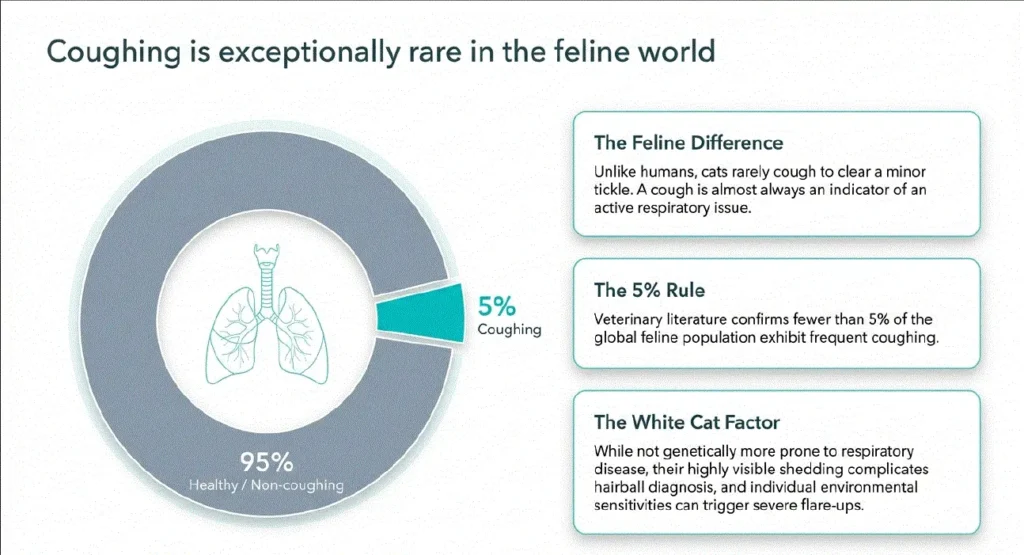
One of the most common reasons for a coughing white cat is feline asthma, a chronic inflammatory disease affecting the airways.
Affects approximately 1-5% of cats worldwide
Caused by allergens such as dust, pollen, and smoke
Leads to airway narrowing and breathing difficulty
A coughing cat with asthma may show:
Dry, persistent cough
Wheezing
Rapid breathing
Respiratory Infections in a Coughing White Cat
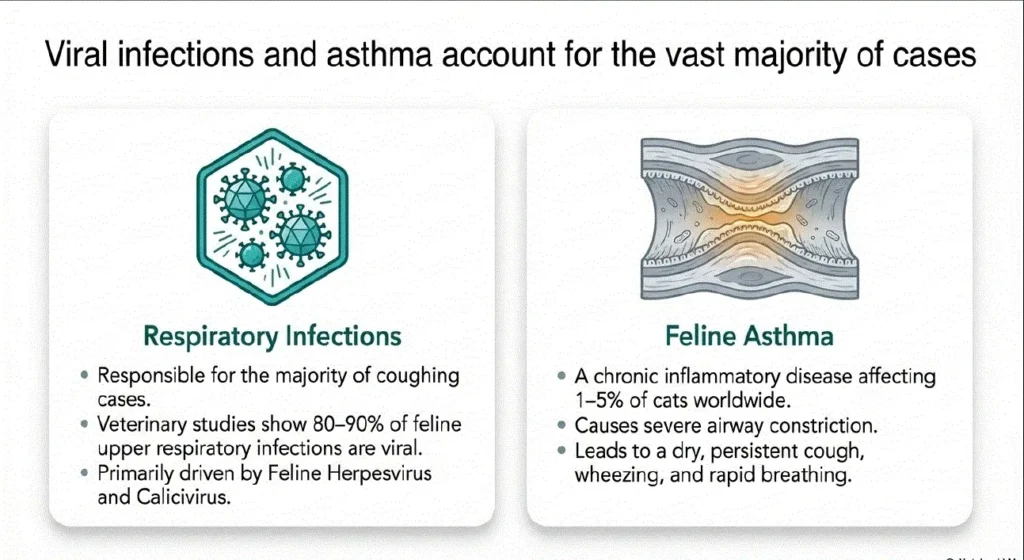
Respiratory infections are another leading cause of a coughing cat.
Types of infections: Viral (e.g., feline herpesvirus, Calicivirus), Bacterial infections, Fungal infections
Statistical insight:
Around 80-90% of upper respiratory infections in cats are viral
Symptoms include: Sneezing, Fever, Nasal discharge, Persistent coughing.
Allergies and Irritants Affecting a Coughing White Cat
Environmental factors can easily trigger coughing in a coughing cat.
Common irritants include: Cigarette smoke, Strong perfumes, Dusty cat litter, cleaning chemicals.
White cats, especially those with sensitive immune systems, may react more quickly to airborne irritants.
Parasites in a Coughing White Cat
Parasitic infections can also explain a coughing white cat.
Lungworms and heartworms affect respiratory health
Cause inflammation and irritation in airways
Symptoms may include: Chronic coughing, Weight loss, Fatigue.
Though less common, parasitic infections can become severe if untreated.
Hairballs vs. Coughing in a White Cat
Many owners mistake hairball retching for coughing in a cat.
Key difference:
Hairballs produce gagging followed by expelled fur
Coughing produces a dry hacking sound without discharge
White cats often shed visibly, making hairball-related issues more noticeable.
Foreign Objects and Airway Blockage
A sudden coughing episode in a coughing white cat may be due to a foreign object lodged in the airway.
Possible causes: Grass, Food particles, Small debris.
This situation may require immediate veterinary attention if breathing is affected.
Chronic Bronchitis in a Coughing White Cat
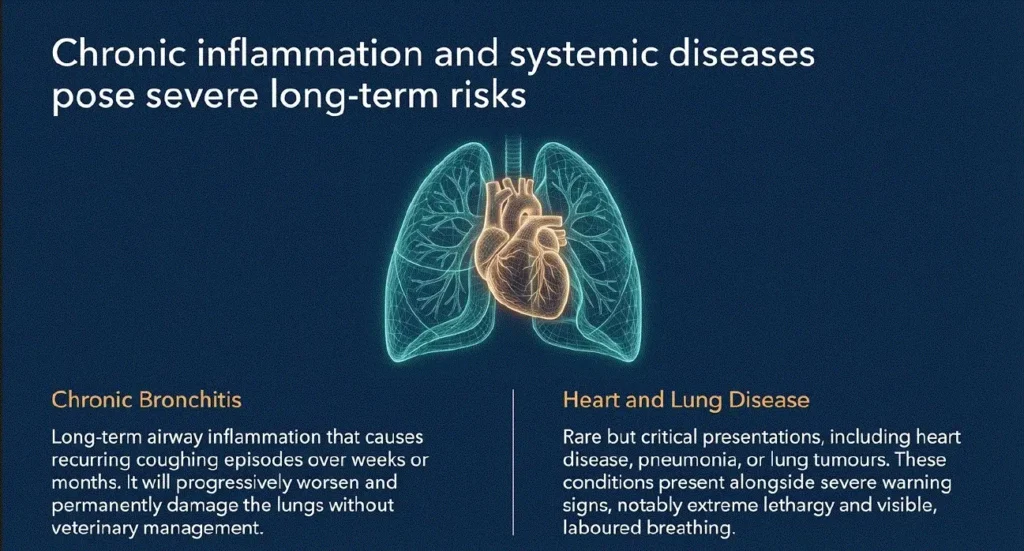
Chronic bronchitis is another explanation for a coughing white cat, especially if coughing persists over weeks.
Causes long-term inflammation
Leads to recurring coughing episodes
May worsen without treatment
Heart and Lung Diseases in a Coughing White Cat
In rare but serious cases, a coughing cat may suffer from:
Heart disease, Pneumonia, Lung tumors.
These conditions often present alongside other symptoms such as lethargy and difficulty breathing.
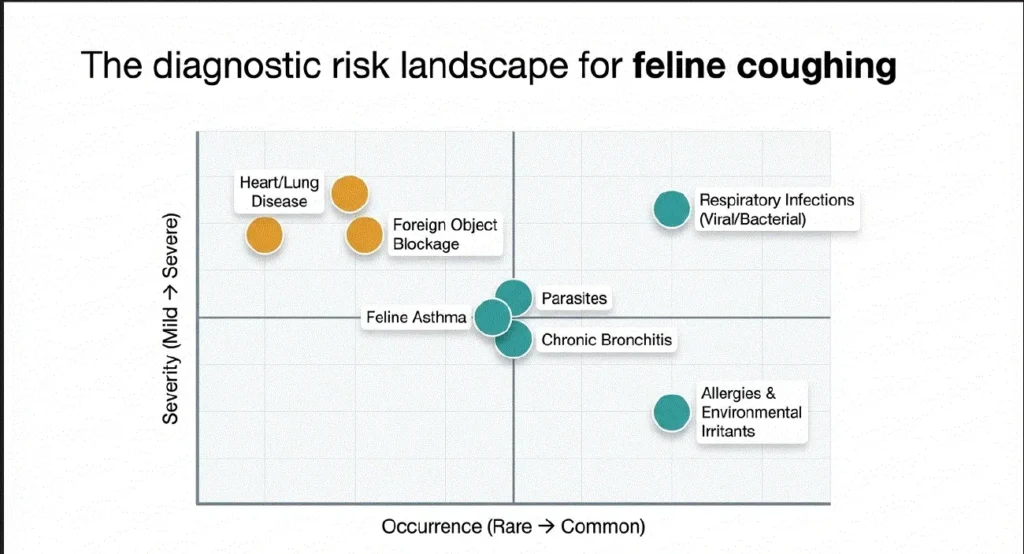
Statistical Table: Common Causes of a Coughing White Cat
| Cause | Estimated Occurrence | Severity Level |
| Feline Asthma | 1–5% | Moderate–Chronic |
| Respiratory Infections | 80–90% viral | Mild–Moderate |
| Allergies/Irritants | Common | Mild |
| Parasites | Low–Moderate | Moderate–Severe |
| Chronic Bronchitis | Increasing cases | Chronic |
| Heart/Lung Disease | Rare | Severe |
Insight: Respiratory infections and asthma are the leading contributors to a coughing white cat, based on multiple veterinary studies.
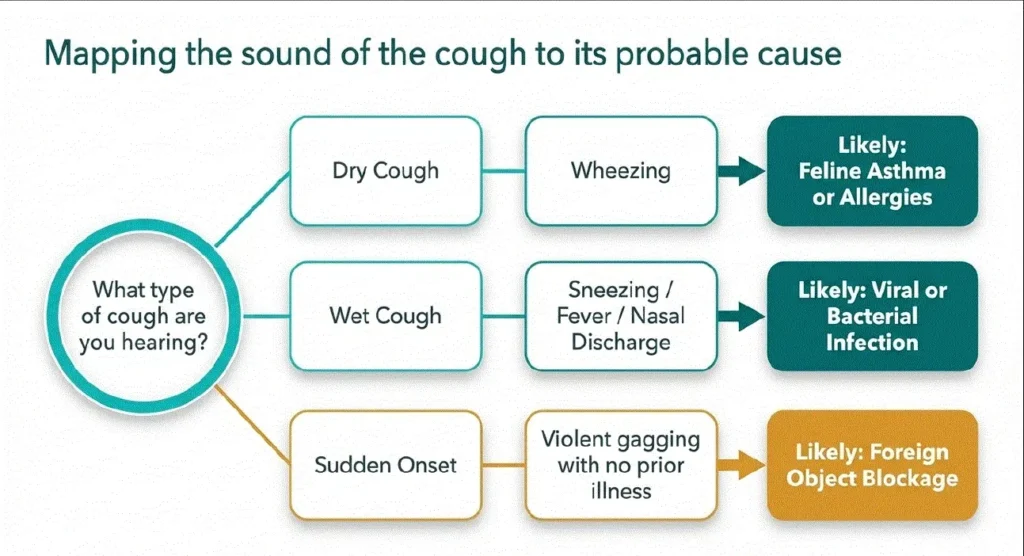
Infogram: Coughing White Cat Symptom Flow
Sneezing → Viral infection
Wheezing → Asthma
Sudden cough → Foreign object
Symptoms to Watch in a Coughing White Cat
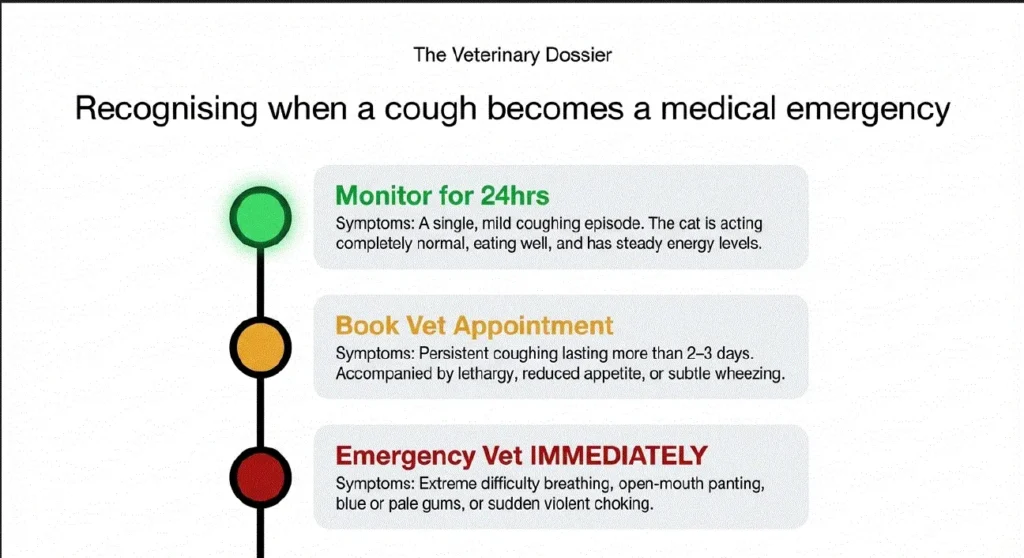
If you notice a coughing white cat, monitor for the following warning signs:
Persistent coughing lasting more than 2-3 days
Difficulty breathing, Blue or pale gums, Loss of appetite, Lethargy.
How Vets Diagnose a Coughing White Cat
To determine the cause of a coughing cat, veterinarians may perform:
Physical examination, Chest X-rays, Blood tests, Fecal tests for parasites, Airway sampling
Diagnosis focuses on identifying the root issue behind the coughing.
Treatment Options for a Coughing White Cat
Treatment for a coughing white cat depends on the underlying cause:
| Cause | Treatment |
| Asthma Inhalers, | corticosteroids |
| Infections | Antibiotics or antivirals |
| Allergies | Remove environmental triggers |
| Parasites | Deworming medications |
| Foreign objects | Surgical or manual removal |
| Heart disease | Specialized veterinary care |
Prevention Tips for a Healthy White Cat
To reduce the risk of having a coughing cat, follow these preventive measures:
Keep your home dust-free, avoid smoking near your cat, Use low-dust cat litter, and Schedule regular vet checkups, Maintain parasite prevention routines.
Final Thoughts on a Coughing White Cat
A coughing cat should never be ignored. While occasional coughing might be harmless, persistent or severe symptoms often point to underlying conditions such as asthma, infections, or parasites. While occasional coughing may result from something as simple as a minor throat irritation or a temporary environmental trigger, persistent or recurring coughing often signals an underlying issue that requires attention.
One of the most important things to remember about a coughing cat is that coughing is not a normal behavior in cats. Unlike humans, cats do not cough frequently, so when they do, it is usually a sign that something is affecting their respiratory system. Conditions such as asthma, respiratory infections, allergies, or even parasites can all contribute to coughing, and early detection plays a key role in successful treatment.
Additionally, a coughing cat may sometimes show subtle symptoms that are easy to miss. Slight changes in breathing patterns, reduced activity levels, or occasional wheezing can gradually worsen if left untreated. This is why close monitoring and timely veterinary consultation are essential. Waiting too long can allow a manageable condition to develop into a more serious health problem.
Ultimately, caring for a coughing cat requires awareness, patience, and proactive action. By paying attention to symptoms, seeking professional advice when needed, and creating a healthy living environment, you can ensure your cat stays comfortable and safe. Remember, early intervention not only protects your cat’s health but also gives you peace of mind as a pet owner.
Frequently Asked Questions (FAQs)
Why is my coughing white cat acting normal?
A mild cough may be due to temporary irritation, but persistent coughing should be checked by a vet.
Is coughing normal in a white cat?
No, coughing is not common and usually indicates an underlying issue.
Can a coughing white cat heal on its own?
Minor irritation may resolve, but chronic coughing requires medical attention.
When should I worry about a coughing white cat?
If coughing lasts more than a few days or includes breathing difficulty, seek veterinary care immediately.
Are white cats more sensitive to respiratory issues?
White cats are not necessarily more prone, but environmental sensitivity can vary individually.