If you have ever wondered, “my cat coughing” should I be concerned? You are definitely not alone. Coughing in cats is less common than in dogs, but when it happens, it often signals an underlying issue that deserves attention. From mild irritants to serious respiratory diseases, understanding why your cat is coughing can make a critical difference in early diagnosis and treatment.
This comprehensive, SEO-optimized guide explores the causes, symptoms, diagnosis, treatment, and prevention of my cat coughing, supported by veterinary literature and scientific studies.
My Cat Coughing: What Does It Really Mean?
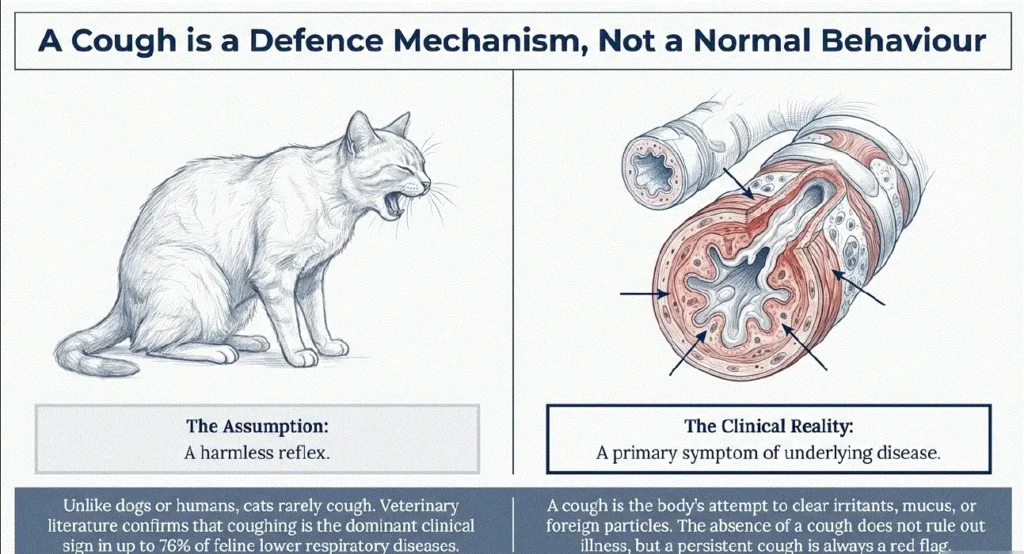
When you notice my cat coughing, it may sound like gagging, wheezing, or hacking. Unlike humans, cats do not cough frequently, so even occasional coughing should be evaluated carefully.
Scientific literature indicates that coughing is one of the most common clinical signs in feline lower respiratory diseases, appearing in up to 76% of affected cases in some studies.
Coughing is essentially the body’s defense mechanism to clear the airways from irritants, mucus, or foreign particles.
Common Causes behind “My Cat Coughing”
Understanding the root cause is key. Here are the most evidence-based causes supported by veterinary research:
Feline Asthma
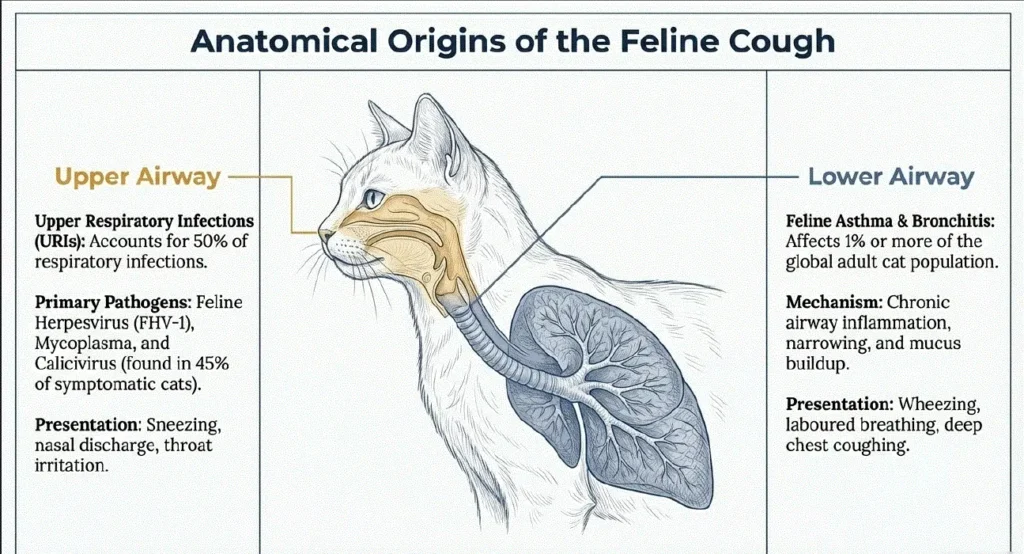
One of the leading causes of my cat coughing is feline asthma—a chronic inflammatory airway disease.
Affects at least 1% of adult cats globally
Causes airway narrowing and mucus buildup
Symptoms include coughing, wheezing, and breathing difficulty
Environmental triggers like smoke, dust, or perfumes can worsen the condition.
Upper Respiratory Infections (URIs)
Viral infections are extremely common in cats.
Accounts for 50% of respiratory infections in cats
Other pathogens include Calicivirus and Mycoplasma fails
Symptoms: coughing, sneezing, nasal discharge
A study found 45% prevalence of feline Calicivirus in symptomatic cats.
Bacterial Infections
Bacteria such as Bordetella bronchiseptica can cause respiratory illness.
Prevalence: ~11% in studied feline populations
More common in multi-cat environments
These infections often lead to persistent coughing and nasal discharge.
Lower Airway Disease & Bronchitis
Research shows that among cats with respiratory disease:
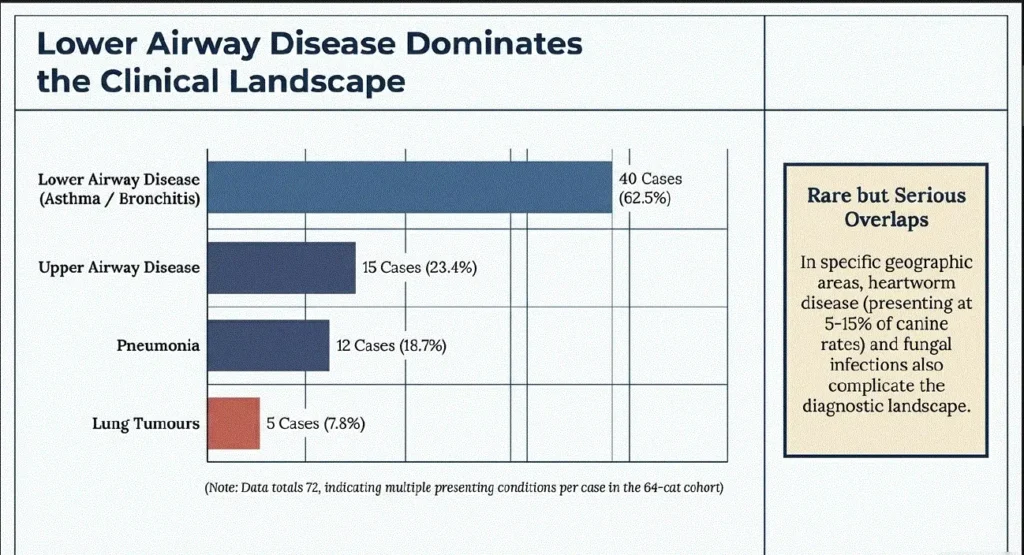
This highlights how frequently airway inflammation contributes to my cat coughing.
Fungal Infections
Fungi such as Cryptococcus neoformans can infect cats through inhalation.
Around 4% of cats may carry this fungus asymptomatically
Can spread from nasal cavity to lungs and brain
Environmental Irritants
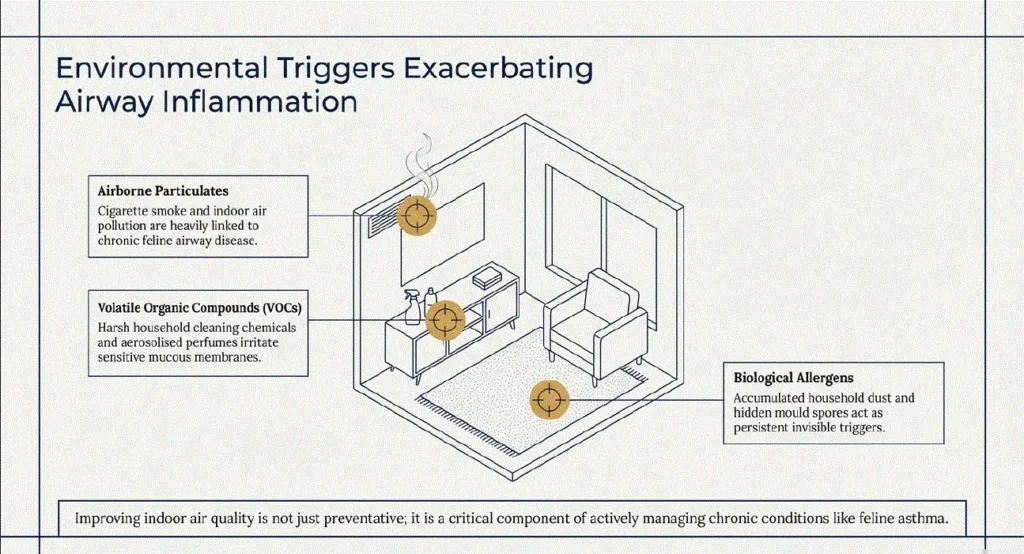
Household factors can trigger coughing:
Cigarette smoke, Cleaning chemicals, Dust and mold.
Studies suggest indoor air pollution plays a role in feline respiratory disease.
Rare but Serious Causes
Heartworm disease (present at 5-15% of canine rates)
Lung tumors, Foreign objects in airway, Symptoms to Watch When “My Cat Coughing” Occurs
Recognizing accompanying symptoms can help determine severity:
Wheezing or labored breathing, Sneezing and nasal discharge, Lethargy or reduced appetite
Open-mouth breathing (emergency), Weight loss.
In some infections, coughing is accompanied by respiratory distress in up to 37% of cases .
Infographic: Causes of My Cat Coughing (Evidence-Based)
[My Cat Coughing Causes Breakdown]
Asthma & Bronchitis ████████████████████ (Most Common)
Viral Infections ███████████████ (50% cases)
Bacterial Infections ███████ (11%)
Fungal Infections ███ (4%)
Tumors & Rare Causes ██
Environmental Irritants █████████
How Veterinarians Diagnose “My Cat Coughing”
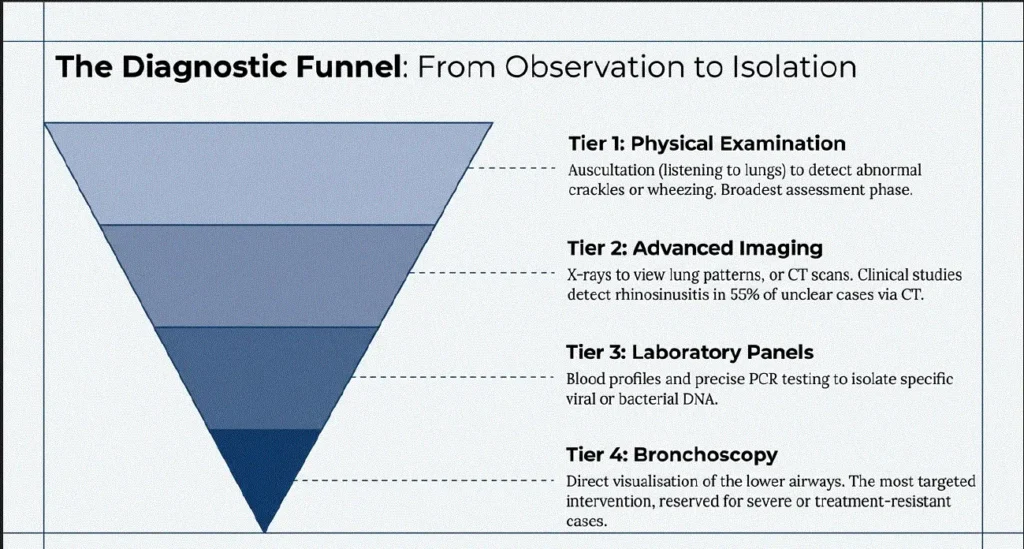
Diagnosis involves a combination of:
Physical Examination
Listening for abnormal lung sounds like wheezing or crackles.
Imaging
X-rays or CT scans
Rhinosinusitis detected in 55% of cases in CT studies
Laboratory Tests
PCR tests for viruses and bacteria
Blood tests
Bronchoscopy
Used in severe or unclear cases.
Treatment Options for My Cat Coughing
Treatment depends on the cause:
For Asthma, Corticosteroids, Bronchodilators, For Infections, Antibiotics (bacterial), Antivirals (limited use), For Fungal Diseases, Antifungal medications, Supportive Care, Humidifiers, Hydration, Clean environment
Veterinary research confirms that early diagnosis significantly improves prognosis.
Home Care Tips When My Cat Coughing Starts
While veterinary care is essential, you can support your cat at home:
Remove smoke and strong odors
Use dust-free litter
Keep your cat hydrated
Monitor frequency and severity of coughing
When Should You Worry About “My Cat Coughing”?
Seek immediate veterinary attention if:
Coughing persists more than a few days, your cat shows breathing difficulty, There is open-mouth breathing, Appetite loss or lethargy appears.
Remember: absence of coughing does not rule out disease, but persistent coughing is always a red flag.
Prevention Strategies
Preventing my cat coughing is often easier than treating it:
Vaccinate against common respiratory viruses
Avoid overcrowded environments
Maintain indoor air quality
Regular vet check-ups
Vaccination may not fully prevent disease but can reduce severity of symptoms.
Statistical Table: Key Findings from Veterinary Literature
| Factor | Statistical Insight | Source |
| Cough prevalence in LRT disease | 76% cases | Study on feline respiratory infections |
| Feline asthma prevalence | ≥1% of adult cats | Global estimate |
| FHV-1 contribution | 50% respiratory cases | Viral disease data |
| Bordetella prevalence | 11% | Cross-sectional survey |
| Fungal carrier rate | 4% cats | Cornell Vet data |
Final Thoughts on My Cat Coughing
When you notice my cat coughing, it’s easy to dismiss it as something minor perhaps a hairball or temporary irritation. However, veterinary science clearly shows that coughing in cats is often linked to underlying respiratory conditions that should not be ignored.
Unlike dogs or humans, cats are naturally more subtle in expressing illness. This means that even occasional coughing could indicate early-stage disease. Studies have shown that coughing is a dominant clinical sign in many feline respiratory conditions, appearing in a significant percentage of diagnosed cases. This reinforces the importance of early recognition and timely veterinary consultation.
One of the most important takeaways is that my cat coughing is not a diagnosis—it is a symptom. It can be caused by a wide spectrum of issues, ranging from manageable conditions like asthma to more serious infections or even tumors. The challenge for pet owners is distinguishing between harmless, short-term irritation and persistent coughing that signals deeper health concerns.
Environmental factors also play a bigger role than many cat owners realize. Indoor pollutants such as cigarette smoke, dust, and chemical cleaners have been linked to respiratory irritation and chronic airway diseases in cats. Improving air quality and reducing exposure to irritants can significantly lower the risk of chronic coughing episodes.
Another key insight from veterinary literature is the role of infectious diseases. Viruses like feline herpesvirus and Calicivirus are widespread and highly contagious, especially in multi-cat households. These infections not only cause coughing but may also lead to long-term respiratory complications if not managed properly.
From a preventive standpoint, regular veterinary check-ups, vaccinations, and maintaining a clean living environment are essential. Even though vaccines may not completely prevent infections, they significantly reduce the severity of symptoms and improve recovery outcomes.
Ultimately, the best approach when dealing with my cat coughing is vigilance combined with informed action. Monitor your cat closely, note any additional symptoms, and never hesitate to consult a veterinarian if the coughing persists or worsens. Early diagnosis can make a life-saving difference.
Your cat relies on you to notice subtle changes in behavior and health. By taking coughing seriously and understanding its potential causes, you are already taking a crucial step toward ensuring your pet’s long-term well-being and comfort.