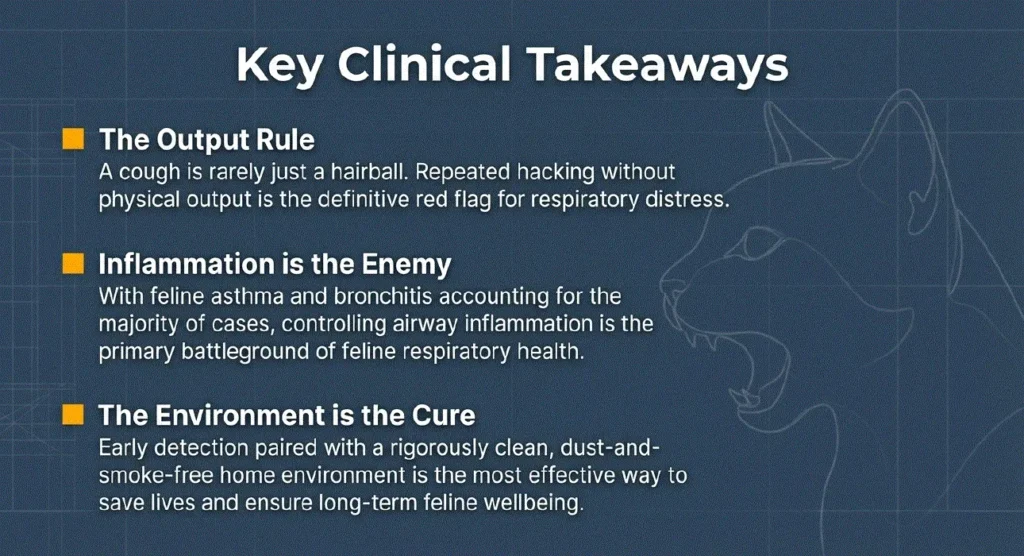
Cat coughing hacking is a symptom that many cat owners notice but often misunderstand. While cats sometimes appear to cough when trying to expel hairballs, repeated hacking sounds without producing a hairball can indicate an underlying health problem.
In veterinary medicine, coughing in cats is considered relatively uncommon compared to dogs, which means persistent coughing or hacking should always be evaluated carefully.
Research in feline respiratory medicine shows that respiratory diseases such as feline asthma affect approximately 1–5% of cats globally, making them one of the most common causes of chronic coughing in cats. Veterinary institutions and clinical studies emphasize that recognizing the early signs of respiratory illness can help prevent serious complications.
This article explains the medical causes, symptoms, statistical data, and treatment options associated with cat coughing hacking based on veterinary literature and clinical research.
Understanding Cat Coughing Hacking
Cat coughing hacking refers to repeated coughing episodes that often sound dry, harsh, or similar to gagging. Many cat owners initially think their pet is attempting to vomit a hairball. However, when coughing continues without producing a hairball, it may indicate irritation or inflammation in the respiratory tract.
Veterinary specialists explain that coughing is a protective reflex triggered when irritants enter the airway. The respiratory system attempts to clear mucus, allergens, or foreign particles through coughing.
Common signs associated with cat coughing hacking include:
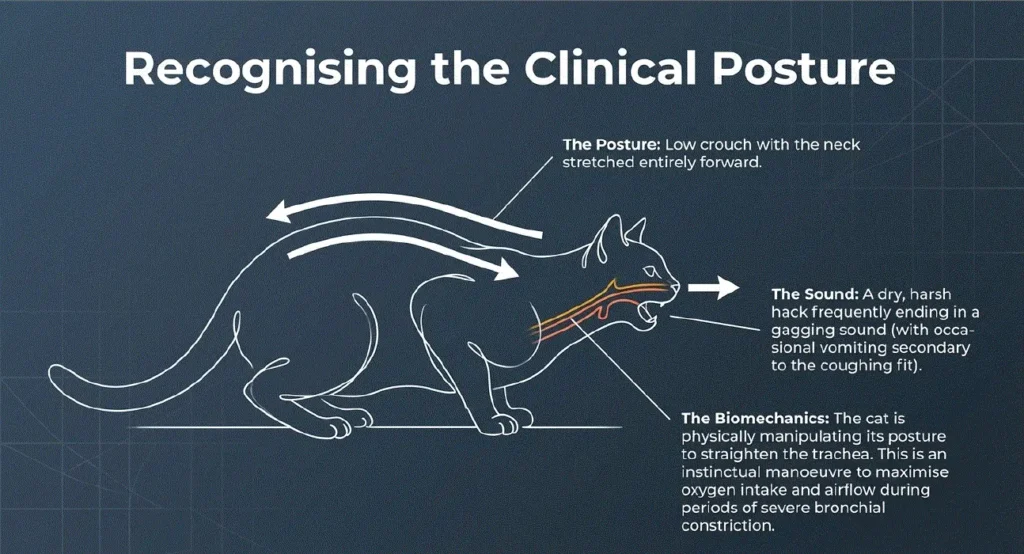
Repeated dry or wet coughing, Hacking sounds similar to gagging, Neck stretched forward during coughing, Wheezing or noisy breathing, Occasional vomiting after coughing.
Some cats also crouch low to the ground with their neck extended while coughing, which is a typical posture seen during respiratory distress.
Common Causes of Cat Coughing Hacking
Feline Asthma and Cat Coughing Hacking
Feline asthma is widely recognized as one of the most common causes of cat coughing hacking. It occurs when allergens trigger inflammation in the lower airways, causing the bronchial tubes to narrow and produce excess mucus.
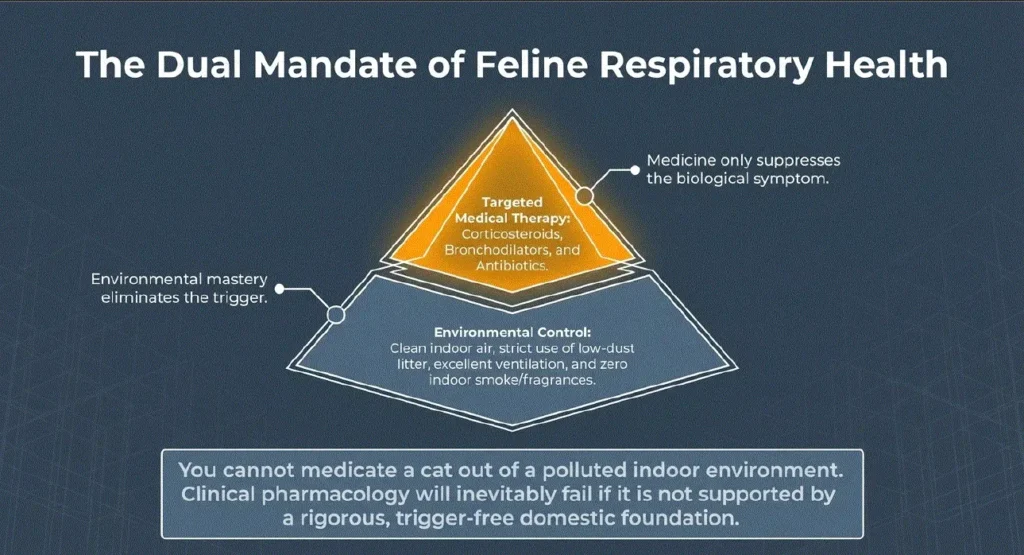
Veterinary research estimates that 1-5% of cats suffer from asthma, making it a significant respiratory disease in domestic cats.
Common triggers include: Dust from cat litter, Tobacco smoke, Mold spores, Pollen.
Household cleaning chemicals
When these allergens irritate the airway, the immune system releases inflammatory substances that cause bronchial constriction and coughing.
Respiratory Infections
Respiratory infections are another major contributor to cat coughing hacking. Viral infections such as feline herpesvirus can cause inflammation of the upper respiratory tract.
Clinical studies suggest that viral infections are responsible for up to 50% of respiratory disease cases in cats.
Symptoms of infectious respiratory disease include:
Sneezing and coughing
Nasal discharge
Fever
Eye irritation
Kittens and cats living in multi-cat environments are particularly vulnerable to these infections.
Chronic Bronchitis
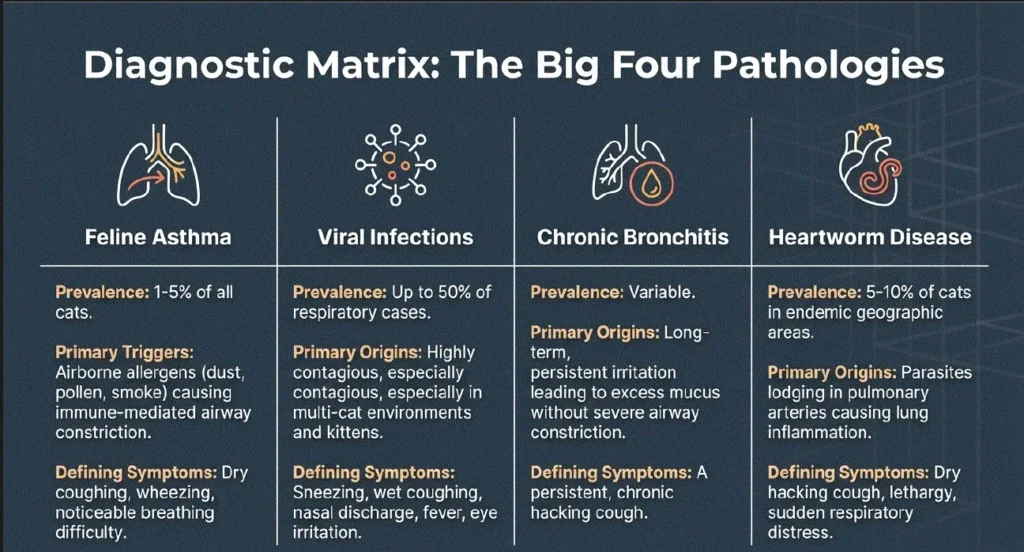
Chronic bronchitis is a condition characterized by long-term inflammation of the airways. In this disease, the bronchial lining becomes irritated and produces excess mucus, which triggers repeated coughing.
Unlike asthma, bronchitis may not always involve severe airway constriction, but it still leads to persistent hacking coughs. Veterinary research describes chronic bronchitis and asthma as part of a group known as inflammatory airway diseases in cats.
Heartworm Disease
Although heartworm infection is more commonly associated with dogs, it can also affect cats. Heartworms can lodge in the pulmonary arteries, causing inflammation in the lungs and respiratory system.
In regions where heartworm is present, studies estimate that 5–10% of cats may develop heartworm-associated respiratory disease.
Symptoms may include: Dry hacking cough, Breathing difficulty, Lethargy, Sudden respiratory distress.
Environmental Irritants
Indoor environmental irritants can also trigger cat coughing hacking. Cats have sensitive respiratory systems, and exposure to airborne pollutants may irritate their airways.
Common environmental irritants include: Scented candles, Perfumed sprays, Essential oils, Dusty litter
Smoke.
Long-term exposure to these irritants can worsen respiratory conditions or trigger asthma attacks.
Statistical Overview of Cat Coughing Hacking
The following table summarizes important statistics reported in veterinary literature regarding respiratory diseases associated with coughing in cats.
| Condition | Estimated Prevalence | Key Symptoms |
| Feline Asthma | 1-5% of cats | Coughing, wheezing, breathing difficulty |
| Viral Respiratory Disease | Up to 50% of respiratory cases | Sneezing, coughing, nasal discharge |
| Heartworm Disease | 5-10% in endemic areas Dry cough | breathing problems |
| Chronic Bronchitis | Variable prevalence | Persistent hacking cough |
These statistics highlight that respiratory diseases play a significant role in cases of cat coughing hacking.
In fogram: Major Causes of Cat Coughing Hacking
Below is a simplified infographic showing the approximate distribution of major causes reported in veterinary studies.
Main Causes of Cat Coughing Hacking
Feline Asthma ███████████████ 40%
Respiratory Infections ██████████ 25%
Chronic Bronchitis ████████ 20%
Heartworm Disease ████ 10%
Other Causes ██ 5%
This visualization shows that airway inflammation and asthma account for the largest proportion of coughing cases in cats.
Symptoms Associated with Cat Coughing Hacking
Cats suffering from respiratory problems may show several clinical symptoms besides coughing.
Common symptoms include:
Persistent hacking cough
Wheezing or whistling breathing sounds
Rapid breathing
Fatigue or reduced activity
Loss of appetite
Veterinary studies report that coughing is present in nearly 80% of cats diagnosed with asthma, making it the most noticeable symptom of the disease.
If these symptoms become frequent or severe, veterinary evaluation is strongly recommended.
Veterinary Diagnosis of Cat Coughing Hacking
Diagnosing the underlying cause of cat coughing hacking requires a detailed veterinary examination. Veterinarians typically use a combination of diagnostic techniques.
Common diagnostic methods include:
Chest X-rays
X-rays help identify lung inflammation, airway thickening, or fluid accumulation.
Bronchoscopy
A small camera is inserted into the airway to examine inflammation or obstruction.
Blood Testing
Blood tests can reveal infections, allergies, or parasitic diseases.
Fecal Examination
This test checks for lungworms and other parasites that may cause coughing.
These tests allow veterinarians to accurately determine the cause of coughing and provide appropriate treatment.
Treatment Options for Cat Coughing Hacking
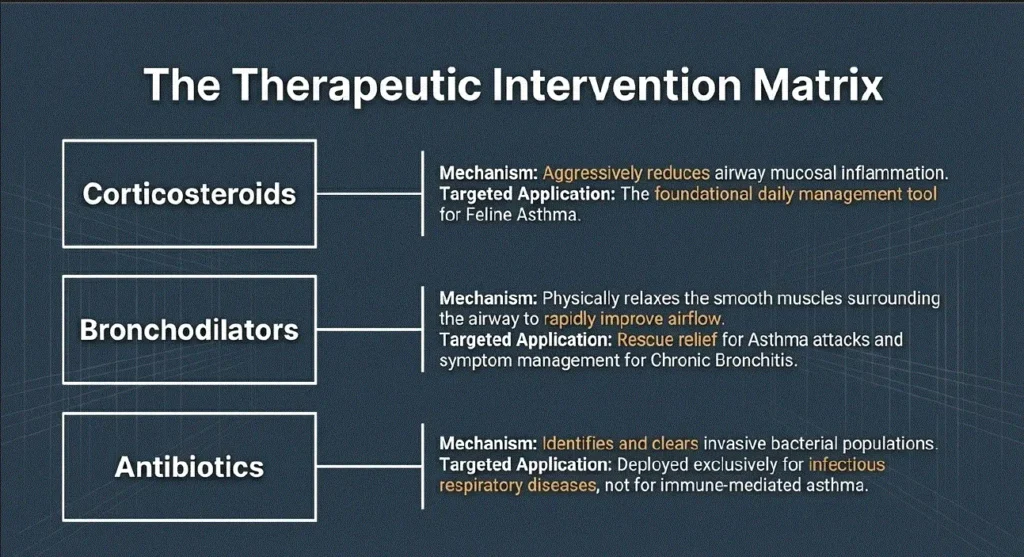
Treatment depends on the underlying condition causing the cough.
Common treatment options include:
Corticosteroids
These medications reduce airway inflammation and are commonly prescribed for asthma.
Bronchodilators
Bronchodilators relax the airway muscles and improve airflow.
Antibiotics
Used to treat bacterial infections that contribute to respiratory disease.
Environmental Control
Reducing exposure to allergens and pollutants can significantly improve respiratory health.
Veterinarians also recommend avoiding smoking indoors and using low-dust cat litter to protect cats with respiratory sensitivities.
Preventing Cat Coughing Hacking
Although not all respiratory diseases can be prevented, certain steps can significantly reduce the risk.
Preventive measures include: Keeping indoor air clean and well ventilated, Using dust-free cat litter
Avoiding smoke and strong fragrances, maintaining regular veterinary checkups, keeping vaccinations up to date, Proper environmental management is particularly important for cats with asthma or allergies.
When Cat Coughing Hacking Is an Emergency
Certain symptoms indicate that coughing may be part of a serious respiratory emergency.
Seek immediate veterinary care if a cat shows:
Open-mouth breathing
Blue or pale gums
Continuous coughing attacks, severe lethargy.
These signs may indicate severe asthma attacks or respiratory distress that requires urgent treatment.
Conclusion
Cat coughing hacking should never be ignored because it often indicates an underlying respiratory condition. Veterinary literature identifies feline asthma, respiratory infections, chronic bronchitis, and heartworm disease as the most common causes.
Research shows that asthma alone affects around 1-5% of domestic cats, making it a significant health concern. Early recognition of symptoms and timely veterinary care can greatly improve outcomes for affected cats.
By understanding the causes and risk factors associated with cat coughing hacking, cat owners can take proactive steps to protect their pet’s respiratory health and overall well-being.
Frequently Asked Questions (FAQs)
What should I do if my cat is coughing and hacking?
If your cat is coughing and hacking repeatedly, observe how often it occurs and whether other symptoms are present. If coughing continues for more than a day or becomes frequent, it is best to consult a veterinarian for proper diagnosis.
Why does my cat cough like it has a hairball but nothing come out?
Cats sometimes cough due to airway irritation rather than hairballs. Conditions such as feline asthma, bronchitis, or respiratory infections can cause coughing that resembles hairball gagging.
Is cat coughing hacking a sign of asthma?
Yes, persistent hacking coughs are one of the most common signs of feline asthma. Cats with asthma may also wheeze, breathe rapidly, or show difficulty breathing.
Can environmental factors cause cat coughing hacking?
Yes. Dust, smoke, strong perfumes, and household chemicals can irritate a cat’s airway and trigger coughing episodes, especially in cats with respiratory sensitivities.
Can cat coughing hacking go away on its own?
Occasional coughing may resolve on its own if caused by minor irritation. However, persistent coughing usually indicates an underlying condition that requires veterinary evaluation.