Introduction to Cat Coughing Medicine
Cat coughing medicine is often searched by pet owners who notice their cat coughing repeatedly or struggling with respiratory discomfort. While occasional coughing may occur when a cat clears hairballs or dust from its throat, persistent coughing can indicate an underlying medical condition that requires attention.
According to veterinary clinical literature, coughing in cats is less common than in dogs, which means repeated coughing should never be ignored. Understanding the causes, treatments, and proper use of cat coughing medicine helps pet owners protect their cat’s respiratory health and ensure timely treatment.
It helps clear irritants, mucus, pathogens, or foreign particles from the airways and lungs. However, when coughing becomes frequent or severe, it often signals inflammation or disease affecting the respiratory tract.
Veterinary reports show that respiratory infections, feline asthma, bronchitis, allergies, and parasites are among the most common causes of coughing in cats. Identifying the root cause is the most important step before giving any medication.
Why Cats Cough and When Cat Coughing Medicine Is Needed
Cats may cough for several reasons, ranging from mild irritation to serious respiratory disease. In some cases, dust, smoke, or environmental allergens may irritate the airways and trigger coughing. In other situations, infections or chronic inflammatory diseases may cause repeated coughing episodes.
Veterinary research suggests that respiratory infections account for a large percentage of coughing cases in cats. Feline asthma is another important condition that causes chronic coughing and breathing difficulty.
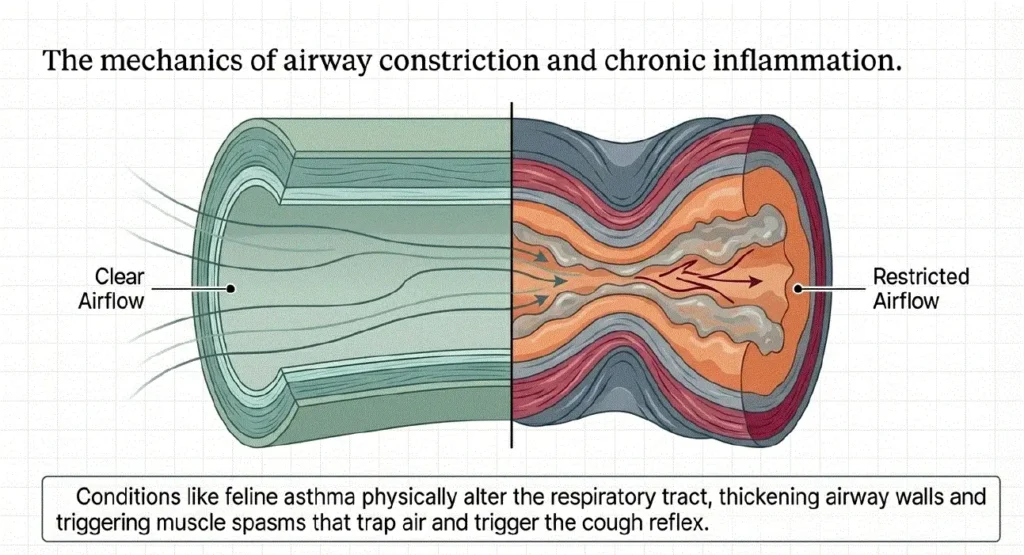
Studies in veterinary medicine estimate that approximately 1% of adult cats worldwide suffer from feline asthma, which results in inflammation and narrowing of the airways. When these conditions occur, appropriate cat coughing medicine becomes necessary to relieve symptoms and treat the underlying illness.
Common Causes of Coughing in Cats
Before selecting a treatment, veterinarians must determine the exact cause of coughing. Several medical conditions may trigger coughing in cats.
Respiratory infections are one of the most common causes and may be caused by viruses, bacteria, or fungi affecting the lungs or bronchi. These infections lead to inflammation and mucus buildup, which stimulates the cough reflex.
Feline asthma is another major cause of coughing. This chronic condition causes airway inflammation and constriction, leading to coughing, wheezing, and breathing difficulties.
Parasites such as lungworms or heartworms may also affect the respiratory system. When parasites invade the lungs, they irritate the airway tissues and trigger coughing episodes.
Environmental allergens including smoke, dust, perfumes, or chemical sprays can also irritate the respiratory tract. Cats exposed to these irritants may develop temporary coughing until the irritant is removed.
In rare cases, tumors, heart disease, or airway obstruction may also cause coughing in cats. These conditions require immediate veterinary diagnosis and treatment.
Cat Coughing Medicine Prescribed by Veterinarians
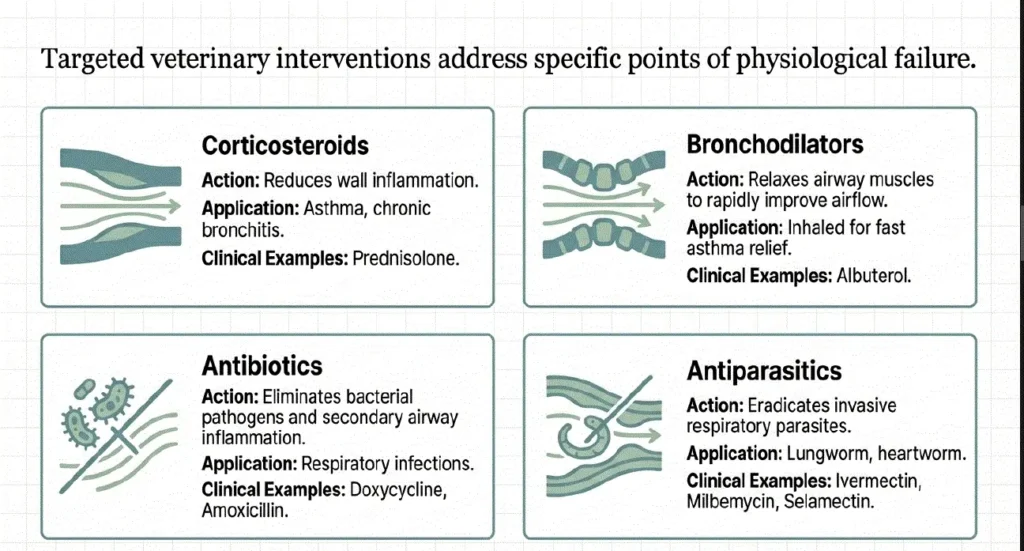
Veterinarians prescribe different types of cat coughing medicine depending on the underlying cause of the cough. These medications target inflammation, infection, or airway constriction.
Corticosteroids
Corticosteroids are commonly prescribed to reduce inflammation in the lungs and airways. Medications such as prednisolone are often used to treat feline asthma or chronic bronchitis. By reducing inflammation, these drugs help open the airways and reduce coughing frequency.
Bronchodilators
Bronchodilators help relax the muscles around the airways and improve airflow to the lungs. These medications are particularly useful for cats suffering from asthma. Inhaled bronchodilators such as albuterol are commonly recommended by veterinarians because they act directly on the lungs and provide fast relief.
Antibiotics
When bacterial infections are responsible for coughing, veterinarians prescribe antibiotics such as doxycycline or amoxicillin. These medications eliminate bacteria causing respiratory infections and reduce inflammation in the airways.
Antiparasitic Medicines
Parasitic infections such as lungworms or heartworms can also cause coughing. In these cases, veterinarians prescribe Antiparasitic medications like ivermectin, milbemycin, or selamectin to eliminate the parasites and restore respiratory health.
Natural Support alongside Cat Coughing Medicine
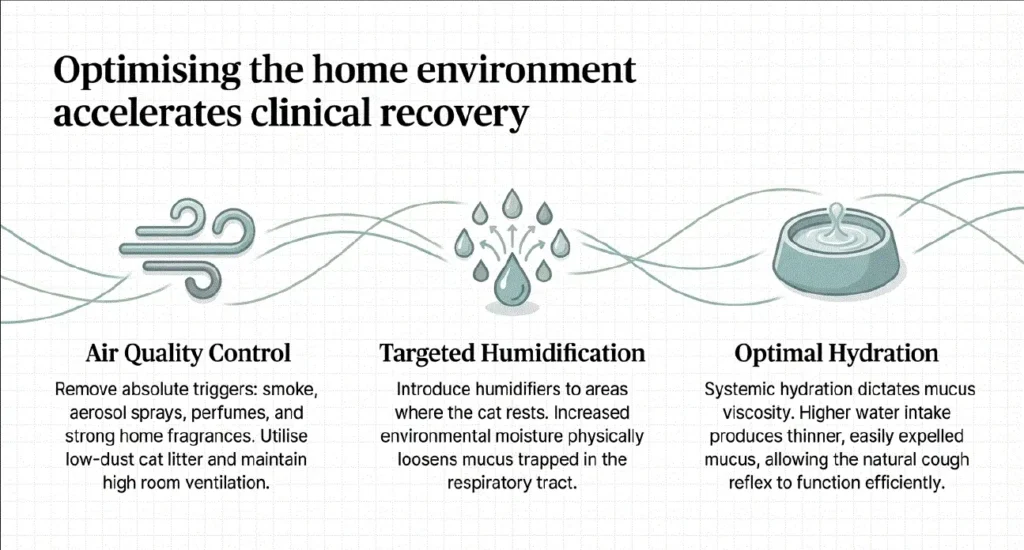
In addition to veterinary treatment, supportive care can help reduce coughing and improve recovery. Environmental management is particularly important for cats with respiratory sensitivity.
Maintaining clean air inside the home can significantly reduce coughing triggers. Removing smoke, dust, aerosol sprays, and strong fragrances helps protect the cat’s airway from irritation.
Humidified air can also benefit cats with respiratory irritation. Using a humidifier increases moisture in the air and helps loosen mucus in the respiratory tract, making it easier for the cat to breathe.
Proper hydration is another important factor. Cats that drink enough water produce thinner mucus, which allows the respiratory system to clear irritants more effectively.
Statistics Related to Cat Coughing and Respiratory Disease
Veterinary studies provide useful insights into the prevalence of respiratory conditions in cats.
Table: Common Causes of Cat Coughing
Cause Estimated Occurrence Severity Level
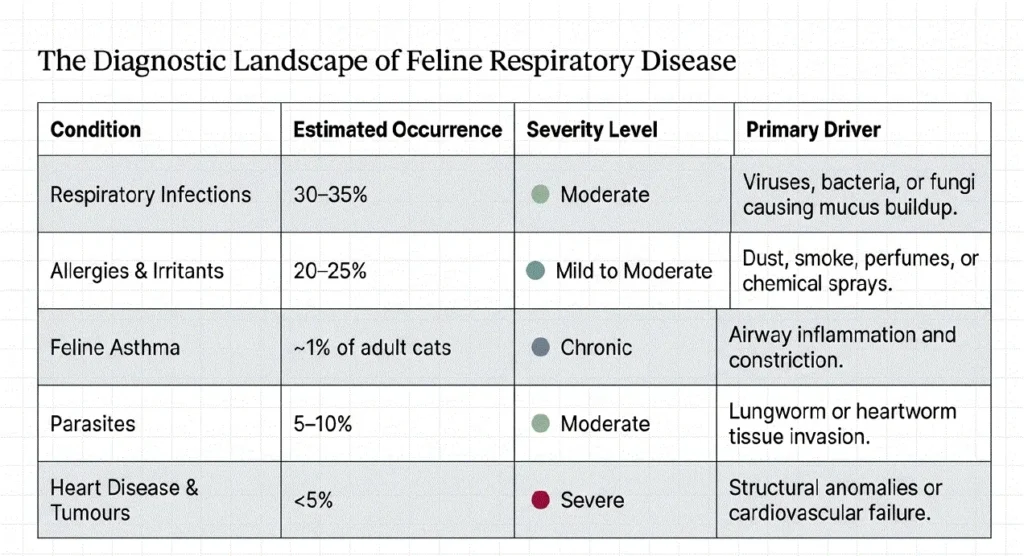
These statistics show that infections and environmental irritants are among the most frequent reasons cats develop coughing symptoms.
In fogram: Distribution of Cat Coughing Causes
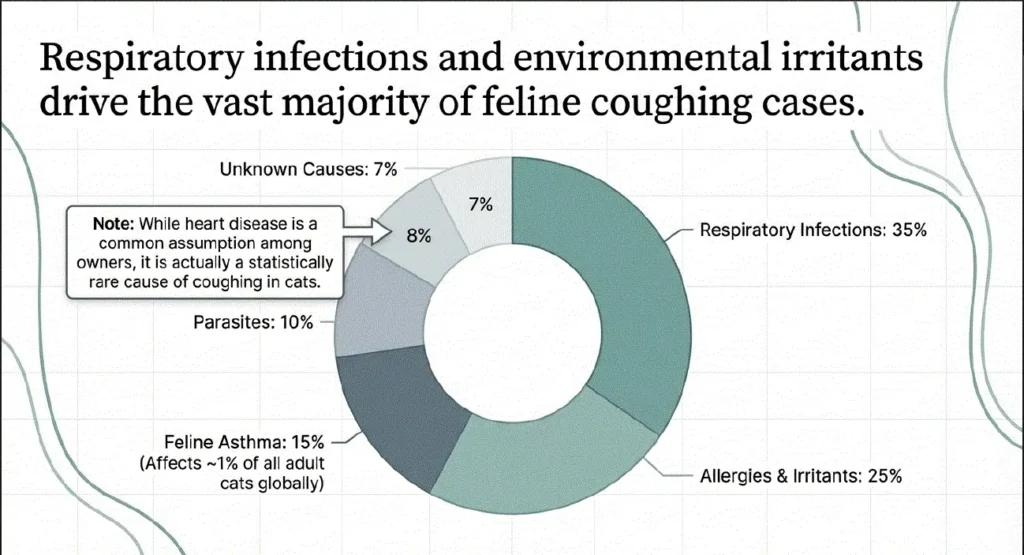
This visual representation highlights how respiratory infections and environmental irritants represent the majority of coughing cases in cats.
Dangerous Human Medicines Cats Should Never Take
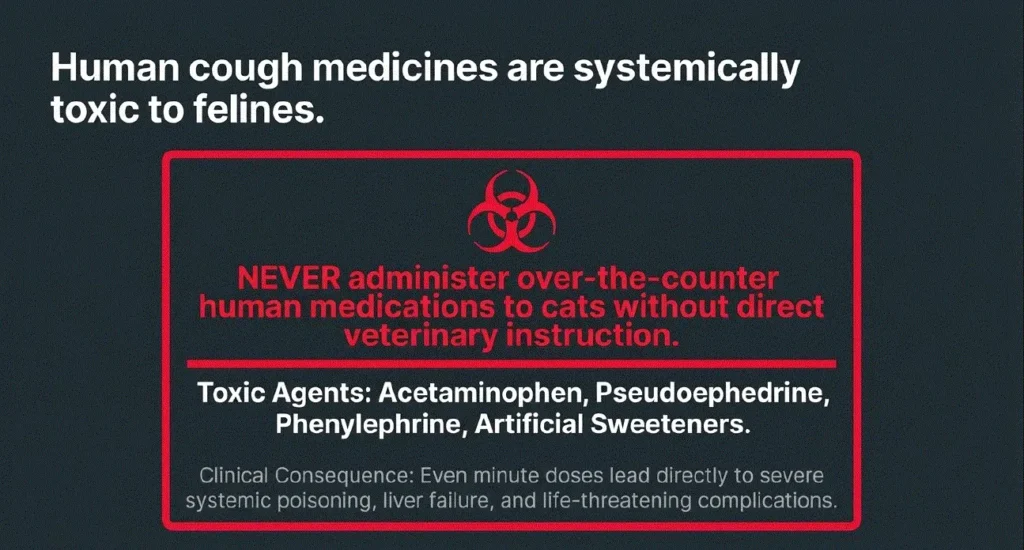
One of the biggest mistakes pet owners make is giving human cough medicine to cats. Many over-the-counter cough medications contain ingredients that are extremely toxic to felines.
Substances such as acetaminophen, pseudoephedrine, phenylephrine, and certain artificial sweeteners can cause severe poisoning in cats. Even small doses may lead to liver failure or other life-threatening complications. Because of these risks, pet owners should never administer human cough medicines without veterinary guidance.
When to Visit a Veterinarian
Sometimes coughing indicates a serious health problem that requires immediate medical attention. Cats showing persistent coughing for several days should always be examined by a veterinarian.
Emergency symptoms include difficulty breathing, pale or blue gums, coughing blood, severe lethargy, or sudden loss of appetite. These signs may indicate serious respiratory disease or heart problems that require urgent treatment.
Veterinarians may perform diagnostic tests such as chest X-rays, blood tests, parasite screening, or bronchoscopy to determine the cause of coughing before prescribing the appropriate cat coughing medicine.
Preventing the Need for Cat Coughing Medicine
Preventive care plays a major role in maintaining respiratory health in cats. Regular veterinary checkups allow early detection of respiratory problems before they become severe.
Keeping the home environment clean and free from smoke or chemical irritants helps protect the cat’s lungs. Using low-dust litter and maintaining proper ventilation can also reduce airway irritation.
Parasite prevention medications and vaccinations against common respiratory viruses also reduce the risk of infections that may lead to coughing.
Conclusion
Cat coughing medicine is an essential treatment when cats develop respiratory problems caused by infections, asthma, parasites, or inflammation. Although mild coughing may sometimes resolve on its own, persistent coughing should always be evaluated by a veterinarian.
Proper diagnosis ensures that the correct medication is used and prevents serious complications.
By combining veterinary treatment with supportive care and a clean living environment, most cats recover successfully from respiratory conditions. Responsible pet owners should always consult a veterinarian before giving any medication and remain attentive to changes in their cat’s breathing or behavior. With timely care and the right treatment approach, cats can maintain strong respiratory health and live comfortable lives.