Cat Coughing Prevention Creating a Pure Air Environment
In the specialized field of feline facility management, optimizing indoor air quality (IAQ) is not simply a maintenance task it is a clinical priority. Feline respiratory systems are exceptionally sensitive to environmental irritants.
When environmental standards are compromised, one of the first warning signs observed is cat coughing, which often signals airway irritation or inflammation.
Cat coughing is not merely an occasional reflex; it can indicate chronic respiratory stress caused by airborne triggers. Therefore, proactive environmental management is not a luxury—it is a necessity.
By neutralizing specific atmospheric triggers, a facility evolves beyond basic containment and becomes a “Pure Air Paradise,” an engineered environment that supports optimal respiratory function.
This guide outlines a strategic transition from reactive care (responding after symptoms appear) to preventive environmental control (eliminating causes before symptoms develop). Cat Coughing Prevention
The objective is simple: ensure that every breath a feline takes is free from harmful pollutants that may lead to cat coughing or more serious respiratory complications.
Foundational Strategy for Respiratory Health
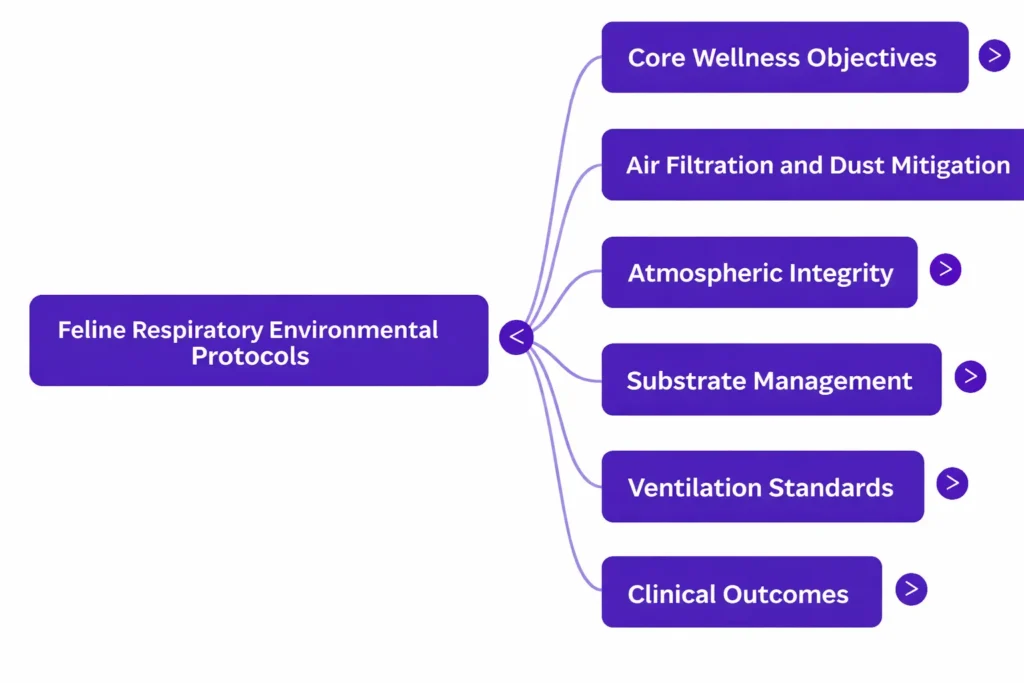
Understanding the Link between Environment and Cat Coughing
Feline respiratory systems are anatomically delicate. Their airways are narrow and highly reactive to particulate matter, smoke, chemical residues, and allergens. Even minor environmental stressors can trigger inflammation that results in wheezing or cat coughing.
To prevent such outcomes, facilities must adopt a structural approach to environmental wellness. Cat Coughing Prevention
Core Wellness Objectives
To establish and sustain a Pure Air Paradise, facilities must execute the following strategic mandates:
Trigger Neutralization
Systematically identify and eliminate environmental irritants that provoke bronchoconstriction and airway sensitivity.
Particulate Suppression
Deploy advanced air management systems to intercept and sequester airborne dust before it reaches feline breathing zones.
Atmospheric Sanitization
Prohibit combustion-based pollutants that compromise lung tissue integrity.
Bio-Burden Mitigation
Implement structured sanitation cycles to prevent allergen accumulation.
Kinetic Airflow Management
Utilize mechanical ventilation systems to eliminate stagnant atmospheric zones where pollutants may concentrate. Cat Coughing Prevention
When these objectives are properly implemented, the frequency of respiratory distress and cat coughing episodes can be significantly reduced.
Air Filtration and Dust Mitigation Systems
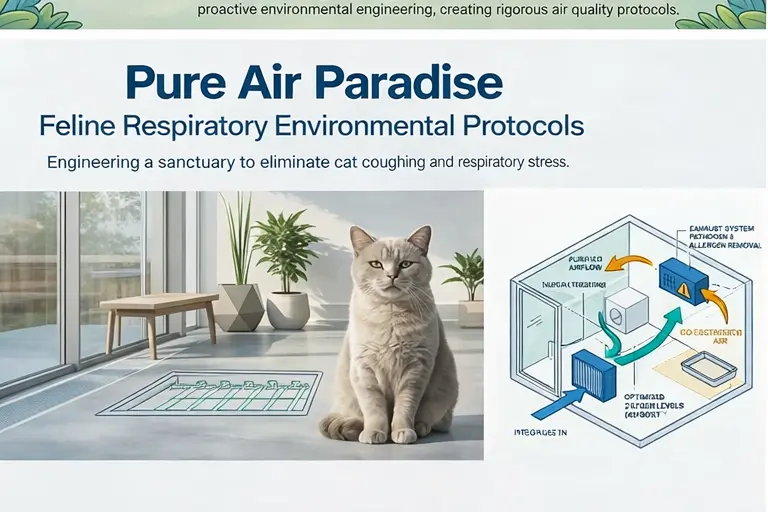
Particulate Matter: A Hidden Cause of Cat Coughing
Airborne dust is one of the most persistent mechanical threats to feline respiratory health. Dust particles originate from:
- Skin dander
- Fabric fibers
- Outdoor pollutant ingress
- Litter dust
- HVAC debris
These microscopic particles bypass natural nasal filtration and settle in the lower airways, triggering inflammation. Over time, chronic exposure can lead to recurring cat coughing.
Dust-Reduction Hardware Implementation Checklist
To maintain respiratory integrity, facilities must deploy mechanical filtration systems with the following specifications:
High-Volume Placement
Install medical-grade air purifiers in high-traffic zones where particulate suspension is most concentrated.
Continuous Filtration Cycles
Operate filtration units 24/7 to prevent dust accumulation.
HEPA-Standard Maintenance
Inspect filters monthly and adhere strictly to replacement schedules to prevent efficiency loss.
Mechanical Filtration and Respiratory Burden Reduction
Air filtration acts as an external respiratory defense system. By intercepting airborne particles before inhalation, filtration units significantly reduce the burden placed on feline airways. Cat Coughing Prevention
Lower particulate exposure directly correlates with reduced inflammatory response and fewer instances of cat coughing. Instead of constantly reacting to airborne irritants, the immune system can focus on systemic stability.
Smoke-Free Environment and Atmospheric Integrity
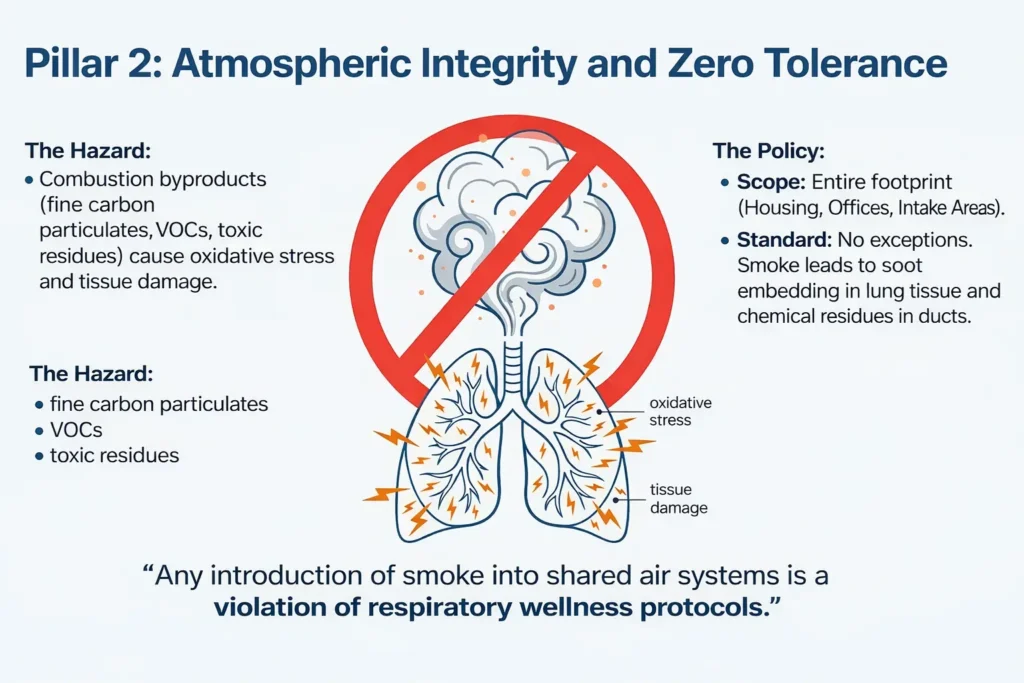
Combustion Pollutants as Severe Respiratory Triggers
Smoke exposure is one of the most damaging environmental hazards for feline respiratory health. Combustion byproducts contain:
- Fine carbon particulates
- Volatile organic compounds (VOCs)
- Toxic chemical residues
Even residual smoke odors can irritate feline lung tissue long after visible smoke dissipates. In many cases, persistent exposure leads to chronic cat coughing and oxidative stress within pulmonary structures. Cat Coughing Prevention
Zero-Tolerance Smoke Policy
PolicyScope
This directive applies to the entire facility footprint, including housing units, administrative offices, and ventilation intake areas.
Non-Negotiable Standard
There are no exceptions. Any introduction of smoke into shared air systems is a violation of respiratory wellness protocols.
Respiratory Triggers Eliminated
- Fine soot particles that embed in lung tissue
- Chemical residues that linger in air ducts
- Persistent VOCs that act as irritants
By maintaining a smoke-free environment, facilities protect feline airways from one of the most aggressive contributors to cat coughing. Cat Coughing Prevention
Hygiene and Sanitation Maintenance Protocols
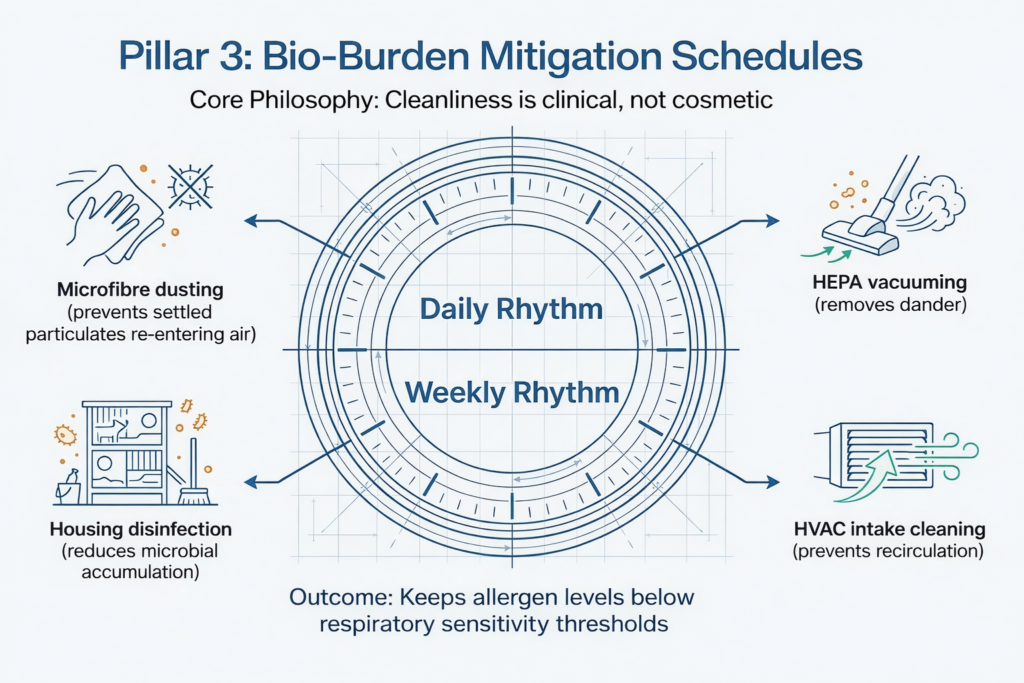
Sanitation as Preventive Respiratory Care
Cleanliness is not cosmetic—it is clinical. Dust, hair, microbial agents, and organic debris accumulate daily. Without structured cleaning protocols, allergen concentration rises, increasing the likelihood of respiratory episodes and cat coughing. Cat Coughing Prevention
Structured Cleaning Schedule
MicrofiberDusting (Daily)
Prevents settled particulates from re-entering the breathing zone.
HEPA Vacuuming (Daily)
Removes hair and dander from porous surfaces.
Housing Disinfection (Weekly)
Reduces microbial accumulation within micro-environments.
HVACIntakeCleaning (Weekly)
Prevents contaminated air recirculation.
Biological Load Management
When sanitation protocols are consistent, allergen levels remain below respiratory sensitivity thresholds.
This proactive strategy prevents the airway hyper-reactivity commonly associated with cat coughing. Cat Coughing Prevention
A clean facility is not simply visually appealing—it is biologically protective.
Substrate Selection: Low-Dust Litter Management
Litter Dust and Its Impact on Cat Coughing
Traditional clay-based litter often releases silica dust clouds during use. Because litter boxes are enclosed spaces, cats inhale high concentrations of dust during digging and burying behaviors.
This localized exposure is a frequent but overlooked cause of cat coughing.
Substrate Procurement Standards
Low-Dust Certification
Only purchase litter products that are independently tested and certified as low-dust.
Structural Integrity Requirement
Select substrates that resist breakdown into fine particulate powder.
Mandatory Non-Scented Standard
Avoid perfumed or deodorized litter products to reduce chemical irritation.
Micro-Environment Protection
Litter selection directly influences the quality of the feline’s immediate breathing zone. By mandating low-dust, unscented substrates, facilities eliminate a primary source of localized respiratory irritation. Cat Coughing Prevention
This simple procurement decision can significantly reduce chronic cat coughing incidents.
Atmospheric Control and Proper Ventilation
Why Air Movement Matters
Even in a clean facility, stagnant air allows irritants to concentrate. Without active airflow management, dust and allergens settle into dense pockets.
Poor ventilation increases the risk of:
- Trigger accumulation
- Elevated particulate concentration
- Persistent odor retention
- Increased cat coughing episodes
Ventilation Standards
TriggerDilution
Continuous fresh air introduction keeps allergen concentration below sensitivity thresholds.
Pollutant Displacement
Directional airflow pushes contaminants toward exhaust or filtration systems.
Stagnant Zon Elimination
Cross-ventilation cycles prevent the formation of high-density particulate areas.
Dynamic airflow ensures that pollutants do not remain suspended long enough to irritate respiratory tissue. Cat Coughing Prevention
Optimized Feline Environment Checklist
| Target Trigger | Operational Solution |
| Airborne Particulates | HEPA filtration and daily microfiber dusting |
| Combustion Byproducts | Zero-Tolerance Smoke Policy |
| Litter Dust | Certified low-dust substrate use |
| Allergen Accumulation | Structured sanitation cycles |
| Atmospheric Stagnation | Cross-ventilation and exhaust maintenance |
The Broader Impact: From Environmental Control to Clinical Stability
Environmental management directly influences clinical outcomes. Facilities that prioritize air purity report measurable reductions in respiratory symptoms, including wheezing and cat coughing.
When environmental triggers are eliminated:
- Immune stress decreases
- Inflammation subsides
- Respiratory efficiency improves
- Behavioral comfort increases
A Pure Air Paradise is not theoretical—it is operationally achievable through structured protocol adherence.
Conclusion: Engineering a Sanctuary Free from Cat Coughing
The rigorous application of standardized environmental protocols results in measurable respiratory stability. By integrating:
- High-efficiency air filtration
- Strict smoke-free policies
- Clinical sanitation practices
- Low-dust litter management
- Dynamic ventilation systems
A facility transforms into a true respiratory sanctuary.
Cat coughing should never be dismissed as minor or incidental. It is often the earliest indicator of environmental imbalance. By shifting from reactive treatment to proactive environmental engineering, facilities protect feline lung health at its source.
In a properly managed environment, respiratory wellness becomes the standard—not the exception.
Through disciplined implementation of these strategies, feline care environments can achieve optimal indoor air quality, reduce respiratory triggers, and significantly minimize episodes of cat coughing—ensuring every breath is clean, safe, and supportive of long-term health.
Why Is My Cat Coughing but No Hairball?
Cats can hide their illness well, so coughing without a hairball requires proper attention followed by adequate treatment.
Why Is My Cat Coughing Like Something Is in His Throat?
Sometimes coughing may look like gagging or choking due to swelling or inflammation inside the airways caused by parasites. Asthma and bronchitis are also common reasons. Foreign objects might be a reason but it rarely happens.
Will a Cat’s Cough Heal Itself?
Mild coughing, caused by dust or temporary irritation may stop within a short time. On the contrary, repeated coughing doesn’t fade away without proper treatment.
Which Medicine Is Best for Cat Cough?
It is assumed that there is a single medication for all types of coughs but treatment depends entirely on the cause and severity of the disease.