If you are a cat owner, hearing a cat coughing sound can be surprising and even worrying. Cats usually stay quiet and calm, so when they start coughing it often catches the owner’s attention.
Sometimes the sound is harmless, but in other cases it may indicate an underlying health issue.
In this detailed guide, we will explain what a cat coughing sound means, why cats cough, what the different types of coughing sounds indicate, and when you should take your cat to the vet.
What Does a Cat Coughing Sound Like?
IT can be described as a deep, dry hacking noise that may resemble gagging or retching. Many pet owners initially think their cat is trying to vomit or bring up a hairball.
Common characteristics of a cat coughing sound include:
A short hacking noise, a dry or wheezing cough, the cat stretching its neck forward, squatting close to the ground, repeated coughing episodes
Sometimes the cat coughing sound lasts only a few seconds, but other times it can continue for several minutes.
Cat Coughing Sound vs Hairball
One of the biggest confusions among cat owners is the difference between a cat coughing sound and a hairball episode.
Hairball Sound Means
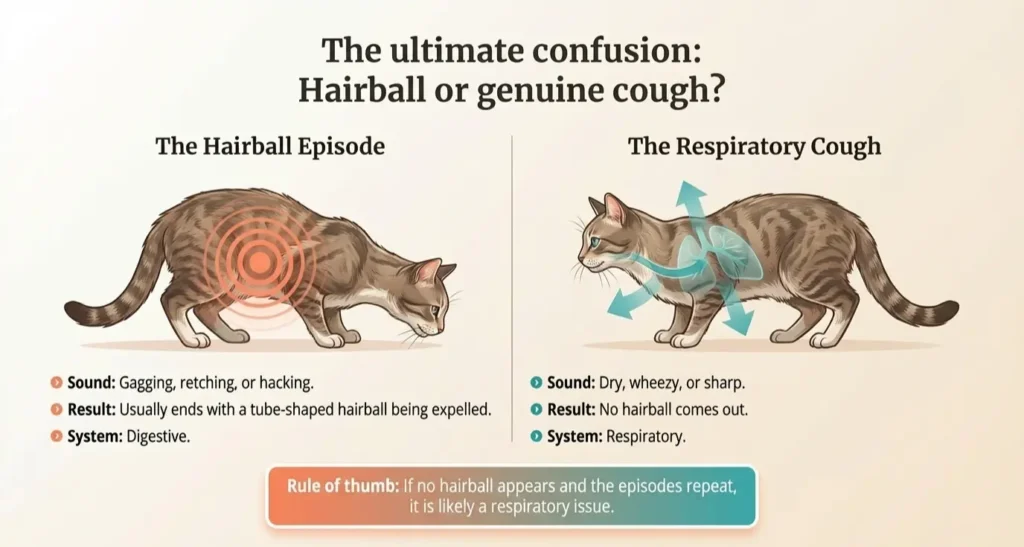
When a cat is producing a hairball, you may notice:
Gagging or retching, stomach contractions, eventually vomiting a hairball
Cat Coughing Sound
However, when a cat is coughing:
No hairball comes out, the sound is more like a dry cough, the chest moves rapidly, and the cat may appear uncomfortable
Many owners search online about cat coughing but no hairball because the symptoms look similar. If your cat repeatedly makes a cat coughing sound without producing a hairball, it could indicate a respiratory problem.
Common Causes of Cat Coughing Sound
There are several possible reasons why your cat may produce a coughing sound. Some are minor, while others may require veterinary attention.
Cat Asthma
One of the most common causes of a cat coughing sound is feline asthma. This condition affects the airways and causes inflammation.
Symptoms of cat asthma include:
Wheezing, frequent coughing, rapid breathing, difficulty breathing
During an asthma attack, the cat coughing sound can become intense and repetitive.
Respiratory Infections
Respiratory infections can also cause a cat coughing sound. Signs of infection include:
Sneezing, runny nose, fever, lethargy, persistent cat coughing sound
If the cough continues for several days, it is important to consult a veterinarian.
Allergies boast coughing
Cats can develop allergies to dust, smoke, pollen, or strong fragrances. When exposed to allergens, a cat may develop a cat coughing .
Possible allergy triggers include:
Dusty litter, Cigarette smoke, Air fresheners, cleaning chemicals
If allergies are the cause, removing the trigger may reduce the cat coughing sound.
Hairballs coughing
Hairballs are still a common cause of coughing-like noises. Cats groom themselves frequently, which leads to swallowing loose hair.
Sometimes the hair irritates the throat and creates a coughing sound before the hairball is expelled.
Parasites common cause
Lungworms and other parasites can cause a cat coughing sound. These parasites affect the respiratory system and can lead to chronic coughing.
Other symptoms may include: Weight loss, Low energy, Difficulty breathing
Parasite infections require veterinary treatment.
Why Is My Cat Coughing Like Something Is Stuck in His Throat?
Many owners worry when their cat makes a cat coughing sound that seems like something is stuck in the throat. This posture usually involves the cat stretching its neck forward and coughing repeatedly.
Possible reasons include: Asthma, Airway irritation, a foreign object, Respiratory infection
If your cat frequently coughs in this way, it is best to schedule a vet visit.
When Should You Be Concerned Cat Coughing?
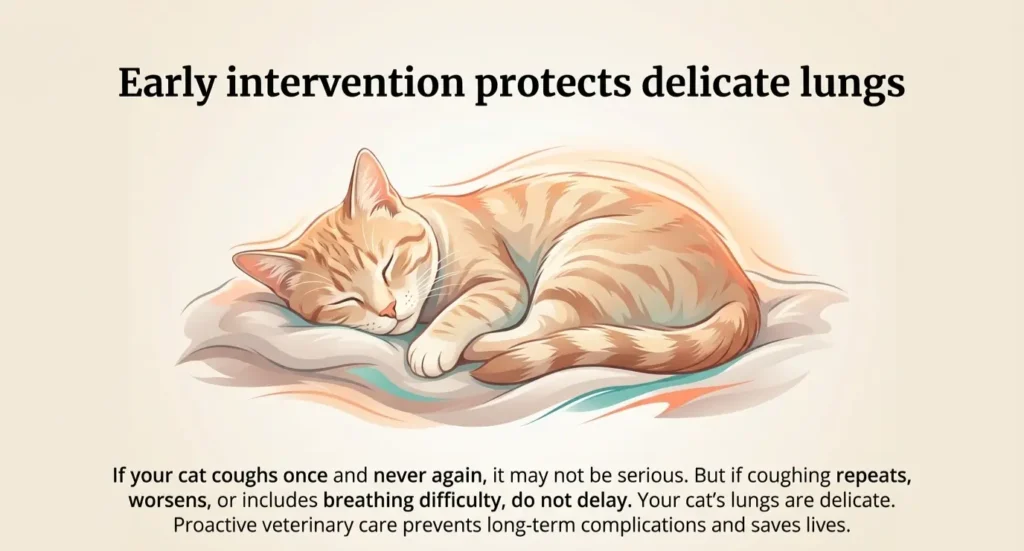
An occasional cat coughing may not be dangerous.
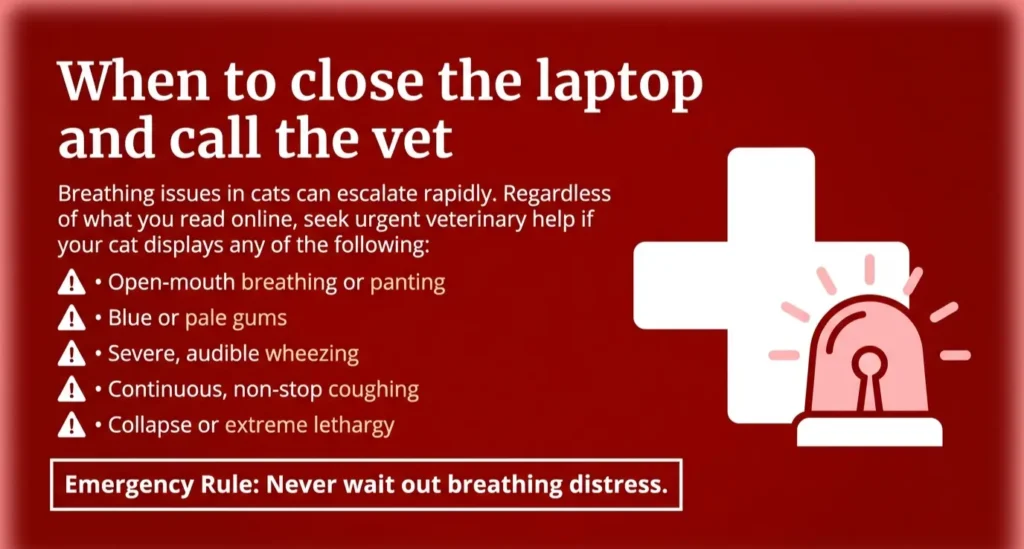
You should contact a veterinarian if:
The cat coughing sound happens frequently, the cough lasts more than a few days, your cat struggles to breathe, there is wheezing or blue gums, your cat becomes lethargic, the coughing episodes become severe
Early diagnosis can prevent serious complications.
Cat Coughing Sound Diagnosis
When you visit the vet, they will try to determine the cause of the coughing sound.
Common diagnostic methods include:
- Physical examination
- Chest X-rays
- Blood tests
- Bronchoscopy (in severe cases)
These tests help identify the exact cause of the cat coughing and guide proper treatment.
Cat Coughing Treatment
The treatment for a cat coughing sound depends on the underlying cause.
Asthma Cure
Cats with asthma may require: Inhalers, Steroid medications, Anti-inflammatory drugs
Infection Treatment
Respiratory infections may be treated with:
Antibiotics, Antiviral medications, Supportive care are the best treatments regarding Infection cure.
Allergy Treatment
The vet may recommend:
- Changing litter
- Air purification
- Anti-allergy medication
Parasite Treatment
If parasites cause the cat coughing sound, deworming medication is usually prescribed.
How to Prevent Cat Coughing Sound
While not all cases are preventable, you can reduce the chances of a cat coughing by maintaining a healthy environment.
Helpful prevention tips include:
- Keep your home dust-free
- Groom your cat regularly
- Maintain parasite prevention treatments
A clean and safe environment can significantly reduce respiratory problems.
What People Discuss About Cat Coughing Online
Many pet owners search online about cat coughing to understand what their pet is experiencing. Platforms like forums and communities often reveal common concerns.
Some frequently discussed topics include:
Confusing coughing with hairballs, Delayed diagnosis of asthma, Environmental triggers, Home remedies vs vet treatment.
While online discussions can be helpful, professional veterinary advice is always the safest option.

Conclusion
Hearing a cat coughing sound can be alarming, but understanding the possible causes helps you respond appropriately. Sometimes the cough may be harmless, such as a hairball, but it can also signal conditions like asthma, allergies, or infections.
If the cat coughing becomes frequent or severe, seeking veterinary care is the best decision. Early diagnosis and proper treatment can keep your cat healthy and comfortable.
By paying attention to your cat’s behavior and maintaining a clean environment, you can reduce the chances of respiratory problems and ensure your feline companion stays happy and safe.