Coughing in cats can be surprising and sometimes alarming for pet owners. While cats occasionally cough when trying to clear their throat or pass a hairball, frequent coughing may indicate an underlying health problem.
Understanding the possible causes and learning about cat coughing treatment can help you protect your pet’s health and respond quickly when symptoms appear. Early recognition and proper care often make a significant difference in preventing serious respiratory complications.
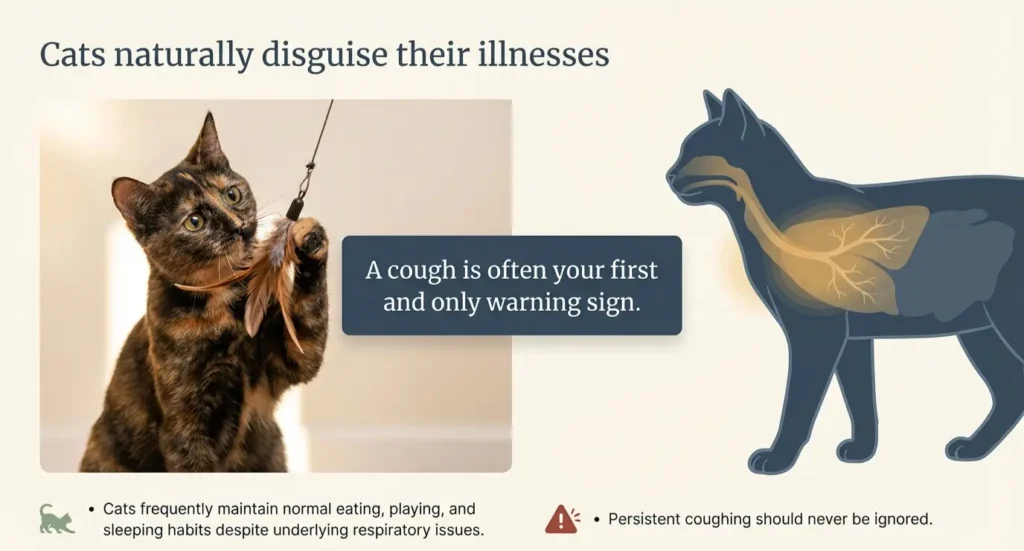
Cats usually hide signs of illness, which means coughing can sometimes be one of the first noticeable symptoms that something is wrong. In many cases, a cat may cough but still behave normally eating, playing, and sleeping as usual.
However, persistent coughing should not be ignored because it may be linked to conditions such as asthma, respiratory infections, allergies, parasites, or hairballs. Identifying the reason behind the cough is the first step toward effective cat coughing treatment.
Understanding What Cat Coughing Looks Like
Cat coughing often sounds different from human coughing. It may resemble gagging, wheezing, or a hacking sound. Some cats stretch their neck forward and crouch low to the ground while coughing. These episodes may last only a few seconds but can occur repeatedly if an underlying problem is present.
Pet owners sometimes confuse coughing with vomiting or hairball regurgitation. However, coughing usually involves a dry or wheezing sound rather than bringing up food. Recognizing the difference can help determine whether your cat needs observation at home or professional cat coughing treatment from a veterinarian.
Common Causes of Cat Coughing
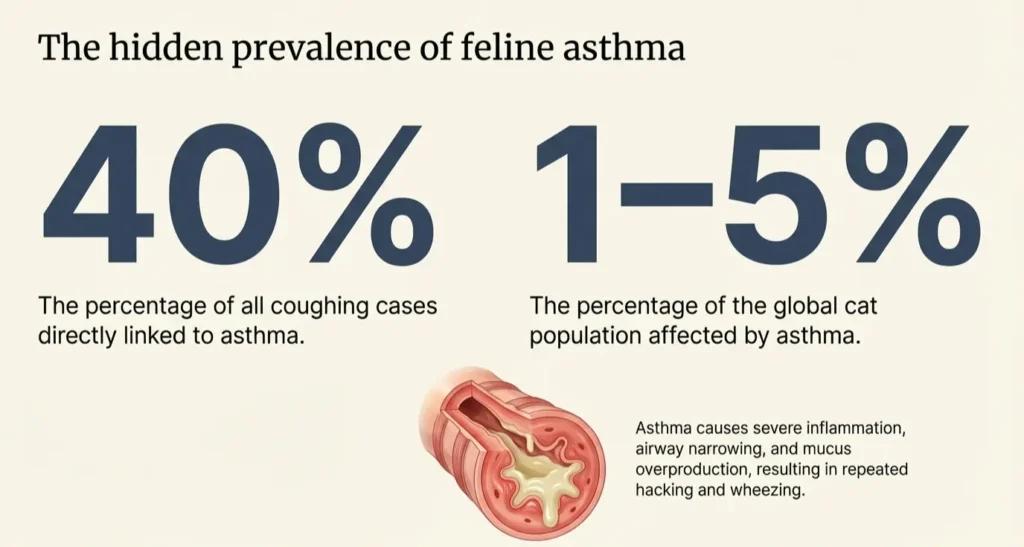
Several medical conditions can lead to coughing in cats. The most common cause is feline asthma, a respiratory disease that causes inflammation and narrowing of the airways. When a cat experiences asthma, the airways become irritated and produce mucus, making breathing difficult. Asthma-related coughing often appears as repeated hacking or wheezing episodes.
Another common cause is hairballs. Because cats groom themselves frequently, they swallow loose fur that can accumulate in the stomach. When the body attempts to expel this fur, the cat may cough or gag. In these cases, simple grooming routines and dietary adjustments can be part of mild cat coughing treatment.
Respiratory infections are also a frequent trigger of coughing in cats. Viral and bacterial infections can irritate the respiratory tract, leading to coughing, sneezing, nasal discharge, and reduced appetite. Infections may require antibiotics or supportive care prescribed by a veterinarian.
Environmental irritants can also affect a cat’s respiratory system. Smoke, dust, strong perfumes, and cleaning chemicals may trigger coughing episodes in sensitive cats. Reducing exposure to these irritants can often improve symptoms and support ongoing cat coughing treatment.
Parasites such as lungworms or heartworms are less common but still possible causes. These parasites can damage the lungs and cause chronic coughing. Veterinary diagnosis and parasite treatment are necessary in such cases.
Cat Coughing Causes and Frequency
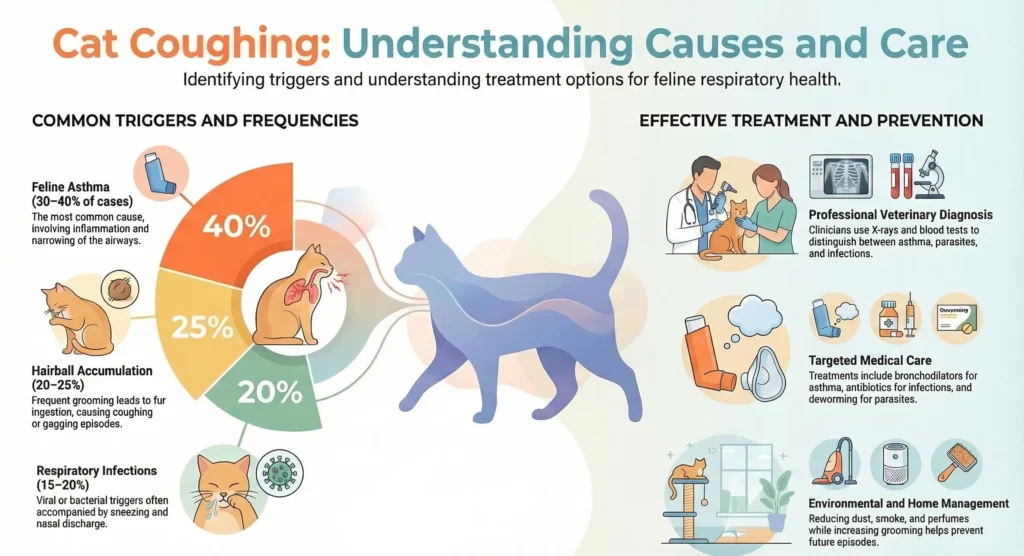
The following table highlights some of the most common causes of coughing in cats and their approximate frequency according to veterinary observations.
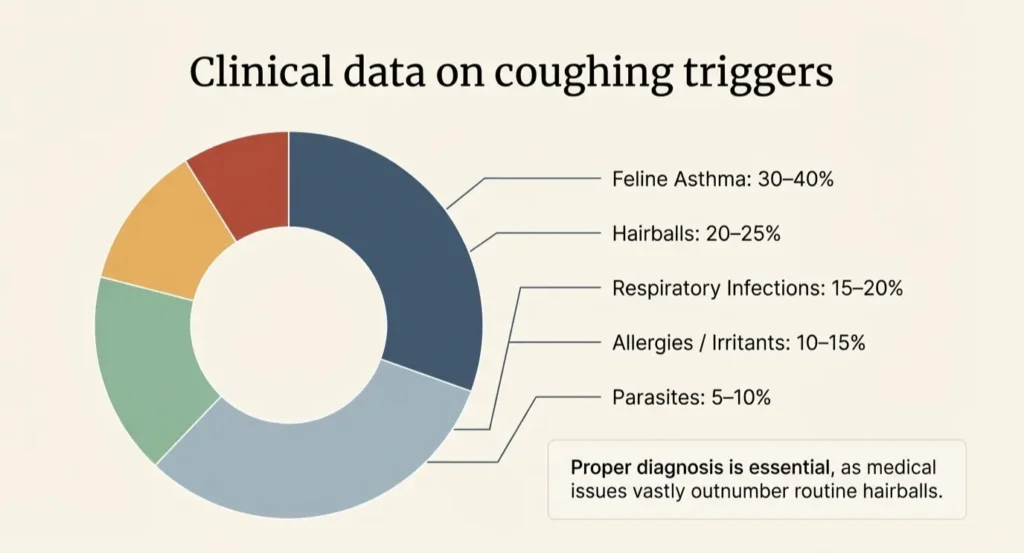
This table shows that asthma and hairballs are among the most frequent triggers, which is why proper diagnosis is essential for choosing the right cat coughing treatment.
Effective Cat Coughing Treatment Options
Treatment for coughing in cats depends on the root cause of the problem. Veterinarians typically perform a physical examination and may recommend diagnostic tests such as X-rays, blood tests, or parasite screening to determine the cause.
For cats diagnosed with asthma, treatment may include bronchodilators and anti-inflammatory medications to open the airways and reduce swelling. In many cases, inhalers designed specifically for pets are used as part of long-term cat coughing treatment.
If a bacterial infection is responsible, antibiotics are often prescribed. These medications help eliminate the infection and allow the respiratory system to recover. Viral infections, on the other hand, may require supportive care, including hydration, rest, and immune support.
Hairball-related coughing can often be managed through regular grooming and specialized diets. Brushing your cat frequently helps remove loose fur before it is swallowed. Hairball-control foods and vet-approved supplements can also help move fur through the digestive tract more easily.
Environmental management is another important part of cat coughing treatment. Keeping your home clean, reducing dust levels, and avoiding smoke or strong fragrances can significantly improve respiratory health for sensitive cats.
Cat Coughing Treatment Methods
Below is a simple overview of common treatment approaches used for coughing cats.
| Treatment Method | Purpose When Used | Issues |
| Bronchodilators | Open airways for easier breathing | Asthma |
| Steroids | Reduce airway inflammation | Chronic respiratory issues |
| Antibiotics | Treat bacterial infections | Respiratory infections |
| Deworming | Medication Remove parasites | Lungworms or heartworms |
| Grooming & Hairball Diet | Reduce swallowed fur | Hairball-related coughing |
These treatment options highlight how important it is to identify the exact cause before starting any cat coughing treatment.
Veterinary Statistics on Cat Coughing
Research and veterinary reports provide useful insights into how common coughing problems are in cats. The info graphic style summary below highlights some key statistics.
Cat Respiratory Health Statistics Percentage
| Cats affected by asthma worldwide | 1–5% |
| Coughing cases linked to asthma | 40% |
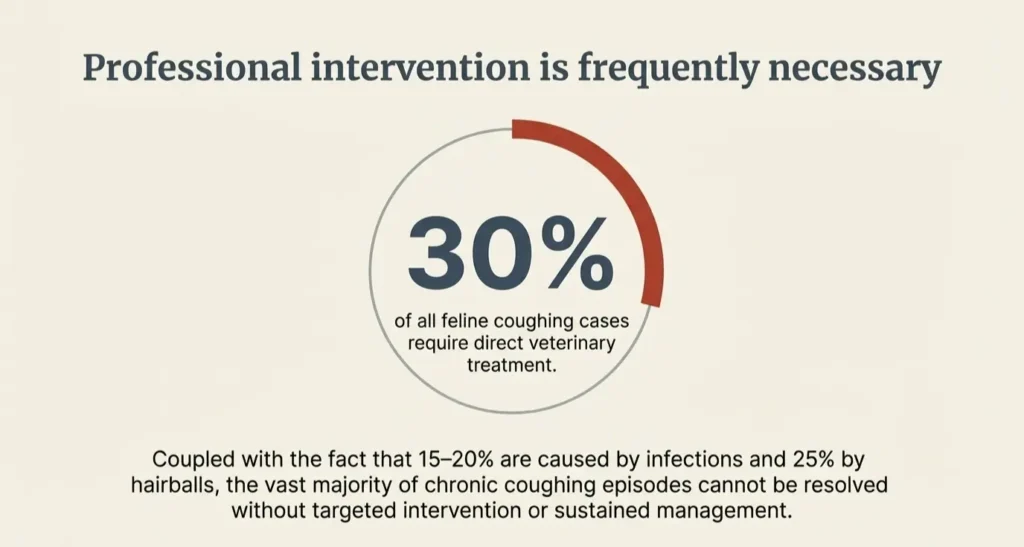
| Respiratory infections in cats | 15–20% |
| Hairball-related coughing episodes | 25% |
| Cases requiring veterinary treatment | 30% |
These statistics demonstrate that respiratory issues are relatively common in cats and often require careful monitoring.
Home Care and Monitoring
In mild cases where coughing occurs only occasionally, pet owners may monitor their cats at home. Observing the frequency and duration of coughing episodes can help determine whether the issue is temporary or persistent.
Make note of important details such as how often your cat coughs, whether the cough sounds dry or wet, and whether other symptoms appear. Changes in appetite, energy level, or breathing patterns should also be monitored. While home observation can help, it should not replace proper cat coughing treatment if symptoms worsen.
Providing a calm and clean environment can also support recovery. Fresh water, balanced nutrition, and stress-free surroundings help strengthen a cat’s immune system and improve overall health.
When to Visit a Veterinarian
Although occasional coughing may not always indicate a serious problem, some signs require immediate veterinary attention. If your cat coughs frequently, struggles to breathe, or appears weak or lethargic, professional medical care is necessary.
Cats that stop eating, show rapid breathing, or cough with mucus or blood should be examined by a veterinarian as soon as possible. Early diagnosis ensures the correct cat coughing treatment is provided before the condition becomes more serious.
Preventing Future Coughing Episodes
Prevention plays an important role in maintaining a cat’s respiratory health. Regular veterinary checkups can detect early signs of illness before symptoms become severe. Vaccinations and parasite prevention programs also reduce the risk of respiratory diseases.
Maintaining a clean indoor environment, minimizing dust and smoke exposure, and grooming your cat regularly can further reduce the likelihood of coughing problems. These preventive measures not only protect your pet but also decrease the need for frequent cat coughing treatment in the future.
What is the best cat coughing treatment?
The best cat coughing treatment depends on the underlying cause. Veterinarians may recommend medications such as antibiotics, bronchodilators, or anti-inflammatory drugs. Proper diagnosis is important to ensure the most effective treatment.
Can cat coughing be treated at home?
Mild coughing caused by hairballs or minor irritation may improve with home care. Regular grooming, a clean environment, and proper hydration can help. However, persistent symptoms may require professional cat coughing treatment from a veterinarian.
When should I see a vet for cat coughing treatment?
You should see a veterinarian if your cat coughs frequently or shows difficulty breathing. Other warning signs include lethargy, loss of appetite, or continuous coughing. Early cat coughing treatment can prevent more serious health problems.
Can hairballs cause coughing in cats?
Yes, hairballs are a common reason for occasional coughing in cats. When cats swallow fur during grooming, it may trigger coughing or gagging. Hairball-control diets and grooming can help reduce the need for cat coughing treatment.
Is feline asthma related to cat coughing?
It occurs when the airways become inflamed and narrow. Long-term cat coughing treatment for asthma often includes inhalers or anti-inflammatory medications.
How can I prevent coughing problems in my cat?
Preventing coughing involves regular veterinary checkups and parasite prevention. Keeping your home free from dust and smoke can also improve respiratory health. These steps can reduce the chances of needing frequent cat coughing treatment.
Conclusion
Coughing in cats should always be taken seriously, especially if it occurs repeatedly. While hairballs and mild irritations can sometimes cause temporary coughing, persistent symptoms may signal asthma, infections, allergies, or parasites.
Understanding the causes and recognizing early warning signs can help pet owners respond quickly and seek appropriate cat coughing treatment.
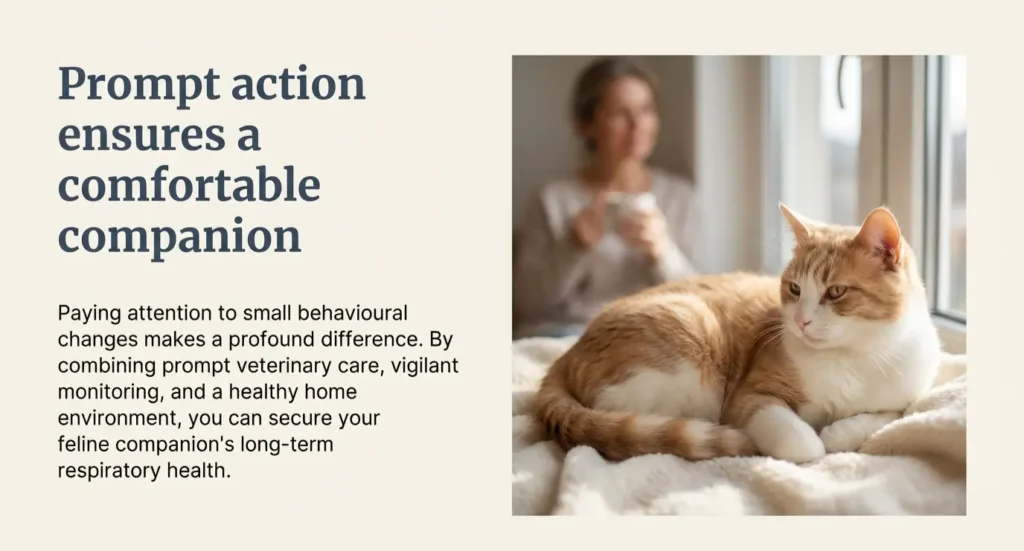
By combining proper veterinary care, a healthy home environment, and regular monitoring, you can help ensure your cat stays comfortable and healthy. Paying attention to even small changes in behavior can make a big difference in protecting your feline companion’s respiratory health.