For When Your Cat Has a Cough: The Most Important Tips
Cat coughing worries many pet owners. However, quick action can prevent serious complications. Therefore, understanding symptoms helps you protect your pet. Moreover, early care improves recovery chances significantly.
This guide shares practical advice about cat coughing. Additionally, it explains causes, treatments, and prevention strategies. Consequently, you will feel confident handling this situation.
Common Causes of Cat Coughing
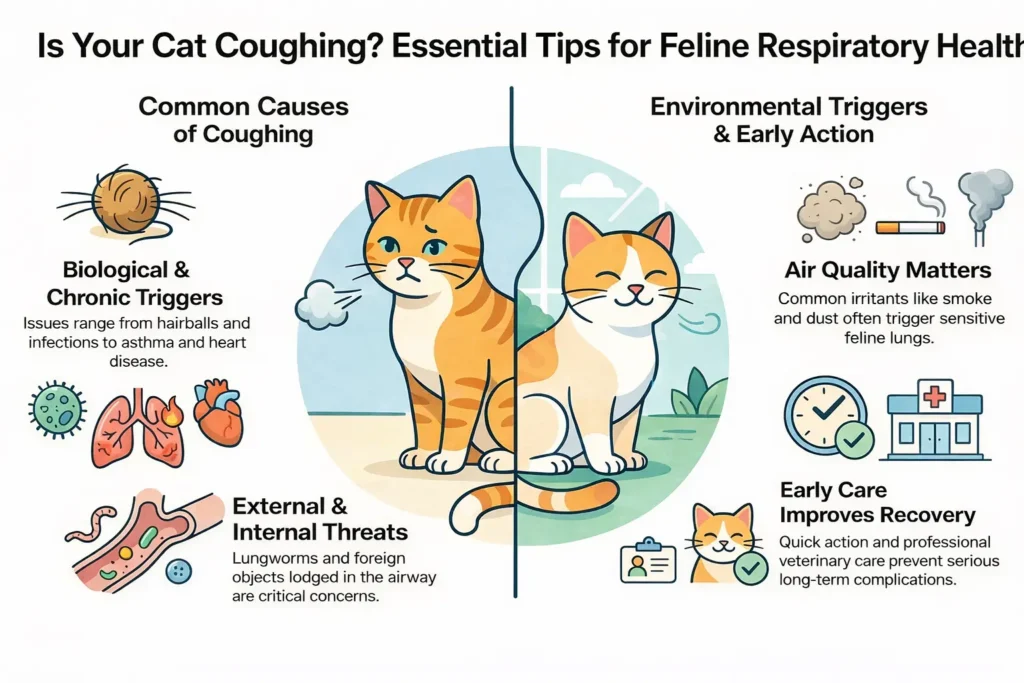
Cats cough for several reasons. Sometimes the cause is minor. However, certain conditions require veterinary care.
Primary causes include: Hairballs irritating the throat, Respiratory infections, Allergies or asthma Parasites such as lungworms, Heart disease, Foreign objects in airways
Furthermore, environmental irritants often trigger coughing episodes. For instance, smoke or dust may irritate sensitive lungs. Common Causes of Cat Coughing
Symptoms That Require Attention
Recognizing symptoms quickly matters greatly. Therefore, observe your cat closely during coughing episodes.
Important warning signs include: Persistent coughing lasting more than two days, Wheezing or breathing difficulty, Nasal discharge, Lethargy or reduced appetite, Blue or pale gums, Fever.
Additionally, coughing with gagging may resemble hairball behavior. However, repeated episodes indicate potential illness.
What to Do Immediately When Your Cat Is Coughing
First, remain calm and observe carefully. Then check your cat’s breathing pattern.
Follow these steps:
Remove potential irritants from the environment.
Provide fresh water immediately.
Keep your cat in a quiet area.
Monitor symptoms for changes.
Contact a veterinarian if symptoms worsen.
Meanwhile, avoid giving human medications. Such treatments may harm cats severely.
When to Visit the Veterinarian
Some situations require urgent professional care. Therefore, never delay medical consultation in serious cases. Seek veterinary help if: Coughing persists beyond 48 hours, your cat struggles to breathe, there is coughing with blood, Energy levels drop dramatically, Appetite disappears completely
Consequently, early diagnosis prevents complications. Moreover, treatment becomes more effective. Common Causes of Cat Coughing
Treatment Options for Cat Coughing
Treatment depends on the cause. Therefore, veterinary diagnosis remains essential.
Possible treatments include:
Antibiotics for bacterial infections
Anti-inflammatory medications
Bronchodilators for asthma
Deworming medication
Oxygen therapy in severe cases
Additionally, supportive care improves comfort. For example, humidifiers help soothe irritated airways.
Home Care Tips for Mild Cat Coughing
Mild symptoms sometimes improve with home support. However, always monitor progress carefully.
Helpful home care tips: Maintain clean air indoors, Use dust-free litter, Provide balanced nutrition
Encourage hydration, Reduce stress triggers
Furthermore, grooming reduces hairball formation. Consequently, coughing frequency may decrease. Common Causes of Cat Coughing
Preventing Cat Coughing Episodes
Prevention remains the best strategy. Therefore, consistent care protects respiratory health.
Prevention strategies include: Regular veterinary checkups, Vaccinations against respiratory diseases
Parasite prevention treatments, Clean living environments High-quality diet. Moreover, avoiding smoke exposure reduces lung irritation significantly.
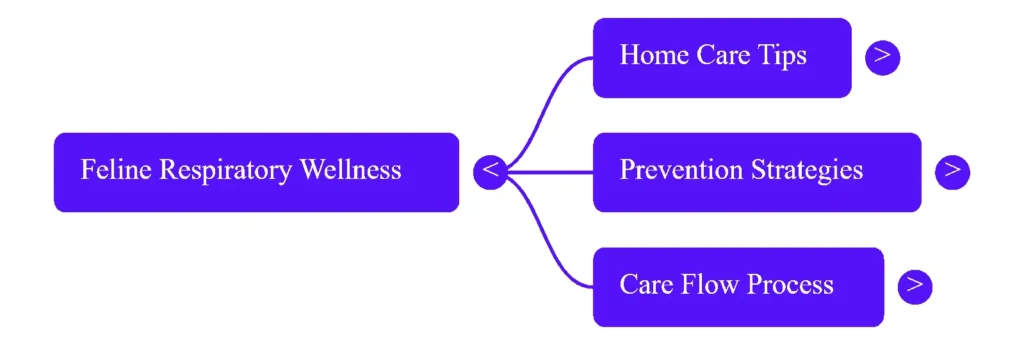
CAT COUGHING CARE FLOW
Symptoms → Observe Duration → Remove Irritants → Monitor Breathing → Vet Visit if Persistent → Treatment → Prevention
Key Prevention Points
- Clean Air
- Balanced Diet
- Parasite Control
- Regular Vet Checks
- Stress Reduction
Common Causes of Cat Coughing
Hairballs ███████████ 30%
Respiratory Infection██████████ 25%
Asthma/Allergies █████████ 20%
Parasites ██████ 12%
Heart Disease ████ 8%
Foreign Objects ███ 5%
Symptoms and Possible Causes
| Symptom | Possible Cause | Action Needed |
| Dry cough | Asthma or irritation | Monitor and consult vet |
| Wet cough | Infection | Veterinary treatment |
| Gagging with cough | Hairballs | Grooming and diet support |
| Wheezing | Respiratory disease | Immediate vet visit |
| Lethargy with cough | Infection or heart issue | Urgent medical check |
| Persistent coughing | Chronic illness | Diagnostic testing |
Home Remedies vs. Veterinary Care
Situation Home Care Suitable Vet Required
Occasional cough Yes No
Mild hairball coughs Yes No
Persistent cough No Yes
Breathing difficulty No Yes
Fever present No Yes
Appetite loss No Yes
Nutrition Tips to Support Recovery
Proper nutrition strengthens immunity. Therefore, diet plays an important role.
Recommended nutrition tips: High-protein meals support tissue repair
Omega-3 fatty acids reduce inflammation, Wet food improves hydration, and Hairball control formulas help digestion. Additionally, fresh water must remain available always.
Environmental Improvements for Respiratory Health
Your home environment affects breathing quality. Therefore, simple changes create major benefits.
Helpful adjustments include:
Air purifiers for dust reduction
Smoke-free indoor areas
Regular cleaning routines
Low-dust cat litter
Proper ventilation
Consequently, cats experience fewer respiratory triggers.
Stress and Cat Coughing Connection
Stress impacts immune function strongly. Therefore, anxious cats may develop health issues faster. Common Causes of Cat Coughing
Reduce stress by: Providing safe resting spaces, maintaining routine schedules, offering enrichment toys
Minimizing loud noises. Moreover, calm environments support faster recovery.
Monitoring Recovery Progress
Tracking improvement helps detect problems early. Therefore, observe daily changes carefully. Monitor these factors: Frequency of coughing, Energy levels, Appetite patterns, Breathing effort, Sleeping behavior. Additionally, note any new symptoms immediately.
Long-Term Management for Chronic Conditions
Some cats develop chronic respiratory diseases. However, proper management ensures good quality of life.
Long-term care includes: Regular medications, Routine veterinary visits, Trigger avoidance, Weight management, Nutritional support.
Consequently, many cats live comfortably despite chronic issues. Common Causes of Cat Coughing
Conclusion: Caring for Your Cat When It Incorporates a Hack
Cat hacking can be stressful for any pet owner, but it is not continuously cruel; there’s a genuine issue. Still, it is vital to get to the possible causes and observe your cat.
Coughing may happen due to hairballs, mellow diseases, sensitivities, or clean within the environment.
In any case, it can also be connected to more genuine conditions such as asthma, parasites, or heart infection. Because of this, you ought to continuously pay attention when your cat hacks and take note of any changes in its behavior or well-being.
Early activity is exceptionally imperative. In case the hack is gentle, you’ll begin by expelling irritants like smoke or dirt and making sure beyond any doubt your cat has new water, legitimate nourishment, and a calm place to rest.
But in the event that the hacking proceeds for more than two days, or your cat shows signs like difficulty breathing, low vitality, or loss of appetite, you ought to contact a veterinarian.
A vet can discover the genuine cause and give the correct treatment, which may include pharmaceutical or strong care.
Fast treatment frequently makes a difference for cats to recover more quickly and prevents greater well-being issues. Common Causes of Cat Coughing