Causes, Home Care, and When to Worry
If my cat keeps coughing every day, you’re probably somewhere between mild annoyance and genuine panic. A single cough here and there is usually nothing.
But when my cat keeps coughing repeatedly, gagging, or seems to be struggling for air, it’s a signal that something inside their airway, lungs, or heart needs attention.
This guide walks you through why my cat keeps coughing, what the sound actually means, home care options for mild cases, and the exact warning signs that mean you need a vet visit right now – not next week.
“Occasional, brief coughing by an otherwise healthy cat is not cause for concern, but persistent coughing or coughing along with other signs of illness… indicates a more severe problem.” – Vetster Veterinary Health Guide
Why Does My Cat Keep Coughing? Common Causes Explained
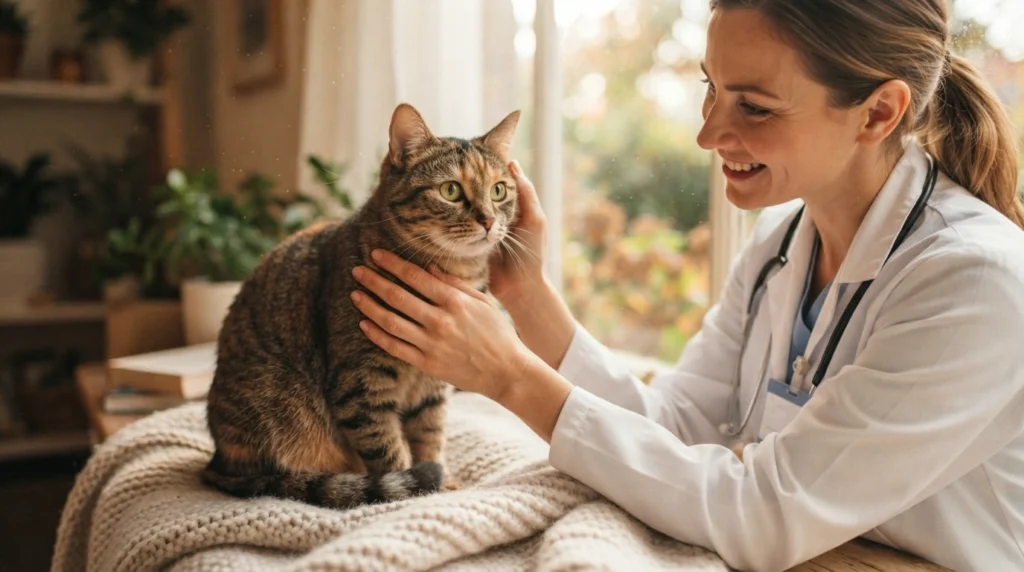
A cough is simply your cat’s body trying to clear irritation, mucus, or an obstruction from the airway. But the reason your cat keeps coughing can range from something as harmless as dust to something as serious as heart disease. Below are the most common causes veterinarians see.
Hairballs and Throat Irritation
This is the most familiar reason a cat keeps coughing. Grooming pulls loose fur into the stomach, and when it can’t pass through the digestive tract, the body tries to expel it through a hacking, retching cough that can look and sound alarming even though it’s often harmless.
Feline Asthma
Feline asthma affects roughly 1 to 5% of cats and happens when the lower airways become inflamed and constricted after exposure to an allergen such as dust, pollen, smoke, or scented litter. Cats with asthma often develop a dry, non-productive cough that can resemble a hairball attempt, along with wheezing or rapid breathing. Cats are typically diagnosed with feline asthma around 4 to 5 years of age.
Upper and Lower Respiratory Infections
Viral and bacterial infections are extremely common, especially in young cats, shelter cats, or multi-cat households. Lower respiratory infections can cause coughing, lethargy, loss of appetite, and rapid or labored breathing.
Feline herpesvirus alone infects the vast majority of cats at some point in their lives, and stress can trigger flare-ups later on.
Heartworm Disease
Heartworm disease is an underrated reason my cat keeps coughing. Even indoor cats can be infected through a single mosquito bite.
As immature heartworms travel to the lungs, they trigger a strong immune reaction called Heartworm-Associated Respiratory Disease (HARD), producing symptoms that closely mimic asthma including coughing, wheezing, and difficulty breathing. my cat keeps coughing
According to the American Heartworm Society, symptoms may include coughing, asthma-like attacks, vomiting, and appetite loss.
Foreign Objects Stuck in the Throat
Grass blades, string, small toys, or plant material can lodge in the throat or airway, leading to sudden, forceful coughing or gagging. This usually comes on abruptly and may be accompanied by pawing at the mouth or obvious distress. my cat keeps coughing
Congestive Heart Failure
In older cats, an enlarged heart can press against the airway or cause fluid to build up around the lungs, leading to coughing alongside fatigue, weight loss, or rapid breathing. The Cornell Feline Health Center lists heart failure as one of the three most common causes of respiratory distress in cats.
Pleural Effusion and Lung Disease
Fluid accumulation around the lungs (pleural effusion) restricts breathing and can trigger persistent coughing. This is considered a medical emergency and typically requires imaging and fluid drainage to confirm.
Is a Cough in Cats Normal or a Warning Sign?
Not every cough is a red flag. A cat that coughs once or twice after grooming and then goes back to eating, playing, and sleeping normally is probably fine. The concern arises when your cat keeps coughing on a recurring basis, when the cough changes in sound or frequency, or when it’s paired with other symptoms.
Ask yourself these questions:
- Is the coughing happening more than once a week?
- Does your cat seem tired, withdrawn, or less playful than usual?
- Has appetite or water intake changed?
- Is there any nasal or eye discharge?
- Does breathing look labored, even at rest?
If you answered yes to more than one of these, it’s time to schedule a veterinary exam rather than wait it out.
My Cat Keeps Coughing and Gagging What Does That Mean?
When my cat keeps coughing and gagging together, it often looks like they’re trying to vomit but nothing comes up. This combination is commonly linked to hairballs, feline asthma, or something physically irritating the throat.
Vets describe this as a “productive” versus “non-productive” cough productive coughs bring up mucus or hairball material, while non-productive coughs (typical of asthma) produce nothing at all, just repeated hacking. my cat keeps coughing
If my cat keeps coughing and gagging for more than a day or two, or if you notice blood, it’s best to have a vet examine the throat and chest rather than assume it’s just a stubborn hairball.
When Should I Take My Cat Keeps Coughing to the Vet?
Most mild, occasional coughs can be monitored at home for a short period. But certain signs mean you should seek emergency veterinary care immediately:
- Open-mouth breathing or panting cats are obligate nose breathers, so mouth breathing signals real oxygen struggle
- Blue or pale gums a sign of dangerously low oxygen levels
- Coughing up blood
- Sudden collapse or extreme lethargy
- Loud wheezing with visible chest effort
- Coughing that lasts more than a week without improvement
Not every cough is an emergency, but these symptoms signal something serious is happening and your cat needs help right now.
How Vets Diagnose Why My Cat Keeps Coughing
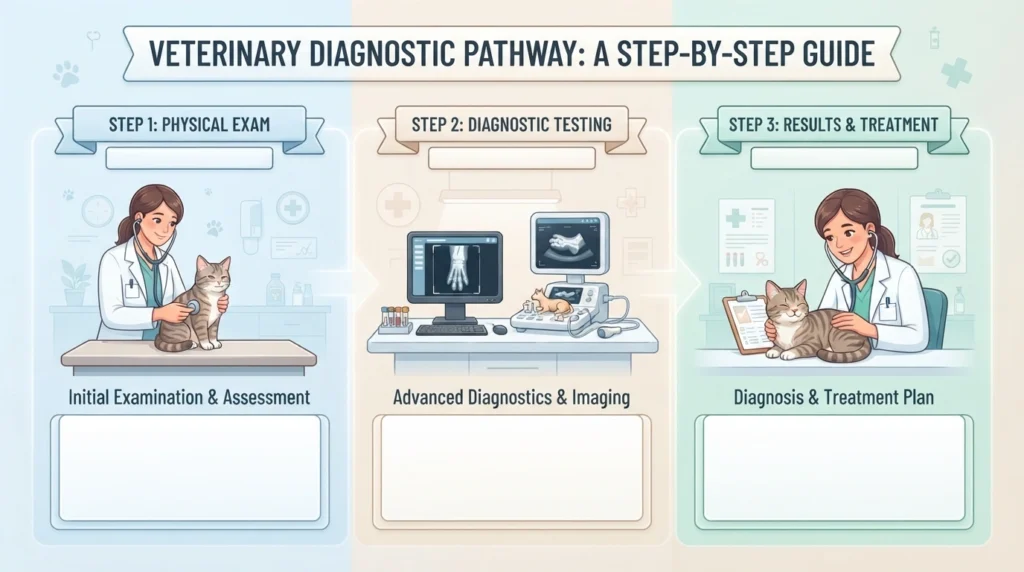
Because so many conditions share the same symptom, diagnosing why a cat keeps coughing usually involves a combination of tools rather than guesswork. A vet will typically:
- Perform a full physical exam, listening to the heart and lungs with a stethoscope
- Take chest X-rays to look for fluid, inflammation, or masses
- Run bloodwork and heartworm antigen/antibody tests
- Use endoscopy in some cases to visually inspect the airway or retrieve a foreign object
- Recommend a fecal test to rule out parasites
This step-by-step process helps separate a simple hairball issue from something like asthma, heartworm disease, or heart failure — three conditions that can look almost identical from the outside.
Home Care Tips If Your Cat Keeps Coughing Mildly
If your vet has ruled out anything serious and your cat is only coughing occasionally, a few adjustments at home can genuinely help:
- Switch to a low-dust, fragrance-free litter to reduce airborne irritants
- Use a HEPA air purifier in rooms where your cat spends the most time
- Groom your cat regularly to reduce swallowed fur and hairball frequency
- Avoid aerosol sprays, candles, and incense near your cat
- Keep a symptom diary noting when the cough happens and how often
These steps won’t cure an underlying illness, but they reduce common triggers and make it easier to notice a real change if the cough worsens.
How to Prevent Your Cat from Coughing Frequently
Prevention largely comes down to reducing airway irritants and staying current on parasite prevention. Monthly heartworm prevention is worth discussing with your vet even for strictly indoor cats, since mosquitoes can and do get inside. my cat keeps coughing
Routine grooming, hairball-control diets, and annual wellness exams that include a lung and heart check can catch problems like asthma or early heart disease before they escalate into an emergency.
FAQs About Cats Coughing
Why does my cat keep coughing but acting normal otherwise?
A cat that keeps coughing but otherwise eats, plays, and behaves normally is often dealing with a mild hairball or minor irritation. Still, it’s worth monitoring closely, since early-stage asthma or heart disease can also present this way before symptoms progress. my cat keeps coughing
Can allergies cause my cat to keep coughing?
Yes. Airborne allergens like dust, pollen, mold, and scented products are among the most common triggers of feline asthma, which produces a recurring, dry cough.
Is it normal for a cat to cough once a day?
Occasional, brief coughing in an otherwise healthy cat isn’t usually concerning. Daily coughing, however, is not considered normal and should be evaluated by a vet. my cat keeps coughing
Can stress make a cat cough more?
Indirectly, yes. Stress can trigger flare-ups of dormant feline herpesvirus, leading to upper respiratory symptoms that include coughing and sneezing.
Should I worry if my kitten keeps coughing?
Young and adolescent cats are more susceptible to respiratory infections, so a coughing kitten should be checked by a vet sooner rather than later, especially if paired with sneezing or discharge.
What does a heart-related cough sound like in cats?
A heart-related cough is often paired with fatigue, rapid breathing, or reduced appetite, and tends to appear in middle-aged to senior cats rather than kittens.
Conclusion
A cat that coughs once in a while after grooming is rarely a cause for alarm. But when your cat keeps coughing regularly, gagging without result, or showing signs of labored breathing, it’s the body’s way of flagging something deeper from asthma and infections to heartworm disease or heart failure. my cat keeps coughing
The safest approach is simple: track the pattern, rule out easy fixes like dust or scented litter, and don’t delay a vet visit if the cough sticks around or worsens. Catching the cause early almost always means an easier, less expensive path to treatment. my cat keeps coughing
References
- Cornell University College of Veterinary Medicine, Cornell Feline Health Center – Respiratory Infections:
- Cornell University College of Veterinary Medicine, Cornell Feline Health Center – Feline Asthma: What You Need To Know:
- Cornell University College of Veterinary Medicine, Cornell Feline Health Center – Heartworm in Cats:
- American Heartworm Society – Heartworm in Cats:
- Vetster – Coughing in Cats: Causes, Treatment and Associated Symptoms:
- VCA Animal Hospitals – Heartworm Disease in Cats:
- PetMD – Is Your Cat Breathing Heavily? Causes and What To Do:
- Small Door Veterinary – Asthma in Cats: