A sick cat coughing can be alarming for any pet owner. While occasional coughing might not seem serious, persistent or frequent coughing is often a sign of an underlying health issue. Understanding why your sick cat is coughing, what the symptoms mean, and when to take action is essential for protecting your cat’s health.
In this comprehensive guide, we will explore everything you need to know about a sick cat coughing, backed by veterinary literature and research based data.
What Does “Sick Cat Coughing” Mean?
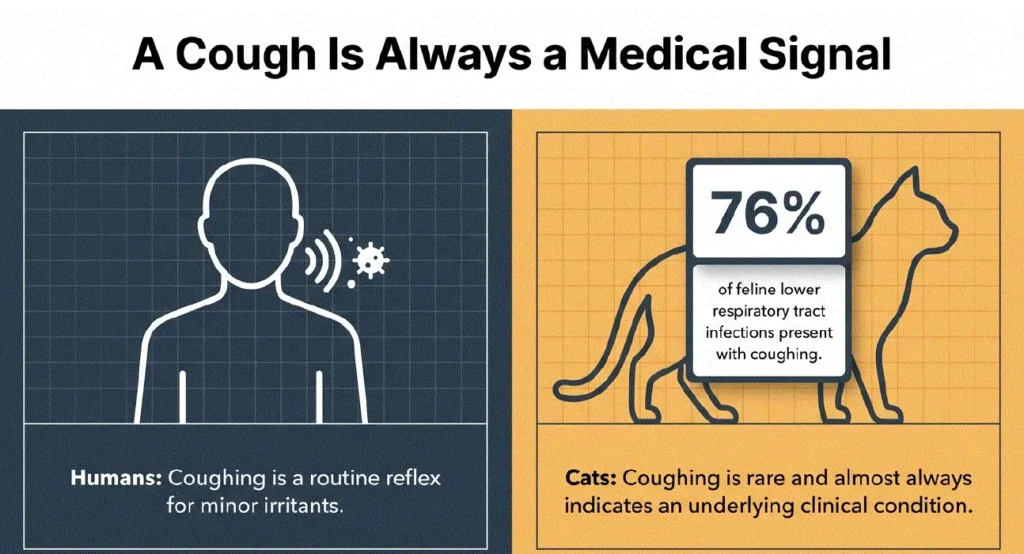
A sick cat coughing refers to a feline experiencing repeated coughing due to illness or irritation in the respiratory system. Unlike humans, cats don’t cough often so when they do, it usually signals a medical concern.
Veterinary studies show that coughing is one of the most common presenting complaints in feline respiratory diseases, appearing in up to 76% of lower respiratory tract infection cases .
Common Causes of Sick Cat Coughing
Understanding the root cause is key to treating a sick cat coughing effectively.
Respiratory Infections
Respiratory infections are the leading cause of coughing in cats.
Viral infections account for 80-90% of upper respiratory diseases
Common pathogens include:
Feline herpesvirus (FHV-1)
Feline Calicivirus (FCV)
Bacterial infections like Bordetella bronchiseptica
In one study, 45% of symptomatic cats tested positive for Calicivirus.
Feline Asthma
Feline asthma is a chronic inflammatory disease.
Characterized by: Recurrent coughing, Wheezing, Breathing difficulty.
A clinical study found that over 89% of cats with asthma showed recurrent coughing.
Lower Respiratory Tract Disease
Conditions affecting the lungs or airways can cause persistent coughing.
Research findings:
63% of coughing cases are due to inflammatory/infectious causes
24% are linked to tumors (Neoplasia)
Parasites (e.g., Heartworm)
Heartworm disease can lead to coughing in cats.
Present in 5-15% of the rate seen in dogs in endemic areas
Often underdiagnosed
Allergies and Environmental Irritants
Dust, smoke, perfumes, or pollen can trigger coughing.
These causes are especially common in indoor cats exposed to:
Air pollution, Household chemicals, Cigarette smoke.
Emerging Viral Infections
Some viruses can also cause coughing.
Example:
In a systematic review, 96.5% of infected cats showed coughing in certain viral outbreaks
Symptoms Associated with a Sick Cat Coughing
When you’re sick cat coughing is part of a larger illness, you may notice:
Wheezing or noisy breathing
Sneezing
Nasal discharge
Lethargy
Loss of appetite
Weight loss
Important: Studies show that lack of coughing does not rule out disease, meaning symptoms can vary widely.
Statistical Overview of Sick Cat Coughing
Table: Causes of Coughing in Cats (Based on Veterinary Data)
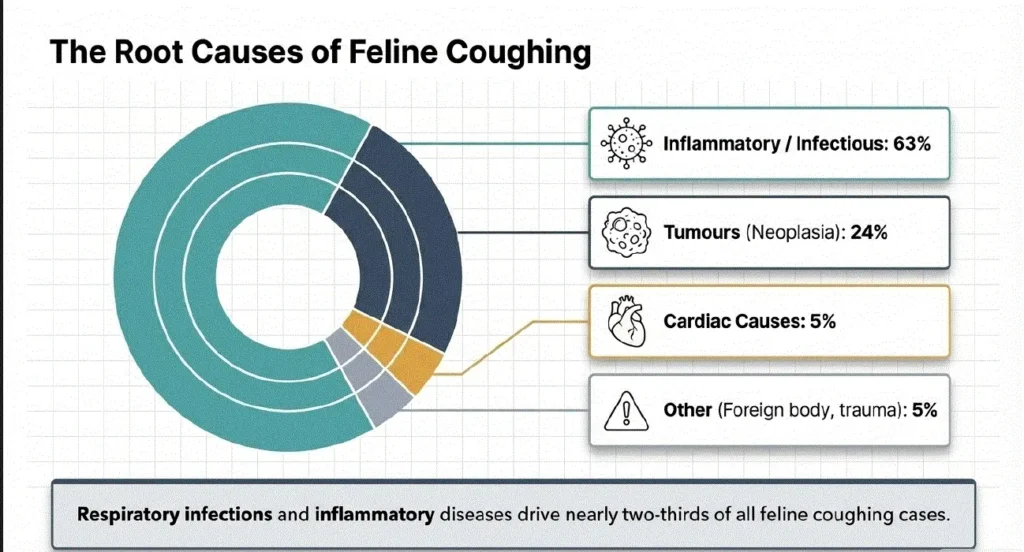
| Cause | Approximate Frequency |
| Inflammatory/Infectious | 63% |
| Tumors (Neoplasia) | 24% |
| Cardiac Causes | 5% |
| Other (Foreign body, trauma | 5% |
Source: Veterinary clinical research
Table: Pathogen Prevalence in Respiratory Disease
| Pathogen | Prevalence in Sick Cats |
| Feline Calicivirus (FCV) | 45% |
| Mycoplasma felis | 47% |
| Feline herpesvirus (FHV-1) | 20% |
| Bordetella bronchiseptica | 4-11% |
Source: Peer-reviewed veterinary studies
Infographic: Sick Cat Coughing Explained
Causes → Symptoms → Action
Causes
⬇
Infections | Asthma | Parasites | Allergies
⬇
Symptoms
⬇
Coughing | Wheezing | Lethargy | Nasal discharge
⬇
Action
⬇
Vet diagnosis → Tests → Treatment → Recovery
How to Diagnose a Sick Cat Coughing
Veterinarians use several methods:
Chest X-rays
Blood tests
Bronchoalveolar lavage
PCR testing for viruses
Diagnostic imaging (X-rays/CT) is used in over 70% of cases .
Treatment Options for Sick Cat Coughing
Treatment depends on the cause:
Infections
Antibiotics (for bacterial infections)
Antivirals (in some cases)
Asthma
Corticosteroids
Bronchodilators
Parasites
Anti-parasitic medications
Environmental Causes
Air purifiers
Removing irritants
Home Care Tips for a Sick Cat Coughing
If your sick cat coughing, you can help by:
Keeping the environment clean
Avoiding smoke and strong scents
Ensuring proper hydration
Monitoring symptoms daily
Never self-medicate without veterinary advice.
When to Worry About a Sick Cat Coughing
Continuous coughing
Open-mouth breathing
Blue or pale gums
Severe lethargy
Loss of appetite for 24+ hours
Preventing Sick Cat Coughing
Prevention strategies include:
Regular vaccinations
Routine vet checkups
Parasite control
Maintaining indoor air quality
Final Thoughts on Sick Cat Coughing
A sick cat coughing is not something to ignore. While minor causes like hairballs or mild irritation may resolve on their own, persistent coughing is often linked to serious conditions such as infections, asthma, or even tumors.
Scientific studies consistently show that respiratory diseases are the leading cause of coughing in cats, making early diagnosis critical. With proper care, timely veterinary intervention, and a healthy environment, most causes of coughing can be managed effectively.
FAQs about Sick Cat Coughing
Why is my sick cat coughing but acting normal?
Your cat may have mild asthma, allergies, or early-stage infection. Even if behavior seems normal, consult a vet if coughing persists.
Is coughing in cats always serious?
Not always, but frequent or chronic coughing usually indicates an underlying issue that needs attention.
Can hairballs cause coughing?
Yes, but true coughing is different from gagging. If no hairball is produced, it may be respiratory.
How long is too long for a cat to cough?
If coughing lasts more than 2-3 days, or occurs repeatedly, veterinary evaluation is recommended.
Can indoor cats develop coughing problems?
Yes. Indoor cats can develop asthma, infections, or allergies due to environmental triggers.
What is the most common cause of a sick cat coughing?
Respiratory infections and inflammatory airway diseases are the most common causes according to veterinary research.
Can a sick cat coughing recover completely?
Yes, many conditions are treatable especially if diagnosed early