Unlike dogs, cats do not cough frequently, so when it happens; it often signals an underlying issue that needs attention. While some causes are harmless, others may require urgent veterinary care.
In this comprehensive guide, we’ll explore why is my cat coughing, the most common causes, statistical insights from veterinary literature, treatment options, and when you should worry.
Why Is My Cat Coughing? Understanding the Basics
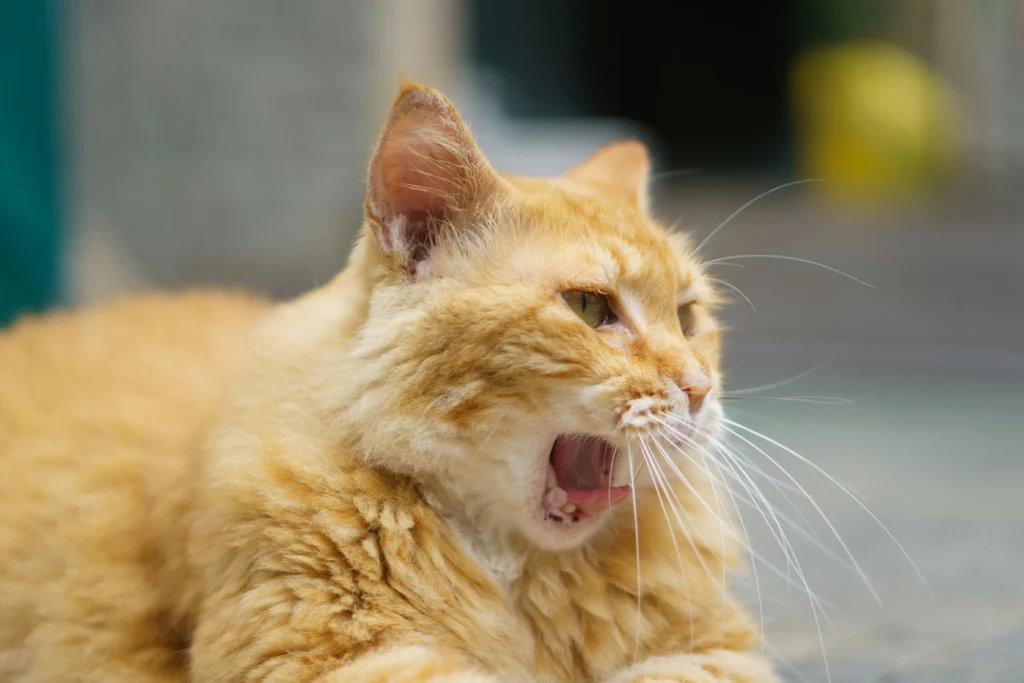
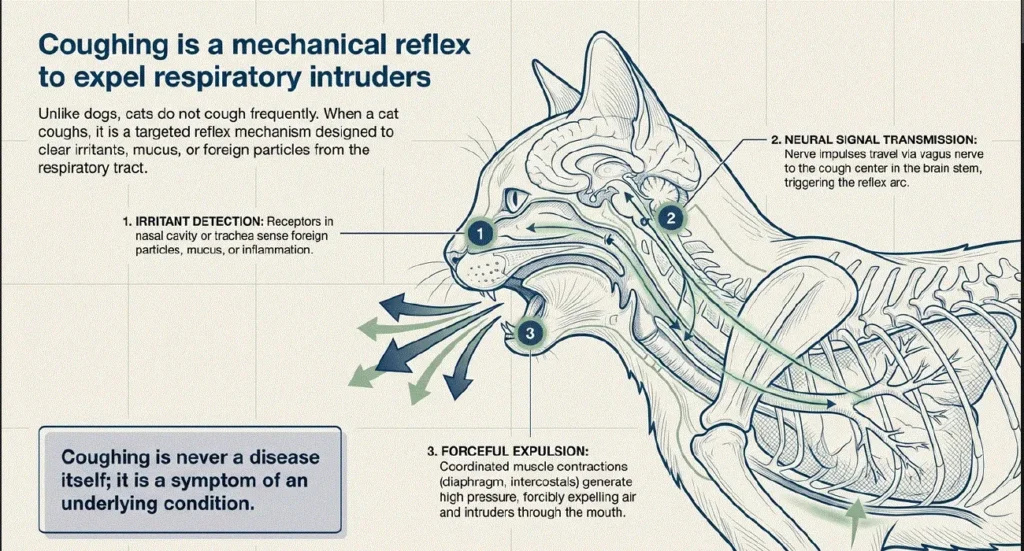
Before diving into causes, it’s important to understand what coughing actually means in cats. Coughing is a reflex mechanism that helps clear irritants, mucus, or foreign particles from the respiratory tract.
Unlike humans, cats may cough quietly or in a way that resembles gagging, making it harder for owners to recognize.
Key takeaway:
“Why is my cat coughing” is not a disease itself it’s a symptom of an underlying condition.
Common Causes of Why Is My Cat Coughing
Hairballs (Most Common Cause)
Hairballs are one of the most frequent answers to why is my cat coughing. When cats groom themselves, they ingest hair that can accumulate in the stomach.
Leads to hacking or gagging sounds
Often followed by vomiting a hairball
Usually harmless unless frequent
According to veterinary sources, hairballs are among the top non-medical causes of coughing episodes in cats.
Feline Asthma
Feline asthma is one of the leading medical reasons behind why is my cat coughing.
Triggered by allergens (dust, pollen, smoke)
Causes wheezing and breathing difficulty
Common in cats aged 2-8 years
Estimated Prevalence (Literature-Based)
| Condition | Estimated Occurrence in Cats |
| Feline Asthma | 1-5% of cats |
| Chronic Bronchitis | 1-3% |
| Allergy-related cough | 10-15% |
Asthma-related coughing is typically dry and persistent.
Respiratory Infections
Another major reason behind why is my cat coughing is infection.
Viral (herpesvirus, Calicivirus)
Bacterial or fungal infections
Often accompanied by sneezing, fever, and nasal discharge
Most cats experience at least one respiratory infection in their lifetime.
Allergies and Environmental Irritants
Cats can be sensitive to everyday substances such as:
Dust and smoke
Perfumes and cleaning products
Mold and pollen
These irritants cause inflammation in the airways, leading to coughing.
If you notice coughing after cleaning or changing litter, this may explain why is my cat coughing.
Parasites (Heartworms & Lungworms)
Parasites are a less obvious but important cause.
Heartworms can cause respiratory disease
Lungworms irritate airways
May lead to chronic coughing
Although less common, they can be serious and life-threatening.
Foreign Objects or Food
Sometimes the answer to why is my cat coughing is simple:
Food stuck in the throat
Small objects inhaled
This usually causes sudden, short-term coughing.
Heart Disease
Heart conditions can also explain why is my cat coughing.
Fluid buildup in lungs
Reduced oxygen levels
Exercise intolerance
This is more common in older cats and requires immediate veterinary care.
Serious Conditions (Cancer or Chronic Illness)
In rare cases, coughing may indicate:
Feline leukemia
Chronic systemic diseases
Persistent coughing should never be ignored.
Statistical Insights on Cat Coughing (Research-Based)
Here’s a data-driven breakdown based on veterinary literature:
Cough Type Distribution in Cats
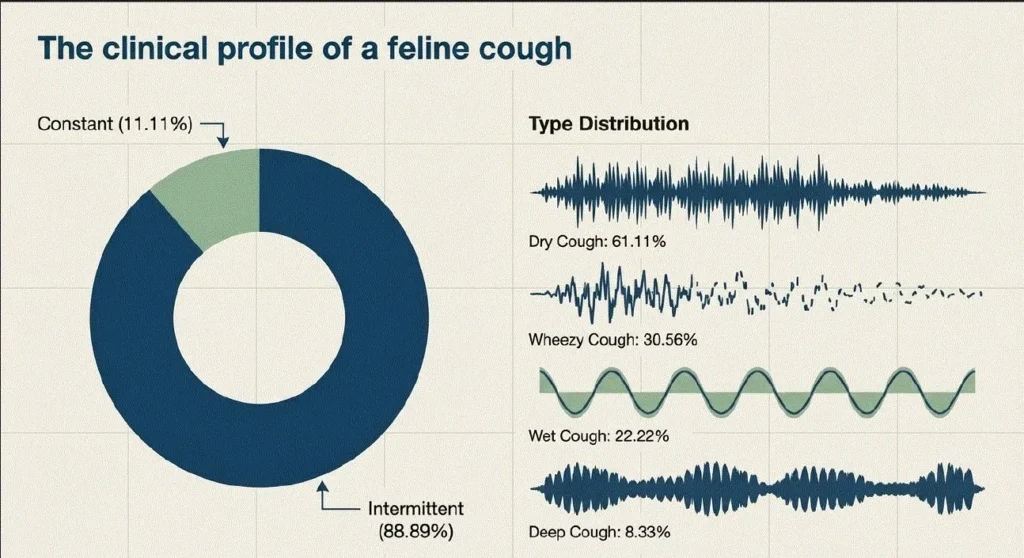
| Cough Type | Percentage in Cats |
| Dry Cough | 61.11% |
| Wet Cough | 22.22% |
| Wheezy Cough | 30.56% |
| Deep Cough | 8.33% |
Frequency of Cough Episodes
| Type of Coughing | Occurrence |
| Intermittent | 88.89% |
| Constant | 11.11% |
Insight:
Most cats experience intermittent coughing, which can delay diagnosis.
Why Is My Cat Coughing Frequently? Warning Signs
If you’re still wondering why is my cat coughing frequently, watch for these red flags:
Difficulty breathing, Bluish gums, Lethargy, Loss of appetite, .Coughing blood
These symptoms require immediate veterinary attention.
How Veterinarians Diagnose Cat Coughing
To properly answer why is my cat coughing, vets may perform:
Physical examination, X-rays or imaging, Blood tests, Parasite screening.
Diagnosis is essential because coughing can have multiple overlapping causes.
Treatment Options for Why Is My Cat Coughing
Treatment depends entirely on the cause:
Common Treatments, Antibiotics (for infections), Steroids or inhalers (for asthma)
Antiparasitic medications, Environmental changes (reduce allergens)
In many cases, coughing can be effectively managed once diagnosed.
Home Care Tips for Mild Cases
If the coughing is mild and occasional:
Keep your home dust-free
Avoid smoke and strong fragrances
Use unscented cat litter
Maintain hydration
However, do not rely on home remedies if symptoms persist.
Final Thoughts: Why Is My Cat Coughing?
Understanding why is my cat coughing is crucial for every pet owner. While occasional coughing may not be alarming, frequent or severe coughing is often a sign of an underlying issue.
From harmless hairballs to serious conditions like asthma or heart disease, the causes vary widely. The key is early observation and timely veterinary care.
If in doubt, always consult your veterinarian because when it comes to your cat’s health, it’s better to be safe than sorry.
FAQs about Why Is My Cat Coughing
Why is my cat coughing even though it seems completely normal?
Mild coughing with normal behavior may be due to hairballs or minor irritation. However, persistent coughing still requires evaluation.
Why is my cat coughing like a hairball but nothing comes out?
This could indicate asthma or respiratory disease rather than a hairball.
How much coughing is considered too much for a cat?
Coughing more than once or twice a week for over 10 days should be checked by a vet.
Can indoor cats develop coughing issues?
Yes. Indoor cats can still develop asthma, allergies, or infections.
When should I worry about my cat coughing?
Seek immediate care if coughing is accompanied by breathing difficulty, lethargy, or blood.
Can allergies cause cat coughing?
Yes, allergens like dust, mold, and chemicals are common triggers.
Is cat coughing always serious?
Not always. Some cases (like hairballs) are harmless, but others may indicate serious disease.