Causes, Red Flags, and Treatment
Hearing your cat cough once is easy to dismiss. But when your cat is coughing and wheezing together, it’s a different story entirely wheezing is never a normal sound, and it means your cat’s airways are struggling to move air properly.
If you’ve been searching “why is my cat coughing and wheezing,” you’re likely watching your pet closely, trying to figure out if this is a passing irritation or something that needs urgent care.
This guide breaks down exactly why is my cat coughing and wheezing, what the combination usually points to, how vets diagnose it, and the treatment path your cat may need to breathe easier again.
“Wheezing in cats isn’t normal it means your cat is struggling to breathe and needs veterinary attention.” Chewy Pet Health
What Does It Mean Why is my Cat Coughing and Wheezing Together?
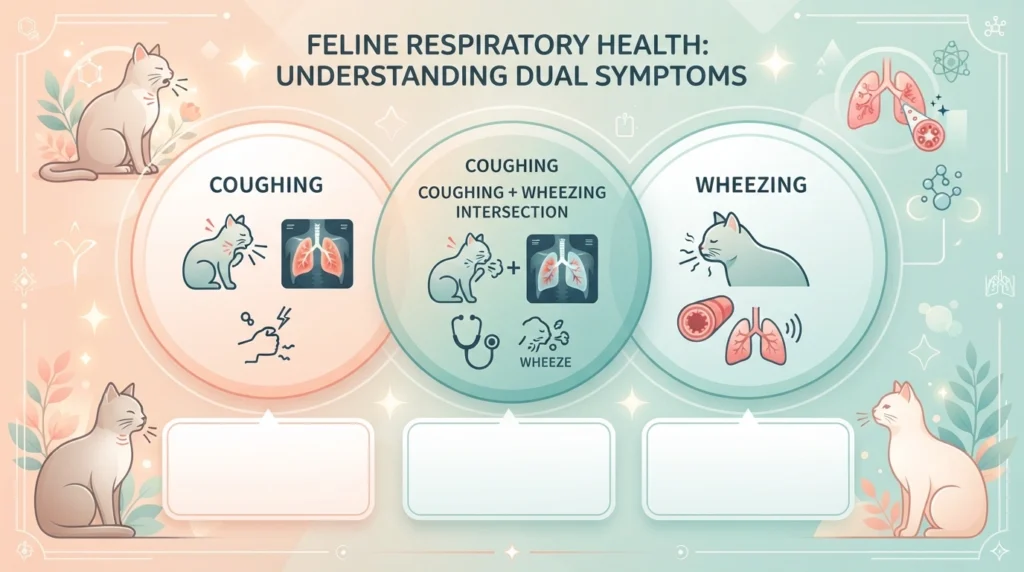
A cough clears irritation from the airway. Wheezing is a high-pitched whistling sound produced when air is forced through airways that have narrowed or become partially blocked.
When these two symptoms show up together, it almost always signals inflammation somewhere in the lower respiratory tract the bronchi or the lungs themselves rather than a simple throat tickle.
In a healthy cat, breathing is quiet. So if your cat is coughing and wheezing at the same time, the airways are already compromised enough to change the sound of normal airflow. That’s the main reason vets treat this combination more seriously than an isolated cough.
Why Is My Cat Coughing and Wheezing? Top Causes
There are a handful of conditions that explain why is my cat coughing and wheezing, ranging from manageable to medically urgent. Here are the most common ones veterinarians investigate first.
Feline Asthma
Feline asthma is one of the leading answers to why is my cat coughing and wheezing. It’s an allergic reaction to inhaled triggers like dust, pollen, smoke, perfume, or scented litter that causes the lower airways to swell and constrict. why is my cat coughing and wheezing
During a flare-up, cats may wheeze, cough, breathe rapidly, or crouch low with their neck stretched forward a posture vets call the “asthma stance.”
Chronic Bronchitis
Bronchitis involves ongoing inflammation of the airway lining, often overlapping with asthma. The most common signs of bronchitis in cats include constant, cyclic, or seasonal coughing along with difficulty breathing or wheezing.
Cats with chronic bronchitis can go weeks looking normal, then suddenly have a flare-up triggered by weather changes or airborne irritants.
Respiratory Infections
Viral, bacterial, or fungal infections can inflame the airways enough to cause both coughing and wheezing, and if left untreated, some infections can progress toward pneumonia. Kittens and cats in multi-cat households are especially prone to this cause.
Heartworm and Lungworm Parasites
Parasites are an often-overlooked reason a cat is coughing and wheezing. Heartworms and lungworms can irritate the lungs and airways, leading to inflammation and the same respiratory symptoms seen with asthma which is exactly why testing matters before starting treatment blindly.
Inhaled Foreign Objects
A blade of grass, string, or small object lodged partway down the airway can produce sudden coughing paired with a wheeze on exhale. This typically comes on abruptly, often during or right after play.
Heart Disease
In middle-aged and senior cats, an enlarged heart or fluid buildup around the lungs can compress the airway and produce both a cough and a wheeze, usually alongside fatigue or reduced appetite. This is one reason vets always check the heart before assuming asthma.
Cat Coughing and Wheezing: Warning Signs That Need Immediate Care
Knowing why is my cat coughing and wheezing matters, but recognizing an emergency matters more. Contact your vet immediately if you notice any of these signs:
- Open-mouth breathing or panting at rest
- Blue-tinged or pale gums
- Chest moving rapidly or with visible effort
- Collapse, extreme weakness, or unresponsiveness
- Wheezing that gets louder or more frequent within a day
- A cough lasting longer than a week without improvement
Asthma attacks can be life-threatening, so if you notice these signs alongside coughing and wheezing, contact your veterinary team urgently rather than waiting for an appointment slot.
How Vets Diagnose Why a Cat Is Coughing and Wheezing
Because coughing and wheezing overlap across so many conditions, diagnosis is rarely a single test. A typical workup includes:
- A physical exam with a stethoscope to listen for abnormal lung and heart sounds
- Chest X-rays to check for airway thickening, fluid, or masses
- Heartworm antigen and antibody testing
- A fecal exam to rule out lungworms and other parasites
- Bloodwork to screen for infection or organ involvement
- Bronchoscopy or airway lavage in more complex or non-responsive cases, where a vet examines the airway directly and collects a mucus sample for analysis
Recording a short video of an episode before your appointment can help your vet distinguish true coughing and wheezing from a hairball attempt, since the two can look surprisingly similar to an untrained eye. why is my cat coughing and wheezing
Treatment Options When a Cat Is Coughing and Wheezing
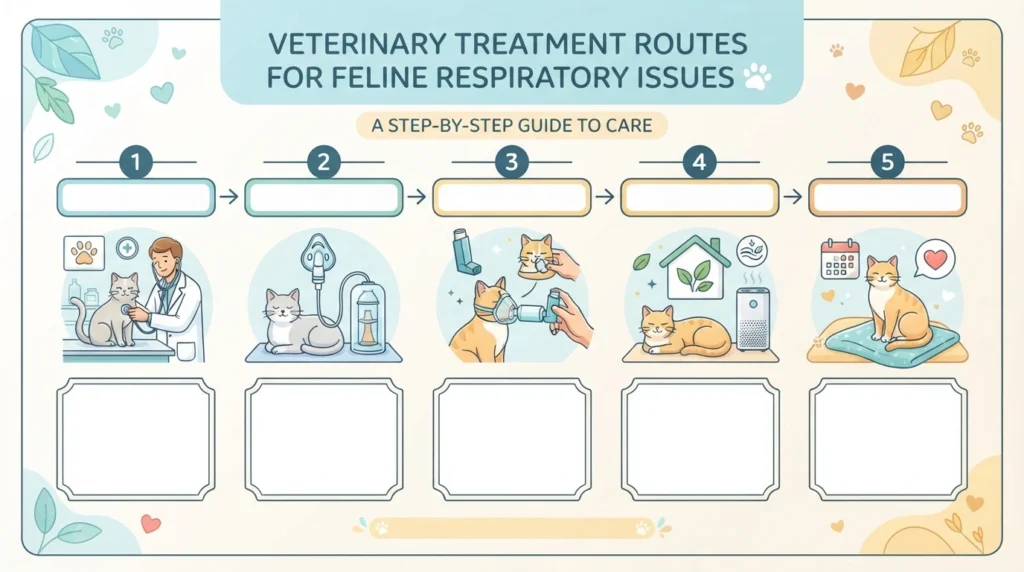
Treatment depends entirely on the underlying cause identified during diagnosis:
- Corticosteroids (oral or inhaled) to reduce airway inflammation in asthma and bronchitis
- Bronchodilators to relax constricted airway muscles and ease breathing
- Antibiotics if a bacterial infection is confirmed
- Deworming or heartworm-specific treatment for parasite-related cases
- Endoscopic removal for a lodged foreign object
- Diuretics and cardiac medication if heart disease is the underlying driver
Inhaled treatment using a specially designed pet aerosol chamber has become a preferred long-term option for feline asthma and bronchitis, since it delivers medication directly to the lungs with fewer systemic side effects than oral steroids. why is my cat coughing and wheezing
Living With a Cat That Coughs and Wheezes Chronically
Some cats manage chronic bronchitis or mild asthma for years with the right routine. Reducing airborne triggers, switching to low-dust litter, and keeping the home free of smoke or heavy fragrance all help minimize flare-ups.
Regular veterinary rechecks also allow medication doses to be adjusted as the condition changes over time, rather than waiting for symptoms to worsen before acting.
FAQs About Cats Coughing and Wheezing
Why is my cat coughing and wheezing but still eating normally?
Cats with asthma or chronic bronchitis often maintain a normal appetite even during flare-ups, since these conditions rarely cause fever or digestive upset. A normal appetite doesn’t rule out a respiratory problem, so the symptom should still be checked.
Is wheezing in cats always an emergency?
Not every instance requires an emergency room visit, but wheezing itself is never considered normal and should prompt a veterinary appointment. It becomes an emergency when paired with open-mouth breathing, blue gums, or collapse.
Can indoor cats get heartworms that cause coughing and wheezing?
Yes. A single mosquito bite is enough to introduce heartworm larvae, so strictly indoor cats are not automatically protected from this cause of respiratory symptoms. why is my cat coughing and wheezing
How can I tell if my cat is wheezing or just purring loudly?
Wheezing is typically a higher-pitched, strained sound most noticeable when the cat inhales or exhales with effort, while purring is a steady, low vibration that doesn’t change with breathing effort or activity level.
Does age affect why a cat is coughing and wheezing?
Yes. Young cats are more prone to infections, cats around 4 to 9 years old are most often diagnosed with asthma or bronchitis, and older cats are more likely to have heart-related causes behind coughing and wheezing.
Can stress trigger coughing and wheezing in cats?
Stress can worsen asthma flare-ups and reactivate dormant respiratory viruses, both of which can lead to episodes of coughing and wheezing even without a new environmental trigger. why is my cat coughing and wheezing
Conclusion
If you’ve been asking why is my cat coughing and wheezing, the honest answer is that it depends on what’s happening deeper in the airway and that’s not something to guess at home.
Asthma, bronchitis, infections, parasites, and even heart disease can all produce this exact combination of symptoms, which is why a proper veterinary workup matters more than trial-and-error home remedies. The sooner the underlying cause is identified, the sooner your cat can get back to breathing quietly and comfortably. why is my cat coughing and wheezing
References
- Chewy Pet Health – Why Is My Cat Wheezing?
- Blue Pearl Pet Hospital – Cat Asthma (Feline Bronchitis)
- Pet MD – Bronchitis in Cats: Signs and When To Call Your Vets
- Merck Veterinary Manual – Tracheobronchitis (Bronchitis, Bronchial Asthma) in Cats
- International Cat Care – Asthma and Chronic Bronchitis in Cats
- Cornell University College of Veterinary Medicine, Cornell Feline Health Center – Feline Asthma: What You Need To Know
- VCA Animal Hospitals – Asthma and Bronchitis in Cats
- VCA Animal Hospitals – Treatment Instructions for Asthma and Bronchitis in Cats