If you have spotted white flakes scattered through your cat’s fur, you are probably asking yourself, “why does my cat have dandruff?” It is a common concern, and the good news is that most cases are highly treatable once you identify the root cause. This guide breaks down the difference between harmless dry skin and medical problems that need a vet’s attention, then walks you through practical fixes you can start today.
Quick Answer: Cat dandruff is usually caused by dry air, poor grooming, obesity, or a diet low in omega-3 fatty acids. However, it can also signal parasites like Cheyletiella mites, fungal infections, or underlying diseases such as diabetes or hyperthyroidism. A vet visit is the safest first step if the flakes are heavy, itchy, or accompanied by other symptoms.
Understanding Cat Dandruff vs. Dander
Before you panic, it helps to know what you are actually looking at. Many cat owners confuse dandruff with normal dander, but they are not the same thing.
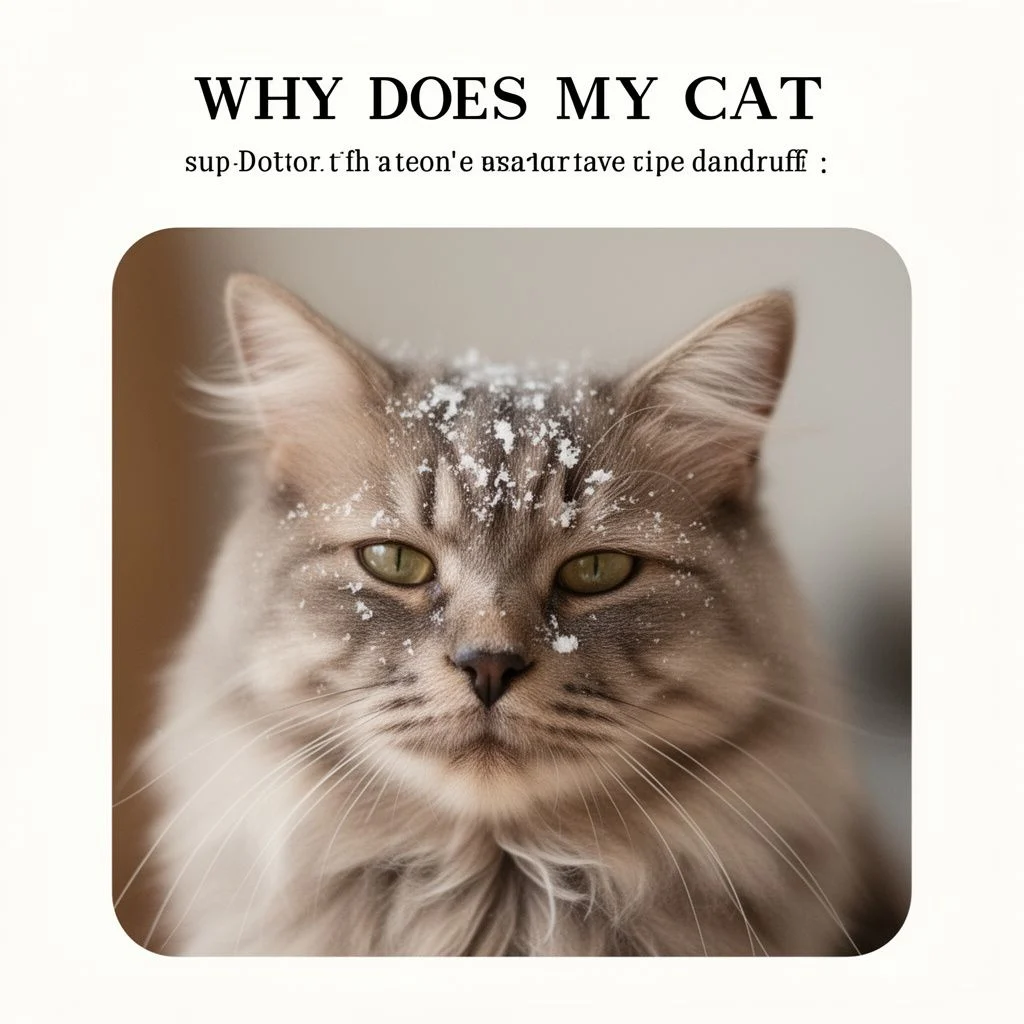
Dander is microscopic skin cells that every cat sheds naturally. You cannot usually see individual dander particles with the naked eye, though you might notice them on dark furniture. Dandruff, on the other hand, refers to larger, visible white or grayish flakes that cling to the fur or fall onto your cat’s bedding. These flakes are clusters of dead skin cells that have built up because the skin is either too dry, too oily, or inflamed.
A small amount of flaking in the winter months is often just a reaction to indoor heating. But if you are seeing a dusting of flakes every time you pet your cat, or if the skin underneath looks red, scabby, or greasy, that points to something more specific.
Pro Tip: Run a flea comb through your cat’s fur over a dark surface. If the “dandruff” moves, you are dealing with Cheyletiella mites, often called “walking dandruff,” not dry skin.
The Most Common Reasons Cats Get Dandruff
Finding the exact trigger is the key to fixing the problem for good. Here are the usual suspects, ranked roughly from most common to least common.
Low Humidity and Dry Air
Indoor heating in winter and air conditioning in summer both strip moisture from the air. Cats that spend most of their time indoors are especially prone to dry, flaky skin during these months. The flakes tend to be small, white, and scattered across the back and flanks. Your cat may scratch slightly more than usual, but the skin itself looks normal, not red or inflamed.
Poor Grooming Habits
Cats are fastidious groomers, but certain cats struggle to reach their entire body. Overweight cats often cannot reach their lower back and the base of their tail, which is exactly where you will see a buildup of dead skin and oily flakes. Senior cats with arthritis may also groom less effectively due to joint pain. Long-haired cats sometimes develop matted patches that trap dead skin cells underneath.
Dietary Imbalances
A diet that is low in omega-3 fatty acids can leave your cat’s skin dry and dull. Omega-3s, found in fish oil and some commercial cat foods, help regulate skin cell turnover and reduce inflammation. Cats eating a low-quality diet that relies heavily on fillers may not be getting enough of these essential fats. You might also notice a dull, brittle coat alongside the flakes.
Parasites and Fungal Infections
This is where dandruff stops being a cosmetic issue and becomes a medical one.
Cheyletiella mites are a type of mite that lives on the skin surface and causes heavy flaking, especially along the back. The flakes often appear to move, which is why this condition is nicknamed “walking dandruff.” It is contagious to other pets and, in rare cases, to humans.
Ringworm, despite the name, is a fungal infection, not a worm. It causes circular patches of hair loss with scaly, flaky skin at the edges. Ringworm is highly contagious and requires prescription antifungal treatment.
Underlying Medical Conditions
Sometimes dandruff is a symptom of a larger health problem. Hyperthyroidism, common in older cats, speeds up metabolism and can lead to poor coat quality and flaky skin. Diabetes affects circulation and skin health. Allergies to food, pollen, or flea bites can cause inflammation that leads to excessive skin cell turnover and flaking.
| Cause | Typical Appearance | Other Signs | Vet Visit Needed? |
|---|---|---|---|
| Dry air | Small white flakes, no redness | Slight scratching | Usually not, try home fixes first |
| Poor grooming / obesity | Flakes on lower back and tail base | Greasy coat, mats | Only if weight management is needed |
| Omega-3 deficiency | Dull coat with fine flakes | Dry, brittle fur | Not immediately, diet change can help |
| Cheyletiella mites | Heavy flakes along the back, “moving” dandruff | Itching, crusting | Yes, prescription medication required |
| Ringworm | Circular bald patches with scaly edges | Hair loss, redness | Yes, contagious and needs antifungals |
| Hyperthyroidism / diabetes | Widespread flaking with other symptoms | Weight loss, increased thirst, appetite changes | Yes, bloodwork needed |
Each of these causes requires a slightly different approach, which is why guessing wrong can waste weeks of effort and money on the wrong treatment.
Pro Tip: Take a photo of your cat’s flakes and any affected skin areas before your vet appointment. Flakes can be easier to see in bright natural light, and a photo helps your vet track changes over time.
How to Get Rid of Cat Dandruff at Home
If your cat is otherwise healthy and the flakes are mild, start with these home remedies. Give each one at least two to three weeks to show results before moving on to the next.
1. Add Omega-3 Fatty Acids to the Diet
The single most effective home remedy for dry, flaky skin is adding a high-quality fish oil supplement. Look for a product made specifically for cats, as human fish oil often contains additives that are not safe for felines. Salmon oil and krill oil are both good options. Start with a small dose and increase gradually to avoid digestive upset.
2. Switch to a Higher-Quality Food
Look for a cat food that lists a named animal protein as the first ingredient and includes a source of omega-3s, such as fish meal or flaxseed. Wet food is also helpful for skin hydration, since many cats do not drink enough water on their own. A moisture-rich diet supports skin health from the inside out.
3. Use a Humidifier
If your home gets dry in winter, running a humidifier in the room where your cat sleeps can make a noticeable difference within a week or two. Aim for indoor humidity between 30 and 50 percent. This is also good for your own skin and sinuses.
4. Brush Your Cat Regularly
Daily brushing removes dead skin cells before they can accumulate into visible flakes. It also stimulates blood flow to the skin and distributes natural oils through the coat. Use a soft bristle brush for short-haired cats and a slicker brush or comb for long-haired breeds. Brushing is especially important for overweight or senior cats who cannot groom themselves effectively.
5. Try a Cat-Safe Moisturizing Shampoo
Most cats do not need regular baths, but if your cat tolerates water, a monthly bath with an oatmeal-based or aloe-based cat shampoo can soothe dry skin and wash away flakes. Never use human shampoo, which has a different pH and can strip your cat’s skin of its natural oils, making the problem worse.
Pro Tip: If your cat hates baths, try a waterless cat shampoo or grooming wipes with oatmeal or aloe. They are less effective than a full bath but still help remove flakes and moisturize the skin surface.
When to See a Veterinarian
Home remedies are appropriate for mild, seasonal dandruff in an otherwise healthy cat. But certain signs mean you should skip the DIY approach and book a vet appointment right away.
See a vet within a few days if you notice any of the following:
- Heavy flaking that covers most of the body
- Red, inflamed, or scabby skin underneath the flakes
- Hair loss, especially in circular patches
- Your cat is scratching, licking, or biting at the skin constantly
- Weight loss, increased thirst, or changes in appetite
- The flakes appear to be moving
- You have other pets or family members who are also itchy
Your vet will likely start with a physical exam and a skin scraping or tape test to check for mites, yeast, or bacteria. If an underlying disease is suspected, bloodwork can check thyroid hormone levels, blood sugar, and organ function. Treatment depends entirely on what the vet finds. Cheyletiella mites require prescription antiparasitic medication. Ringworm needs topical and sometimes oral antifungals. Hyperthyroidism is managed with medication, diet, or radioiodine therapy.
Dandruff that does not improve after four to six weeks of home treatment is another reason to get a professional opinion. Persistent flakes are often a sign that the real problem is something you cannot see from the outside.
Pro Tip: Bring a list of everything you have already tried at home, including diet changes, supplements, and grooming products. This saves your vet time and prevents you from paying for advice you have already followed.
Key Takeaways
- Cat dandruff is visible flakes of dead skin, not to be confused with normal microscopic dander that all cats shed.
- The most common causes are dry indoor air, poor grooming due to obesity or arthritis, and low omega-3 intake.
- Parasites like Cheyletiella mites and fungal infections like ringworm cause more severe flaking and need prescription treatment.
- Underlying diseases such as hyperthyroidism and diabetes can show up first as poor coat quality and flaky skin, especially in older cats.
- Start with home fixes like fish oil, better food, humidifiers, and regular brushing, but see a vet promptly if flakes are heavy, itchy, or paired with other symptoms.
Frequently Asked Questions About Cat Dandruff
Q: Is cat dandruff normal?
A: A few flakes now and then, especially in winter, can be normal. But consistent, visible flaking is not normal and usually points to dry air, diet issues, grooming problems, or an underlying health condition that deserves attention.
Q: Can I use human dandruff shampoo on my cat?
A: No. Human dandruff shampoos often contain ingredients like zinc pyrithione or salicylic acid that are toxic or irritating to cats. Always use a shampoo formulated specifically for felines, and rinse thoroughly.
Q: Does brushing help cat dandruff?
A: Yes, regular brushing is one of the most effective home remedies. It removes dead skin cells, distributes natural oils, and stimulates blood flow to the skin. Daily brushing is ideal, especially for overweight or senior cats.
Q: Can diet cause cat dandruff?
A: Yes. A diet low in omega-3 fatty acids can lead to dry, flaky skin and a dull coat. Adding a cat-safe fish oil supplement or switching to a higher-quality food with named protein sources and omega-3s often improves skin condition within a few weeks.
Q: What is walking dandruff in cats?
A: Walking dandruff is a nickname for Cheyletiella mites, a type of skin parasite that causes heavy flaking along the back. The flakes may appear to move because the mites are crawling underneath them. It requires prescription antiparasitic treatment and is contagious to other pets.
Q: Can stress cause dandruff in cats?
A: Stress itself does not directly cause dandruff, but stressed cats often groom less or overgroom, both of which can lead to skin problems. Overgrooming can cause bald patches and irritation, while under-grooming allows dead skin cells to build up into visible flakes.
Q: How long does it take to get rid of cat dandruff?
A: For mild cases caused by dry air or diet, you may see improvement within two to three weeks of starting home treatment. Cases caused by parasites, fungal infections, or underlying diseases take longer and depend on how quickly the underlying condition responds to treatment.
Q: Is cat dandruff contagious to humans?
A: Most cat dandruff is not contagious. The exception is Cheyletiella mites, which can cause a temporary itchy rash in humans, and ringworm, which is a fungal infection that can spread to people. Both require veterinary treatment to eliminate the source.
Q: Can fleas cause dandruff in cats?
A: Fleas themselves do not cause dandruff, but flea allergy dermatitis, an allergic reaction to flea saliva, can cause severe skin inflammation, itching, and flaking. Treating the fleas and the secondary skin irritation is necessary to resolve the flakes.
Q: Should I bathe my cat to remove dandruff?
A: A bath with a cat-safe moisturizing shampoo can help remove flakes and soothe dry skin, but bathing too often can strip natural oils and make dandruff worse. A monthly bath is usually sufficient, and many cats do better with waterless grooming products instead.
References & Further Reading
—
About This Article: This guide was written based on established veterinary dermatology principles and current clinical guidance from the sources listed above. While it provides general information, it is not a substitute for an in-person examination by a licensed veterinarian. Every cat is different, and treatment should always be tailored to your pet’s specific diagnosis and health history.