Cat sitting is one of those things that sounds simple until you are handing your house keys to a stranger and hoping your cat does not stage a protest by knocking every plant off the windowsill. The good news is that a little planning turns a stressful handoff into a routine your cat barely notices. This guide walks you through everything: what cat sitting actually involves, how to choose between a professional sitter and a neighbor, what questions to ask, what it costs, and how to set up your home so the whole thing goes smoothly.
Quick Answer: Cat sitting means hiring someone to visit your home, feed your cat, scoop the litter box, and spend a bit of time with your cat while you travel. Most cat owners pay between $15 and $30 per 20 to 30 minute visit, and a good sitter will send daily photo updates so you know your cat is eating, using the box, and acting normal.
What Cat Sitting Actually Involves
You might think cat sitting is just opening a can of food and leaving. A good cat sitter does more than that, and knowing the difference is what separates a stressed cat from a content one.
A standard cat sitting visit typically includes:
- Feeding on your cat’s normal schedule, including wet food, dry food, or medication if needed
- Fresh water every visit, not just topping off a bowl that has been sitting for two days
- Litter box scooping so your cat does not start finding alternative bathroom spots
- Playtime or brushing, which matters more than many people realize for a cat’s stress level
- A quick health check: eyes, nose, appetite, energy level, and litter box output
- Home security basics: bringing in mail, adjusting lights, watering a plant or two
The playtime part is not a luxury. Cats are territorial and routine-driven. A sitter who spends 10 minutes with a wand toy is not just entertaining your cat. They are giving your cat a reason to associate your absence with something positive. That association is the difference between a cat who greets you at the door and one who hides under the bed for three days after you return.
Pro Tip: Ask any potential sitter how long each visit lasts, not just how much they charge. A $12 visit that lasts 10 minutes is often worse value than a $25 visit that lasts 30 minutes, because your cat gets less interaction and potential health issues get less attention.
The bottom line: cat sitting is about maintaining your cat’s routine, not just keeping it alive. Routine is the single biggest factor in how well a cat copes with your absence.
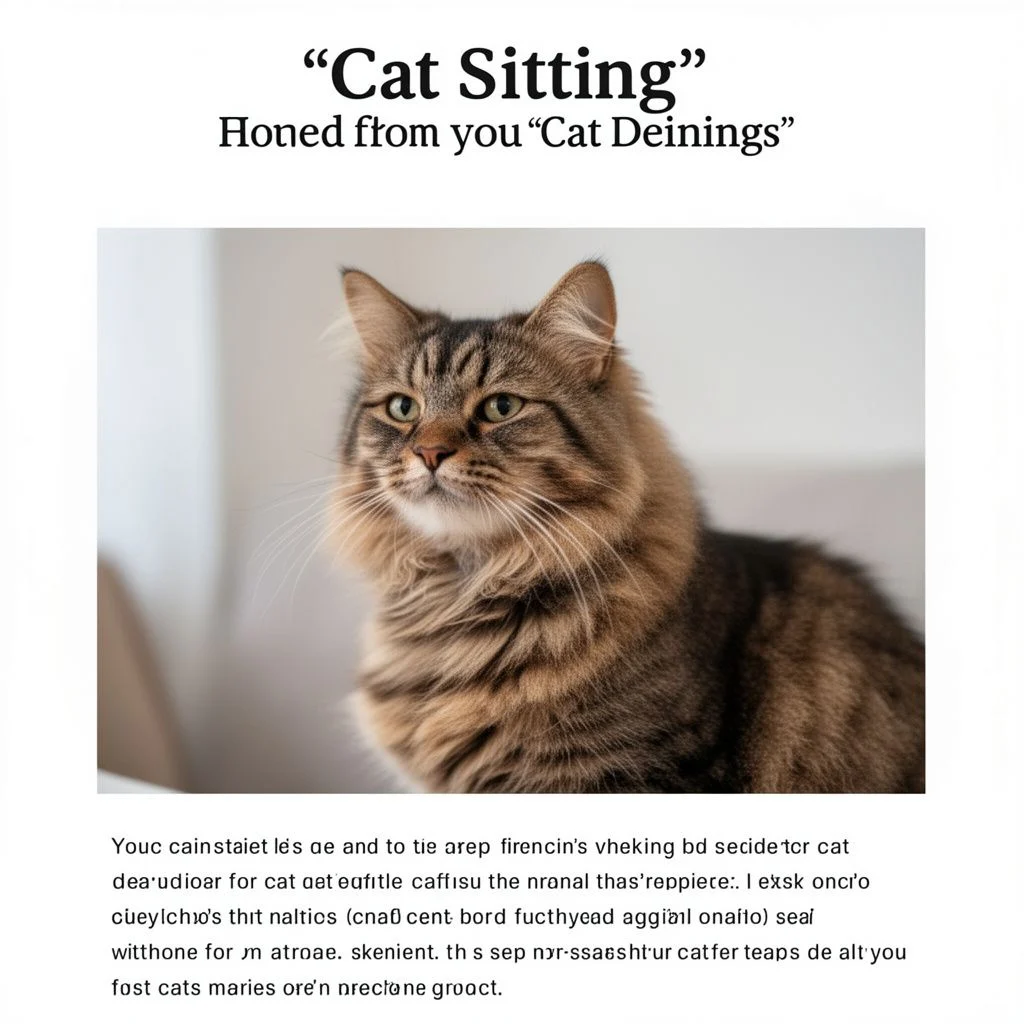
In-Home Cat Sitting vs. Boarding: A Real Comparison
When you start researching cat sitting, you will quickly run into the other main option: boarding your cat at a kennel or cattery. Both have their place, but for most cats, the choice is clearer than you might expect.
Most veterinarians and cat behaviorists agree that cats are territorial animals. Moving a cat to an unfamiliar environment with strange smells, other animals, and different routines triggers stress. That stress can show up as hiding, refusing to eat, or even stress-induced urinary issues. In-home cat sitting keeps your cat in its own territory, which is a massive advantage.
Here is a side-by-side look:
| Factor | In-Home Cat Sitting | Boarding Facility |
|---|---|---|
| Environment | Cat stays home, familiar smells and territory | Unfamiliar space, other animal smells and sounds |
| Stress level | Low to moderate | Moderate to high, especially for shy cats |
| Exposure to illness | None | Possible, even with vaccination requirements |
| Daily cost | $15 to $30 per visit | $25 to $60 per night |
| Social interaction | One-on-one with sitter | Staff interaction varies, often less individual time |
| Home security | Mail collected, lights adjusted, house looks lived-in | None |
| Medication needs | Usually handled by experienced sitters | Often handled, but check policies |
| Best for | Most cats, especially seniors, shy cats, multi-cat homes | Rare cases where home access is impossible |
Boarding is not automatically bad. Some facilities are excellent, and for a cat that is extremely social or a home that is undergoing renovations, it can be the right call. But for the typical cat owner, in-home cat sitting wins on nearly every measure that matters to the cat itself.
The takeaway here is simple: your cat does not need a vacation from home. It needs its home to feel safe while you are gone.
How to Find a Cat Sitter You Can Actually Trust
The hardest part of cat sitting is not the logistics. It is the trust. You are giving someone access to your home, your pet, and your private space. That deserves a real vetting process, not a quick text to whoever lives closest.
Here is a practical process that works:
- Start with people who already know your cat. A neighbor, a friend, a family member, or someone your cat has met before. Familiarity cuts stress for everyone involved.
- Check professional platforms if no one you know is available. Rover, Meowtel, and local pet sitting companies all offer sitters with reviews and background checks. Meowtel specifically focuses on cats, which can be a plus for owners who want a sitter with feline-specific experience.
- Ask for references and actually call them. This step gets skipped constantly. A five-minute phone call with a previous client tells you more than fifty online reviews.
- Do a meet and greet in your home. Watch how the sitter interacts with your cat. A good cat sitter does not rush up to your cat. They let the cat approach them. That body language tells you whether the person actually understands cats.
- Ask about their backup plan. What happens if they get sick or their car breaks down? Professional sitters have a network. Amateurs do not.
- Confirm insurance and bonding if using a company. Independent sitters may not carry insurance, which is a risk you need to weigh.
Pro Tip: If you use a pet sitting platform, read the sitter’s reviews specifically for mentions of cats, not just dogs. Dog sitting and cat sitting are different skill sets, and a sitter with fifty glowing dog reviews might have no idea how to read feline body language.
The goal of this process is not to be paranoid. It is to get to a place where you can leave for your trip without spending the first two days worrying about whether your cat is okay.
What Cat Sitting Costs and Why Prices Vary
Cat sitting rates are all over the map, and that is not just because some sitters charge more than others. Location, visit length, number of cats, and the sitter’s experience all play a role.
A realistic range for most areas in the United States:
- Hobby sitter or neighbor: $10 to $15 per visit
- Independent professional sitter: $18 to $25 per visit
- Pet sitting company or platform sitter: $20 to $30 per visit
- Holiday or peak season rates: often 25 to 50 percent higher
- Overnight stays: $60 to $100 per night, which includes the visit plus the sitter sleeping in your home
What drives the price up? Multiple cats, medication administration, long visits, and holiday bookings. What drives it down? A sitter who is also a friend, a short trip, or a sitter who is building their client base.
Many owners wonder whether they should just pay a neighbor’s kid $10 a day and call it done. That can work for a short weekend trip with a low-maintenance cat. But for longer trips, cats with health issues, or cats that hide from strangers, a professional is usually worth the extra money. A professional knows what a sick cat looks like, knows how to handle a cat that stops eating, and knows when to call a vet.
The cost conversation really comes down to this: you are not paying for someone to open a can. You are paying for someone to notice when something is wrong and to act on it.
Setting Up Your Home for a Smooth Cat Sitting Experience
Preparation is where cat sitting either goes smoothly or turns into a game of phone tag with your sitter while you are trying to enjoy your vacation. A little setup on your end prevents most problems before they start.
Before you leave, do these things:
- Write down your cat’s routine in detail. Feeding times, amounts, hiding spots, favorite toys, and any quirks like “only drinks from the bathroom faucet.” The sitter cannot read your mind.
- Leave vet information visible. Name, address, phone number, and your cat’s medical history in an obvious spot. Include a signed note authorizing the sitter to seek treatment if needed.
- Set out enough food, litter, and supplies. Do not expect the sitter to hunt through cabinets. Put everything in one place.
- Secure anything dangerous. Cords, toxic plants, plastic bags, and anything your cat might eat or knock over.
- Tell a neighbor the sitter is coming. This prevents awkward “who is that person in your house” calls to the police.
- Leave your contact information and itinerary. The sitter needs to know how to reach you and where you are in case of an emergency.
- Show the sitter where the water shutoff, fuse box, and cleaning supplies are. Not because something will go wrong, but because if it does, they need to know.
Pro Tip: Leave a small “emergency fund” with the sitter, either cash or a prepaid card, for unexpected expenses like running out of food or a last-minute vet visit. Fifty dollars solves most problems without you needing to wire money from a beach in another time zone.
The more you prepare, the less the sitter has to improvise. And improvisation is where mistakes happen.
How to Tell If Your Cat Had a Good Experience
You get home, your cat is alive, the house is intact. Does that mean the cat sitting went well? Not necessarily. Cats hide stress, and the signs of a rough week might not show up for a few days.
Here is what a good cat sitting experience looks like:
- Your cat greets you at the door or comes out within a few minutes
- Your cat eats normally within the first few hours
- The litter box has been consistently used, with no accidents outside the box
- Your cat’s coat looks normal, not greasy or unkempt from overgrooming
- Your cat returns to its normal routine within 24 hours
Here is what a stressful experience looks like:
- Your cat hides for more than a day
- Your cat overgrooms to the point of bald patches
- Your cat stops using the litter box
- Your cat vocalizes constantly or seems agitated
- Your cat is clingy in a way that seems anxious rather than affectionate
If you see the second list, do not panic. Some cats just need time to readjust. But take notes. If the same sitter produces the same stressed-out cat twice, that is a signal to try someone else.
The best feedback loop is the sitter’s daily updates. A good sitter sends photos, notes on appetite and litter box habits, and a sentence or two about how the cat seemed. That record tells you more about the experience than anything else.
Key Takeaways
- In-home cat sitting is usually better for cats than boarding, because cats are territorial and stress less in familiar environments
- A good cat sitter does more than feed: they play, scoop, check health, and maintain your cat’s routine
- Expect to pay $15 to $30 per visit, with higher rates for holidays, multiple cats, and medication needs
- Vet your sitter properly: meet in person, call references, and watch how they interact with your cat
- Prepare your home thoroughly before you leave, including vet info, supplies, and an emergency fund
- Judge the experience by your cat’s behavior after you return, not just by whether the cat survived
Frequently Asked Questions About Cat Sitting
Q: How often should a cat sitter visit per day?
A: For most healthy adult cats, one visit per day is the minimum, but two visits per day is better for cats that eat wet food, need medication, or get lonely. Kittens, senior cats, and cats with health conditions may need two or more visits daily. If you are gone for more than a weekend, aim for two visits a day to keep the litter box clean and give your cat enough social interaction.
Q: Is it better to have a cat sitter or take my cat to a boarding facility?
A: For the vast majority of cats, a cat sitter in your home is the better option. Cats are territorial animals, and being moved to an unfamiliar environment with strange smells and other animals causes significant stress. In-home cat sitting keeps your cat in its own territory, which usually means better appetite, normal litter box habits, and a calmer cat overall.
Q: How much should I pay a friend for cat sitting?
A: For a friend or neighbor doing a favor, $10 to $15 per visit is a common range, or a flat amount like $75 to $100 for a week with one visit per day. If the friend is going out of their way, doing multiple visits, or handling medication, pay closer to professional rates. A thoughtful gift from your trip on top of the payment is a nice touch.
Q: Do cat sitters need to be insured and bonded?
A: Professional cat sitters through companies or platforms are typically insured and sometimes bonded. Independent sitters may not be. Insurance covers accidents in your home, like a broken item or a pet injury. Bonding covers theft. For a trusted friend or neighbor, this matters less. For a hired professional, ask about both before you book.
Q: What should I leave for my cat sitter?
A: Leave a written instruction sheet with feeding amounts and times, your vet’s contact information, your itinerary, a signed medical authorization note, enough food and litter for the entire trip plus a few extra days, and an emergency fund of $50 to $100. Put everything in one visible location so the sitter does not have to search.
Q: How do I know if my cat sitter actually visited?
A: Ask for a daily photo or video update. Most professional sitters do this automatically. You can also use a smart home camera pointed at the food bowl or entryway, but if you do, tell the sitter about it. Secretly recording someone in your home is a trust violation that will end the relationship. Daily updates with photos are the standard, non-invasive way to confirm visits.
Q: Can a cat sitter give my cat medication?
A: Many professional cat sitters are experienced with giving oral medications, insulin injections, and subcutaneous fluids. Always disclose medication needs upfront and ask about the sitter’s experience. Watch them administer the medication during the meet and greet if possible. Some sitters charge extra for medication administration, so clarify that before booking.
Q: What if my cat hides from the sitter the whole time?
A: Hiding is normal, especially for shy cats or during the first few visits. A good sitter will not force interaction. They will sit quietly in the room, talk softly, and let the cat come out on its own terms. The sitter should still check on the cat visually each visit, even if that means peeking under the bed. If your cat hides for the entire trip but is eating and using the litter box, that is a successful outcome for a shy cat.
References & Further Reading
- American Veterinary Medical Association: Pet Care While Traveling
- Cornell Feline Health Center: Environmental Enrichment for Indoor Cats
- The Humane Society of the United States: Choosing a Pet Sitter
- American Society for the Prevention of Cruelty to Animals: Separation Anxiety in Cats
—
About This Article
This guide draws on established veterinary guidance on feline stress and territorial behavior, current market rates for pet sitting services across the United States, and standard practices used by professional pet sitting organizations. The recommendations here reflect what working cat sitters and feline-focused veterinarians consistently advise, not a single anecdotal experience. If your cat has specific medical or behavioral needs, consult your veterinarian before arranging any care plan.